
Quick Read
- Lucy Letby’s legal team is seeking a retrial, submitting 31 expert reports to the Criminal Cases Review Commission (CCRC).
- Letby was convicted in 2023 of murdering seven infants and attempting to murder seven others at the Countess of Chester Hospital.
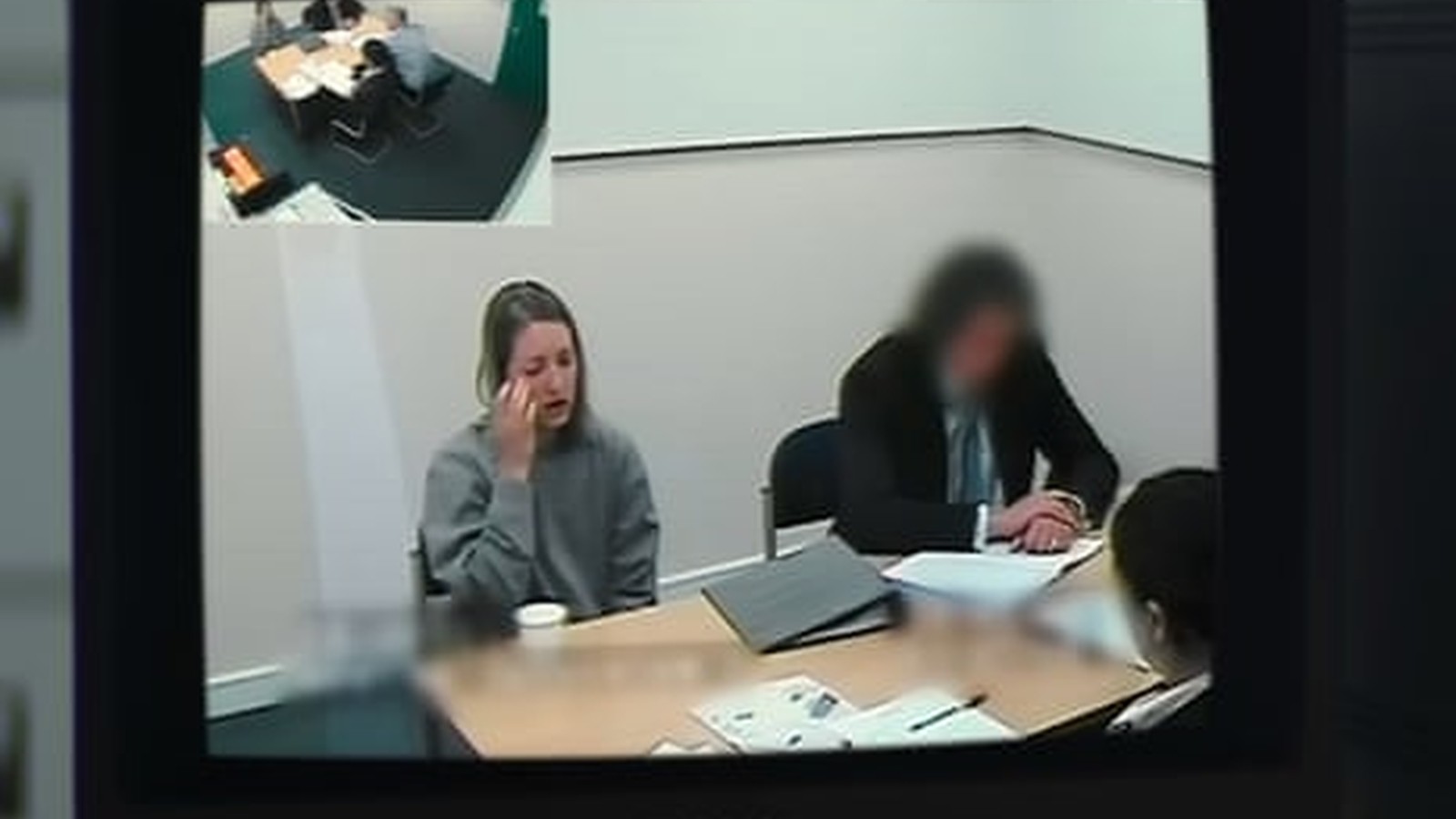
- A new Netflix documentary, ‘The Investigation of Lucy Letby,’ featuring new footage and interviews, premiered on February 4, 2026.
- A hospital consultant, Dr. John Gibbs, expressed a “tiny, tiny, tiny guilt” about a potential miscarriage of justice in the documentary.
- Letby’s previous two appeals against her convictions were rejected in July and October 2024.
MANCHESTER (Azat TV) – The legal battle surrounding convicted child killer Lucy Letby has intensified with her legal team’s continued push for a retrial, despite two failed appeals. This renewed effort coincides with the release of a new Netflix documentary, ‘The Investigation of Lucy Letby,’ which premiered on February 4, 2026, bringing fresh scrutiny to her convictions for murdering seven infants and attempting to murder seven others at the Countess of Chester Hospital.
Letby, 36, is currently serving 15 whole life orders for her crimes committed between June 2015 and June 2016. Her barrister, Mark McDonald, and a panel of international medical experts are challenging the convictions, submitting 31 reports from 26 experts to the Criminal Cases Review Commission (CCRC). These experts claim they found “no medical evidence” to support Letby’s crimes, instead suggesting that poor medical care and natural causes led to the babies’ deaths. They identified issues such as inadequate staff, poor resuscitation skills, and misdiagnoses at the hospital during the relevant period.
Renewed Push for Lucy Letby Retrial
The campaign for a retrial gained momentum in February 2025 when the CCRC, an independent body investigating potential miscarriages of justice, confirmed it had received an application on Letby’s behalf. McDonald emphasized that “Lucy Letby has always maintained her innocence – she has never hurt a child and never would,” urging the CCRC to refer the case back to the Court of Appeal as a matter of urgency. He also pointed to a January decision by the Crown Prosecution Service (CPS) to dismiss 11 new charges against Letby related to nine babies, citing that the “evidential test was not met,” as further grounds for appeal.
The CCRC’s process is thorough, requiring new evidence or arguments that suggest a “real possibility” of a conviction being overturned. The commission stated it is not its role to determine guilt or innocence but to assess if a case warrants referral to the appellate courts. Given the significant volume of complex evidence presented during Letby’s original trials, the review process is expected to be extensive.
New Netflix Documentary Sparks Debate
The Netflix documentary, ‘The Investigation of Lucy Letby,’ has reignited public debate by featuring never-before-seen footage of Letby’s arrests and interrogation, as well as new materials like an email she sent to police and her personal diary entries. The film also includes emotional accounts from victims’ parents and interviews with the British police who investigated the case. Notably, it reveals a “tiny, tiny, tiny guilt” expressed by Dr. John Gibbs, a consultant from the Countess of Chester Hospital who was instrumental in bringing Letby to the attention of authorities. Dr. Gibbs, while stating he doesn’t believe there was a miscarriage of justice, admitted to worrying “just in case: a miscarriage of justice… You worry that no one actually saw her do it.”
The documentary also explores the contentious Post-it notes found in Letby’s home, which included phrases like “I am evil, I did this” alongside “I haven’t done anything wrong” and “I feel very alone and scared.” Letby stated in her police interview that these notes were a product of her fear that she “might have hurt them without knowing” and feelings of being scapegoated amid systemic failures at the unit.
Conflicting Expert Opinions and Hospital Inquiry
The claims made by Letby’s defense experts directly contradict the prosecution’s case, which relied heavily on the testimony of retired paediatrician Dr. Dewi Evans. Dr. Evans’s initial diagnoses, which suggested deliberate harm where previous reviews found none, formed a crucial part of the police investigation. Detective Superintendent Paul Hughes, who led the investigation, expressed no doubts over the convictions in the documentary, maintaining the police’s confidence in the evidence. Cheshire Constabulary reiterated its confidence, stating the decision to dismiss new charges does not undermine Letby’s existing convictions and has no impact on Operation Duet, the ongoing investigation into corporate and gross negligence manslaughter at the hospital.
Meanwhile, Lady Justice Thirlwall’s inquiry report into how Letby was able to commit her crimes on a hospital neonatal unit is due to be published later this year, promising further insights into the systemic issues at play.
Victims’ Families Face Ongoing Trauma
The ongoing legal challenges and renewed media attention continue to inflict pain on the families of Letby’s victims. The mother of one of the babies, identified by the pseudonym “Sarah” in the documentary (her daughter as “Baby D” in court and “Zoe” by filmmakers), shared her profound grief and the feeling of having “failed as a mum” for not being able to protect her daughter. Sarah recounted the traumatic experience of her baby’s sudden collapse and death, and her resolve to face Letby in court during the trial. She expressed the enduring sorrow but also the hope and love for her daughter, stating, “There’s no getting over any of this.” Attempts to exonerate Letby have been called “disrespectful” and “very upsetting” by some victims’ parents.
The confluence of a determined legal defense, a critical CCRC review, and a high-profile documentary ensures the Lucy Letby case remains a potent symbol of the complexities inherent in seeking justice, particularly when medical evidence is contested and public opinion is deeply divided. The CCRC’s forthcoming decision and the Thirlwall inquiry report will be pivotal in shaping the future trajectory of this deeply troubling case.