
Quick Read
- Luigi Mangione’s defense accuses Manhattan prosecutors of illegally accessing his medical records.
- The records were obtained via a subpoena that allegedly bypassed court oversight.
- Prosecutors claim the records were sent in error and deleted immediately upon discovery.
- The case could have major implications for privacy laws and prosecutorial conduct.
- Mangione faces murder charges for killing UnitedHealthcare CEO Brian Thompson.
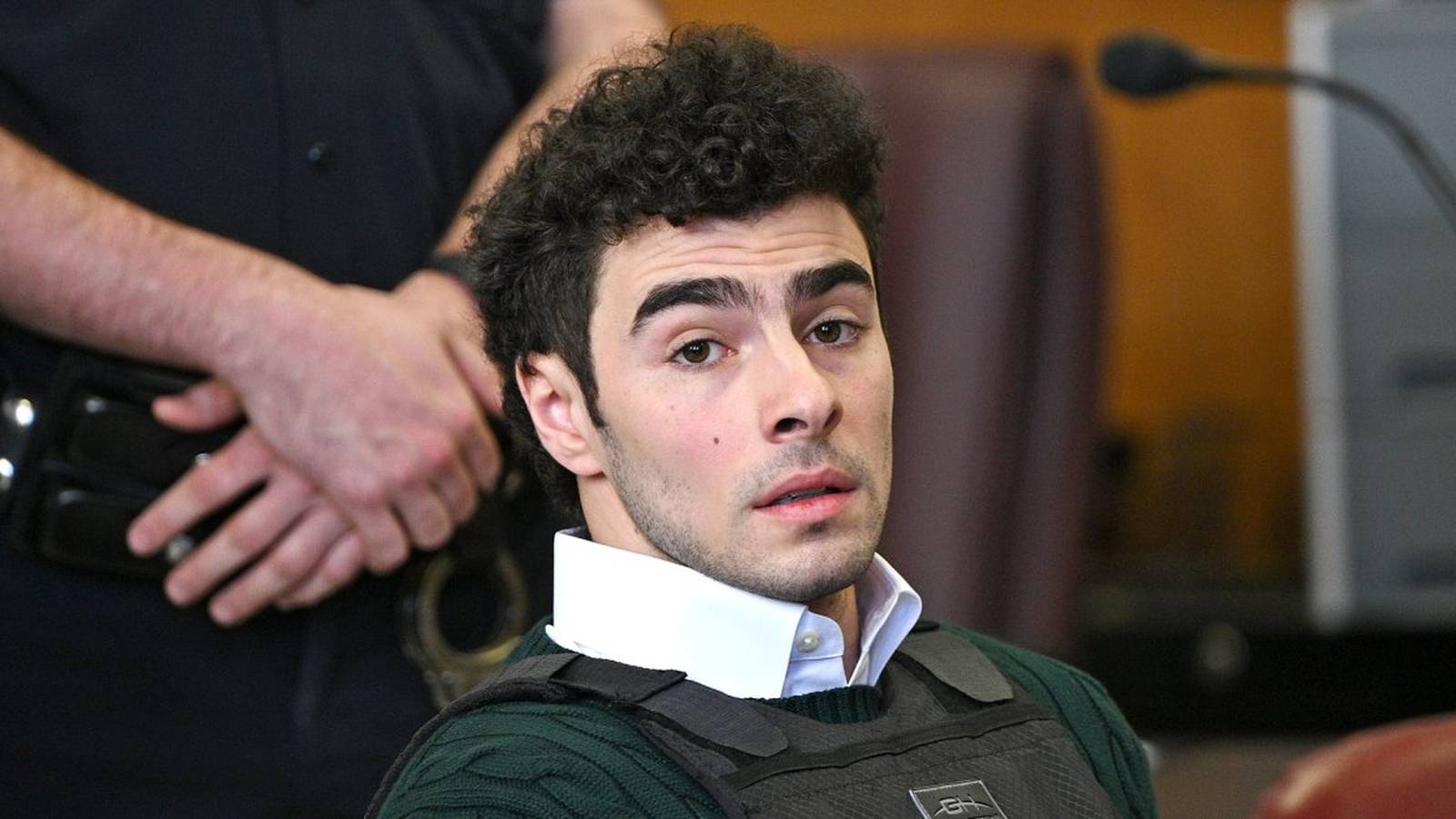
The case of Luigi Mangione, a Maryland man accused of murdering UnitedHealthcare CEO Brian Thompson in December 2024, has taken a dramatic turn. On July 18, 2025, Mangione’s defense team filed a motion in Manhattan Supreme Court accusing prosecutors of illegally obtaining and reviewing his confidential medical records. The accusations have sparked questions about the limits of prosecutorial power and the protection of privacy under federal law.
Background of the Case
Luigi Mangione, 27, was arrested following the December 2024 shooting of Brian Thompson on a busy Manhattan sidewalk. Thompson, the CEO of UnitedHealthcare, was reportedly targeted as part of Mangione’s broader grievances against the health insurance industry. According to court filings, Mangione kept a diary where he expressed his hostility toward corporate greed, specifically naming the insurance sector. Authorities allege that the shooting was premeditated, with Mangione meticulously planning the attack over several months. He faces charges of murder as an act of terrorism in state court and additional federal charges, including stalking and murder. Prosecutors have announced their intent to seek the death penalty in federal court.
Allegations of Privacy Violations
In a court filing submitted on July 17, Mangione’s defense attorneys accused veteran prosecutor Joel Seidemann of unlawfully acquiring over 120 pages of Mangione’s medical records from Aetna, his health insurance provider. The defense alleges that Seidemann issued a fraudulent subpoena, bypassing court oversight and instructing Aetna to deliver the records directly to his office. According to Newsday, this maneuver effectively excluded the court and Mangione’s legal team from monitoring the process, violating doctor-patient confidentiality and the Health Insurance Portability and Accountability Act (HIPAA).
Defense attorney Karen Friedman Agnifilo stated in the court filing that the subpoena falsely warned Aetna it could face contempt of court if it failed to comply by May 23, 2025. Instead of requesting specific, relevant information, Aetna allegedly provided Mangione’s entire medical file, which prosecutors partially reviewed before notifying the defense and the court.
Prosecutors’ Response
Manhattan prosecutors have denied any intentional wrongdoing. In a statement to ABC News, a spokesperson for the district attorney’s office claimed that they had requested limited information from Aetna and that the extensive records were sent in error. They asserted that the materials were deleted immediately upon discovery and that the defense was notified promptly. However, Mangione’s attorneys argue that the damage was already done, as the records were reviewed, violating Mangione’s legal rights.
In addition, the defense has requested an evidentiary hearing to investigate the extent of the alleged misconduct. According to The Baltimore Sun, they are seeking access to all communications between the Manhattan District Attorney’s Office and Aetna to determine whether state or federal laws were violated in the process.
Implications for the Case
The allegations of privacy violations could have significant ramifications for Mangione’s case. Legal experts suggest that if the court finds that prosecutors acted improperly, sanctions could range from exclusion of the evidence to more severe penalties. Defense attorneys have argued that the improperly obtained medical records are irrelevant to the murder charges and have called the subpoena process an abuse of power.
Moreover, this is not the first time Mangione’s defense has accused prosecutors of overstepping legal boundaries. In April, his attorneys claimed that prosecutors had violated his right to counsel by listening to a recorded phone call between Mangione and his lawyer at the Metropolitan Detention Center. These repeated accusations of misconduct could influence public perception of the case and potentially impact jury selection.
What’s Next?
No trial date has been set for Mangione’s state charges, and the court is expected to rule soon on the defense’s latest motion. Meanwhile, federal prosecutors are preparing their case, with the death penalty looming as a possible outcome. The controversy over the subpoenaed medical records adds another layer of complexity to an already high-profile and contentious legal battle.
The outcome of these proceedings will not only determine the course of Mangione’s trial but could also set a precedent for how privacy laws are upheld in criminal investigations.