
Quick Read
- French President Emmanuel Macron calls for increased military spending amid growing global threats.
- France’s defense budget has grown from €32 billion in 2017 to €50.5 billion in 2025.
- Macron emphasizes the need for European self-reliance in security and defense.
- The announcement reflects broader European trends toward military self-sufficiency.
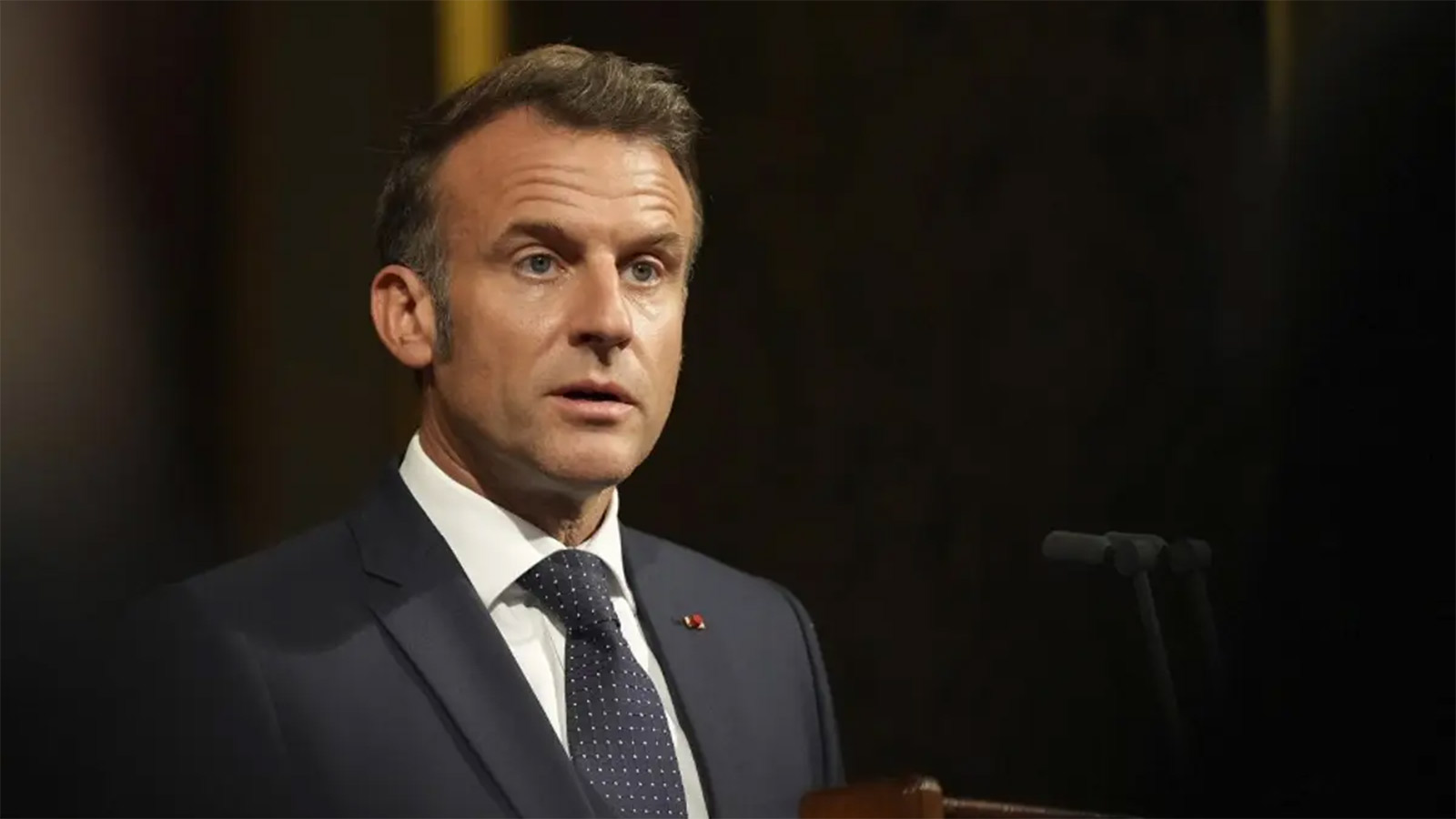
In a speech delivered on July 13, 2025, French President Emmanuel Macron underscored the urgent need for increased military spending in light of escalating global tensions. Speaking at the Hôtel de Brienne in Paris during his annual address to the armed forces, Macron emphasized the deteriorating geopolitical landscape and the pressing challenges facing Europe.
Macron’s Call to Action
Macron’s speech, delivered on the eve of Bastille Day, carried a grave tone as he highlighted the threats to global freedom. “Never since 1945 has freedom been under such a threat,” he declared, stressing the importance of maintaining a strong and independent European defense. The president argued that Europe must ensure its security independently, stating, “To be free in this world, you must be feared, and to be feared, you must be powerful.”
Macron also pointed out that the international environment has reached a critical juncture, describing it as a “vast arc of crises.” As reported by Le Monde, the president made it clear that Europe cannot afford to rely solely on external allies for its defense. This marks a significant shift toward European self-reliance in military strategy.
A History of Military Investments
Since taking office in 2017, Macron has championed increased defense spending. Under his leadership, France’s military budget has grown from €32 billion in 2017 to €50.5 billion in 2025. These investments have been directed toward modernizing the armed forces and ensuring readiness in the face of emerging threats. Macron’s latest announcement builds on this foundation, proposing further budget expansions despite fiscal pressures.
The president acknowledged the strain on public finances but stressed that the alternative—failing to act—would leave France vulnerable. “In these predatory times, we cannot afford to stand still,” he said, as quoted by Le Monde. Macron warned that without continued investment, France risks losing its strategic advantage.
Geopolitical Context and Strategic Priorities
The president’s remarks come amid a backdrop of heightened global instability. From tensions in Eastern Europe to conflicts in the Indo-Pacific, France faces a complex security environment. Macron’s call for increased military spending is part of a broader strategy to position France—and Europe as a whole—as a credible force on the global stage.
As noted by Defence Blog, France’s defense priorities include enhancing cybersecurity capabilities, modernizing its nuclear arsenal, and strengthening partnerships within the European Union. These measures aim to address both traditional and emerging threats, ensuring that France remains prepared for a wide range of scenarios.
Implications for France and Europe
Macron’s push for increased military spending reflects a broader European trend toward greater self-reliance in defense. With NATO allies like the United States facing their own challenges, European nations are being called upon to take on more responsibility for their security. France’s leadership in this area sets a precedent for other EU member states to follow.
However, the proposed budget increases have sparked debate within France. Critics argue that the funds could be better allocated to pressing domestic issues, while supporters contend that a strong military is essential for national and regional stability. Macron’s ability to navigate these competing priorities will be a key test of his leadership in the years to come.
Macron’s call to action underscores the critical role of defense in securing freedom and stability in an increasingly uncertain world. His leadership signals a renewed commitment to ensuring that France and Europe are prepared to face the challenges of the 21st century.