
Quick Read
- France, Britain, and Germany (E3) are likely to reimpose UN sanctions on Iran by month’s end.
- Negotiations with Iran have stalled, with European powers citing non-serious engagement.
- Iran claims to have presented a plan to avert crisis, but details remain undisclosed.
- The UN Security Council vote on lifting sanctions is expected to fail or be vetoed.
- Sanctions could include arms embargoes, missile restrictions, and asset freezes.
European Powers Prepare to Reimpose Sanctions Amid UN Vote
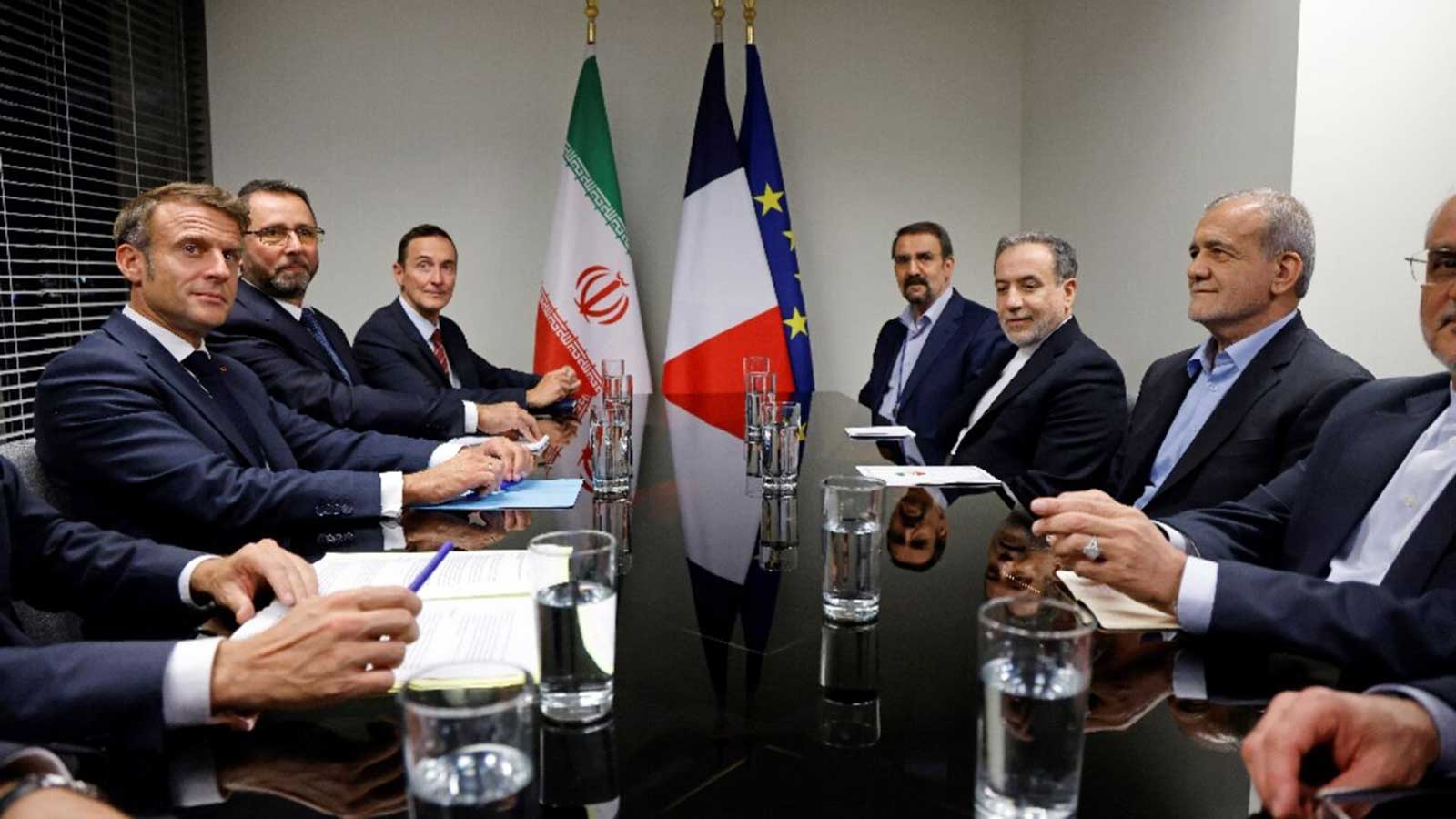
In a move that could reshape diplomatic relations across the Middle East, France, Britain, and Germany—collectively known as the E3—are set to reimpose UN sanctions on Iran by the end of September. French President Emmanuel Macron confirmed the likelihood of this action in a candid interview with Israel’s Channel 12, stating that ongoing negotiations with Tehran have not been “serious.” The snapback process, which enables the automatic reinstatement of sanctions if Iran is found in violation of the Joint Comprehensive Plan of Action (JCPOA), was triggered after the E3 launched a 30-day review late last month.
Macron’s remarks come as the UN Security Council prepares for a crucial vote on Friday. The resolution under consideration would permanently lift UN sanctions on Iran—a requirement following the E3’s activation of the snapback mechanism. However, diplomats expect the resolution to fall short of the minimum nine votes needed, and even if it passes, it faces vetoes from the United States, Britain, or France.
Failed Negotiations and Rising Tensions
Efforts to avert the sanctions have unfolded against a backdrop of deteriorating trust and escalating rhetoric. Iran’s Foreign Minister Abbas Araghchi asserted that he had presented a “reasonable and actionable plan” to his E3 and EU counterparts, aiming to sidestep what he called an “unnecessary and avoidable crisis.” In a post on X, Araghchi described the proposal as mutually beneficial and responsive to genuine concerns, though he withheld specific details.
Despite a flurry of diplomatic activity—including a phone call between E3 foreign ministers, EU foreign policy chief Kaja Kallas, and Araghchi—no substantive progress has emerged. Kallas warned, “The window for finding a diplomatic solution on Iran’s nuclear issue is closing really fast,” urging Tehran to demonstrate full cooperation with the International Atomic Energy Agency (IAEA) and allow unrestricted inspections of all nuclear sites.
The urgency is palpable. European powers have conditioned any delay of the snapback mechanism on Iran restoring full access for UN nuclear inspectors and engaging in direct talks with the United States. An agreement with the IAEA last week opened the door to resuming inspections, but it remains uncertain whether Iran’s actions will satisfy European demands.
Accusations of Breaches and the Legacy of the JCPOA
At the heart of the standoff are allegations that Iran has violated the JCPOA, the landmark 2015 agreement that curbed Tehran’s nuclear program in exchange for sanction relief. The E3 claims Iran has amassed a stockpile of enriched uranium more than 40 times the permitted level, raising fears of a potential nuclear weapons capability. Iran, for its part, denies seeking nuclear arms and maintains that its nuclear activities are peaceful.
The unraveling of the JCPOA began in 2018, when then-U.S. President Donald Trump unilaterally withdrew the United States from the accord and reinstated sweeping sanctions. Since then, tensions have simmered, occasionally erupting into direct conflict. This past June, Israel conducted a 12-day aerial campaign targeting Iran’s nuclear facilities, with the United States joining in strikes on three uranium-enrichment sites. The attacks, justified by Israel and the U.S. as necessary to stop Iran from acquiring nuclear weapons, were condemned by Iran as a violation of international law. The IAEA, meanwhile, has stated it has no credible evidence of a coordinated Iranian weapons program.
Diplomatic Moves and UN Maneuvering
In a dramatic turn, Iran withdrew a draft UN resolution that would have prohibited attacks on nuclear facilities worldwide—a measure it had co-sponsored with China, Russia, and other nations. Iran’s ambassador to the UN, Reza Najafi, explained that the decision was made “guided by the spirit of goodwill and constructive engagement, and at the request of several member states.” The resolution, which strongly condemned the June attacks on Iranian nuclear sites, has been deferred until next year.
The sanctions package being considered is comprehensive: conventional arms embargoes, restrictions on ballistic missile development, asset freezes, travel bans, and prohibitions on nuclear-related technology. If the UN snapback process proceeds, these measures could be reinstated as early as next week. The timing coincides with the annual UN General Assembly, where Iranian President Masoud Pezeshkian is expected to attend—potentially creating a last-minute window for negotiation.
Regional Stakes and the Path Forward
The reimposition of sanctions would have far-reaching consequences, not just for Iran’s economy and regional standing, but for global diplomacy. Western powers and Israel continue to accuse Tehran of harboring nuclear ambitions, while Iran counters that its actions are a response to unjustified pressure and military threats. Meanwhile, Europe’s largest economies—having once been steadfast supporters of the JCPOA—now find themselves united in demanding greater transparency and accountability from Tehran.
As the UN Security Council prepares to vote, the world watches a familiar drama play out: the collision of diplomacy and hard power, the search for compromise amid entrenched distrust. The outcome of this week’s deliberations will reverberate well beyond New York, shaping the future of non-proliferation, regional security, and the delicate balance between negotiation and confrontation.
The impending UN vote on Iran’s sanctions underscores the limits of diplomatic engagement when trust erodes and verification falters. While the snapback mechanism offers a legal remedy to alleged breaches, it also risks deepening divisions and fueling further escalation. The next few days will reveal whether the international community can find a path back to dialogue—or whether the cycle of sanctions and suspicion will once again take center stage.