
Quick Read
- Gen Z protests in Madagascar began over power and water shortages, evolving into demands for systemic change.
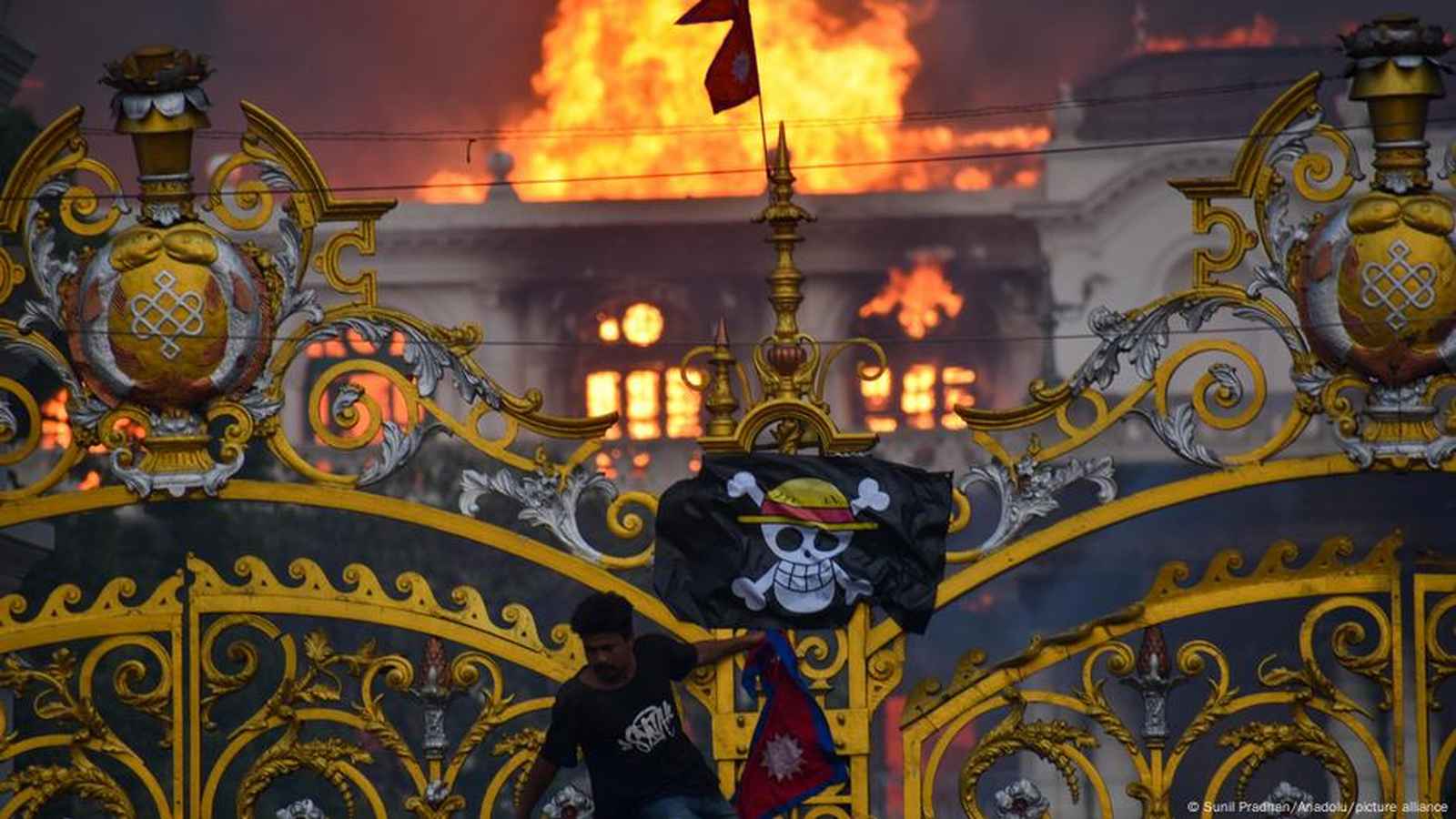
- The ‘One Piece’ pirate flag, adapted with local elements, has become the movement’s unifying symbol.
- President Rajoelina dismissed his cabinet and called for dialogue, but protesters refused amid continued repression.
- At least 22 people have died and over 100 injured according to UN; the government disputes these numbers.
- Three-quarters of Madagascar’s population live below the poverty line, fueling youth unrest.
Gen Z Rises: Power Outages Ignite a Movement
On the streets of Antananarivo, the capital of Madagascar, a new generation is making itself heard. What began as spontaneous frustration over relentless power outages and water shortages has, in just weeks, become a full-scale youth rebellion. Since September 25, 2025, thousands of Malagasy, most under 30, have been marching, organizing, and refusing to back down. Their banner? Not a traditional political slogan, but a grinning skull beneath a straw hat: the Jolly Roger of ‘One Piece,’ the legendary Japanese manga.
The outages were crippling. In some neighborhoods, electricity vanished for up to 12 hours a day, leaving families in darkness and businesses paralyzed. “There are about 120 hours of power cuts per week where I live,” reported a 21-year-old protester, echoing the frustration of millions. Yet as the streets filled, it became clear this was about more than utilities. Underneath the surface, anger simmered at chronic corruption, government mismanagement, and a widening gulf between elites and everyday people.
The Pirate Flag: From Anime to Activism
Why does a manga symbol flutter above Madagascar’s protests? The answer is rooted in global youth culture. ‘One Piece,’ created by Eiichiro Oda in 1997, is the world’s best-selling manga, with over 500 million copies sold and a sprawling universe of films and TV episodes. Its central story—the Straw Hat Pirates led by the irrepressible Monkey D. Luffy—has always been about challenging corrupt power, fighting for freedom, and helping the oppressed. Andrea Horbinski, manga historian, notes, “Luffy and his crew stand for freedom, individual choice, and following your own heart. They’ve helped oppressed groups and stood up against corrupt figures of authority.”
For Gen Z, raised on the internet and pop culture, such symbols resonate deeply. The flag first appeared at Indonesian protests in early 2025, then swept through Nepal, where Gen Z activists used it as they fought—and won—against a social media ban. After deadly clashes left dozens dead, their victory inspired youth movements from Kenya to Paraguay. Now, in Madagascar, the pirate flag flies with a local twist: the straw hat replaced by the satroka bucket hat, traditional to the Betsileo people. It’s a statement—global yet rooted, playful yet serious.
Demands Escalate, Government Responds
Initially, the Malagasy protests demanded fixes for electricity and water. But as security forces cracked down—using tear gas, rubber bullets, and, according to the UN, even live ammunition—the movement’s goals widened. Protesters now call for the resignation of President Andry Rajoelina, the dissolution of the Senate and the Electoral Commission, and a complete overhaul of the political system. Human rights activist Ketakandriana Rafitoson summed up the mood: “The younger generation is fighting for a new social contract in which the state serves the people—not the interests of the elite.”
The response from authorities has been severe. At least 22 people have been killed and over 100 injured, according to United Nations figures—numbers the government disputes but does not replace with its own. Images of protesters carrying the wounded to safety, or hurling tear gas canisters back at police, have spread across social media, fueling outrage and solidarity.
Faced with mounting unrest, President Rajoelina dismissed his entire cabinet, appointing General Ruphin Fortunat Dimbisoa Zafisambo as prime minister and reshuffling security posts. He then called for a “national dialogue” with youth and spiritual leaders, hoping to calm the crisis. But Gen Z leaders, organizing via encrypted social media, rejected the offer. “We reject this mockery of dialogue,” they declared on Facebook. “We refuse the president’s invitation to talks. We will not engage in dialogue with a regime that represses, assaults, and humiliates its youth in the streets.”
The Struggle for a Future: Poverty, Economy, and Hope
Underlying the protests is a bleak economic reality. Madagascar, famed for its vanilla, also exports nickel, cobalt, textiles, and shrimp. Yet three-quarters of its 33 million people live below the poverty line. The World Bank reports that per capita GDP has plunged by 45% since 1960. For the protesters—many of them university students—the present feels precarious and the future uncertain.
Despite government reshuffles and promises, the demonstrators remain unimpressed. After a 48-hour ultimatum for the president to meet their demands, university students prepared for renewed strikes. The movement’s momentum is driven by a sense of shared struggle and hope, embodied in the pirate flag. Slam poet Virgilus Slam, an activist in Antananarivo, told DW: “It’s empowering to see this movement, led by us, the young people, emerge and grow under this banner. Luffy is a young man who fights back and always hopes to make the world a better place—for his friends, and even for his enemies.”
Madagascar’s protests are part of a larger wave. Globally, Gen Z has turned pop culture icons into tools of resistance—the Guy Fawkes mask from ‘V for Vendetta,’ the three-finger salute from ‘Hunger Games,’ and even Winnie-the-Pooh, banned in China for satirical comparisons to Xi Jinping. In each case, the symbols are more than decoration. They are shields against anonymity, badges of shared purpose, and signals to the world that youth will not be silent.
What’s Next for Madagascar’s Youth?
For now, the streets remain restless. Security forces maintain a heavy presence. The government, eager to restore order, warns against “incitement of unrest.” But Gen Z protesters, armed with memes, bucket hats, and a manga pirate flag, are undeterred. Their demands echo across social media: real change, an end to corruption, and a future where the state serves its people.
As the world watches, one question looms: Can Madagascar’s youth force a political reckoning, or will their movement be crushed beneath the weight of old power? In the shadow of the pirate flag, hope endures—and so does defiance.
The Gen Z protests in Madagascar reveal the transformative power of youth-led movements when local grievances are given global resonance through pop culture. The ‘One Piece’ pirate flag, both a playful meme and a serious symbol, has turned frustration into a rallying cry for systemic change, challenging entrenched authority and demanding a new social contract.