
Quick Read
- President Andry Rajoelina dissolved Madagascar’s government after days of youth-led protests.
- Protests erupted over worsening water and electricity shortages, leading to clashes and a UN condemnation of security forces.
- More than 20 people died and at least 100 were injured amid the unrest.
- A new government is expected to be formed within days, with current officials serving in interim roles.
Youth-Led Protests Force Madagascar’s Political Reset
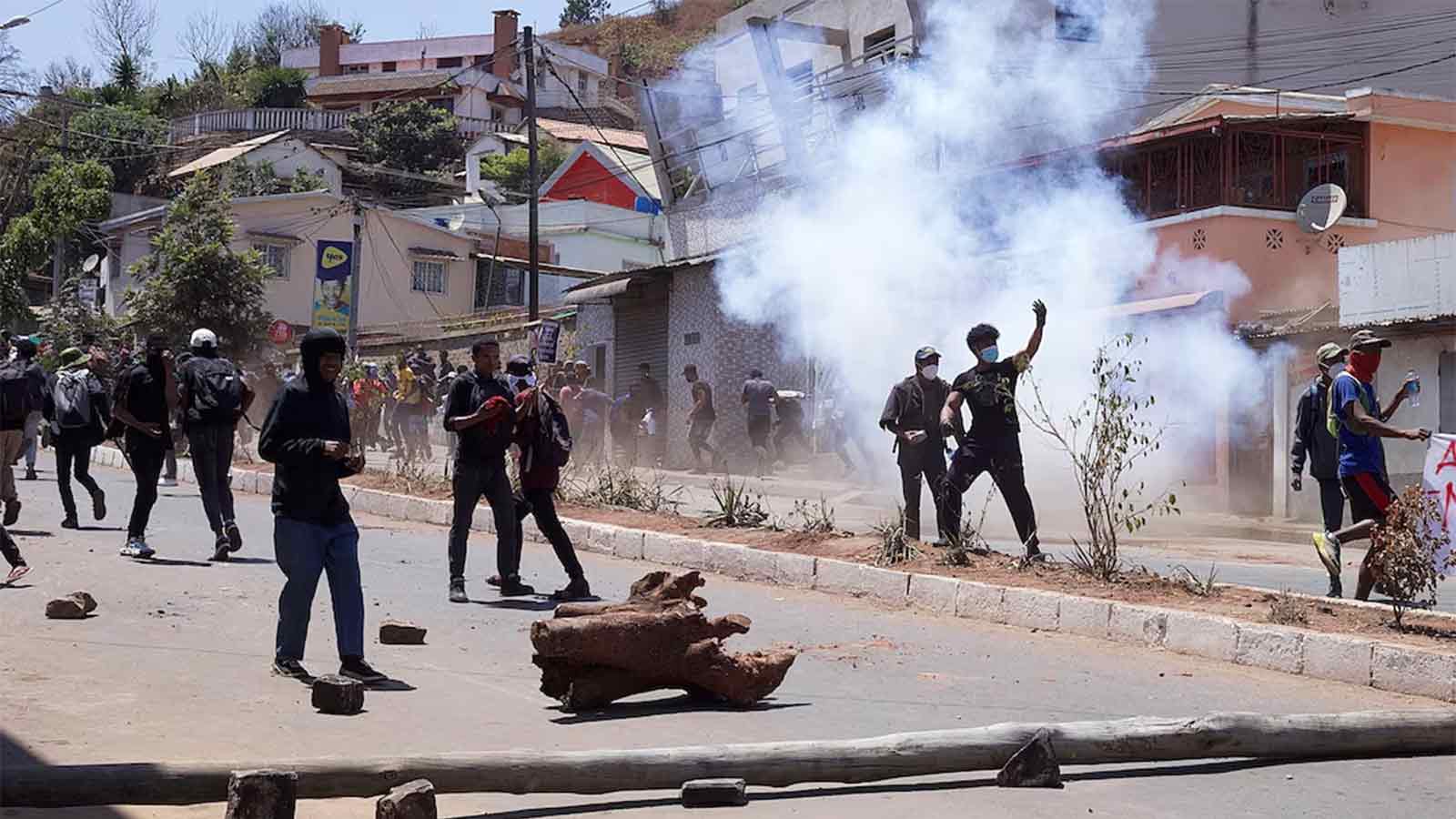
For days, the streets of Antananarivo and eight other cities in Madagascar have echoed with the chants of young people demanding more than mere survival. Under the slogan “We want to live, not survive,” the so-called Gen-Z movement erupted last Thursday, turning the simmering frustration over persistent water and electricity shortages into a political crisis no longer contained by official reassurances or promises of reform.
On Monday, President Andry Rajoelina addressed the nation in a televised broadcast. His words were somber and direct: “Maybe we haven’t met the needs you aspired to or even listened to the cries and fears you experienced.” With this admission, he announced the dissolution of his government, dismissing Prime Minister Christian Ntsay and the entire cabinet. Current officials will remain in their posts in an interim capacity until a new government is formed in the coming days.
Roots of Unrest: Years of Neglect and Unfulfilled Promises
The spark behind the recent upheaval was a familiar one for many in Madagascar: chronic, worsening disruptions in electricity and water supply. In a country where daily life is shaped by the unpredictability of basic services, each blackout and each dry tap is a reminder of promises made and not kept. For the nation’s youth—who have grown up with the hope of change and the reality of stagnation—this latest crisis proved to be the tipping point.
“We’ve lost count of how many times the lights went out this month,” said one protester in Antananarivo, speaking to APA News. “We want a future, not just survival.” The message quickly resonated across the country, drawing thousands into the streets. The movement’s energy, organization, and determination were unmistakable—testament to a generation unwilling to accept the status quo.
Government Response: Apologies and Accountability
Initially, President Rajoelina responded by dismissing the energy minister, hoping to quell the growing anger. But as calls for broader accountability intensified, it became clear that a more significant gesture was needed. The protests swelled in size and scope, demanding not just individual resignations but a complete overhaul of the leadership responsible for years of mismanagement.
On Monday, as thousands once again filled the streets, Rajoelina made the decision to dissolve the entire government. The move, while dramatic, was a direct response to the mounting pressure and a rare acknowledgment of government responsibility in the face of public outcry.
“This is a historic moment,” said a political analyst in the capital. “We are seeing the power of youth activism to effect real political change in Madagascar.”
International Reaction and Human Cost
The events have not gone unnoticed beyond Madagascar’s borders. The United Nations issued a statement condemning the response of security forces, citing the use of “unnecessary and disproportionate force” against demonstrators. According to UN reports, more than 20 people have been killed and at least 100 injured since the protests began. The government, in an attempt to restore order, imposed a dusk-to-dawn curfew in Antananarivo following incidents of looting and clashes between protesters and police.
International observers, including representatives from the African Union and the European Union, have urged the government to respect the rights of peaceful protesters and to ensure that the transition to a new cabinet is both transparent and inclusive.
What Comes Next for Madagascar?
As the dust settles, the question on everyone’s mind is what happens next. The president has promised to form a new government within days, but trust between the state and its citizens remains fragile. For many, the dissolution of the cabinet is just the first step. Real change, they insist, will only come when the root causes of the crisis—ineffective governance, lack of infrastructure investment, and widespread poverty—are addressed.
“We want leaders who listen, who act, and who deliver,” said another young protester. The Gen-Z movement has proven that the country’s youth are a force to be reckoned with, capable of shifting the political landscape and demanding accountability at the highest levels.
For President Rajoelina, the path forward is fraught with challenges. He must restore public trust, deliver tangible improvements in basic services, and manage a peaceful transition—all under the watchful eyes of both the nation and the international community.
As Madagascar stands at this crossroads, the world is watching to see whether the promises of reform will translate into meaningful change or fade, once again, into unfulfilled hope.
In dissolving his government, President Rajoelina has acknowledged the depth of public dissatisfaction and the power of youth activism. The coming weeks will test whether this moment is a turning point for Madagascar or merely a pause before further unrest. The stakes—for the nation’s future and for the aspirations of its young people—could not be higher.