
Quick Read
- US Delta Force captured Venezuelan President Nicolás Maduro and his wife, flying them out of Venezuela.
- Sweeping US airstrikes targeted military bases and key infrastructure in Caracas and across Venezuela.
- Venezuela declared a state of emergency and called citizens to resist the US operation.
- International reactions include condemnation from Cuba, legal concerns in US Congress, and warnings from the US State Department.
- The operation follows months of US military buildup and escalating narcoterrorism allegations against Maduro.
US Military Strikes Lead to Capture of Venezuelan President Maduro
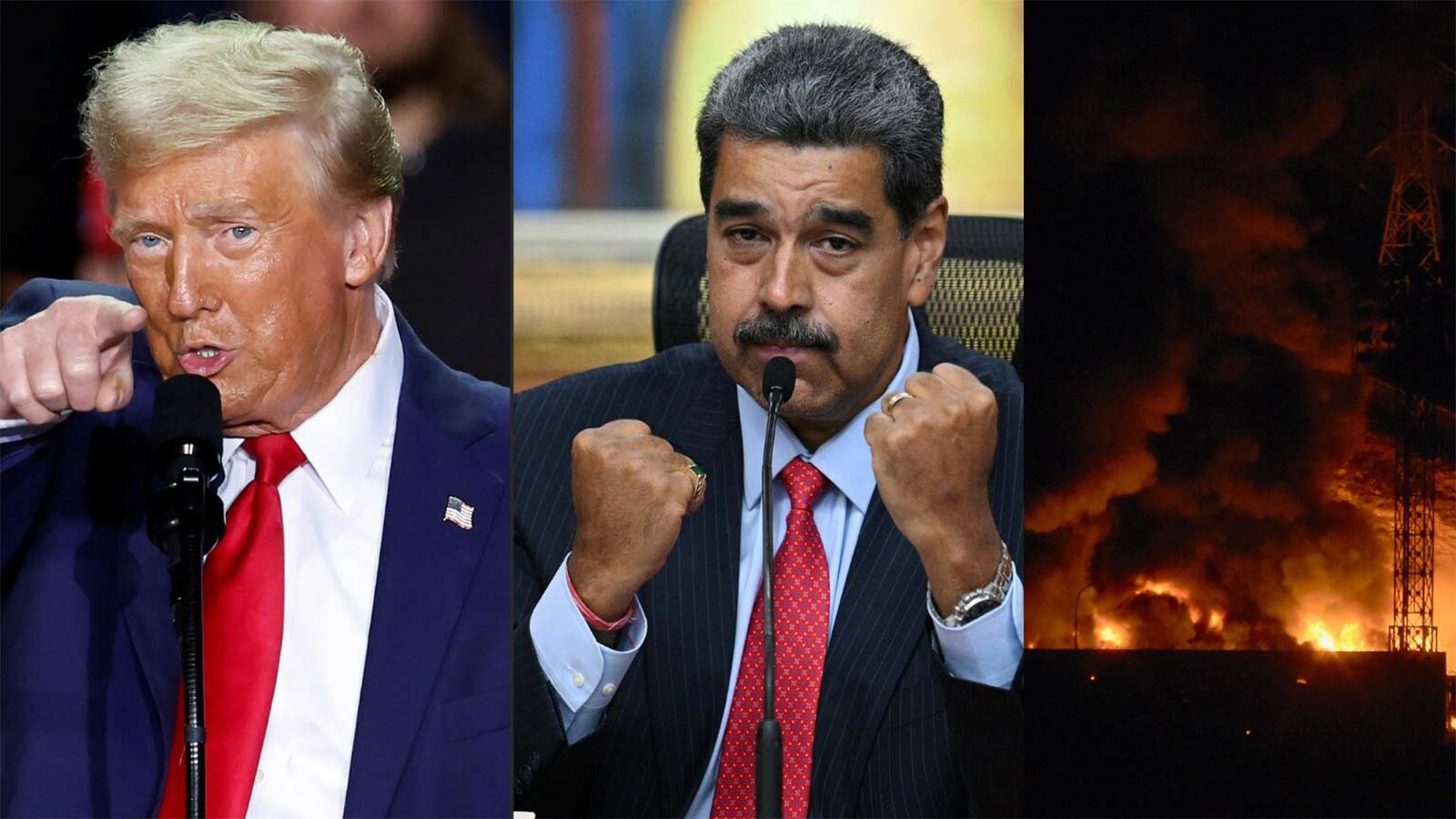
In a move that stunned Latin America and set global headlines ablaze, the United States launched large-scale military strikes on Venezuela early Saturday morning, culminating in the capture of President Nicolás Maduro and his wife. President Donald Trump announced the operation on Truth Social, confirming that Maduro was apprehended by the US Army’s elite Delta Force and flown out of the country, marking a dramatic escalation in the long-standing tensions between Washington and Caracas. (CBS News, Al Jazeera, BBC)
Explosions echoed across Caracas and beyond as US fighter jets targeted major military installations, including Fuerte Tiuna—the heart of Venezuela’s military command—and La Carlota air base. Opposition sources and Colombian President Gustavo Petro listed additional sites reportedly hit, such as Cuartel de la Montaña, the Federal Legislative Palace, and multiple airports. Much of the capital was left without electricity in the aftermath, amplifying the sense of crisis and uncertainty.
Delta Force Operation: Months of Buildup Unleash a Daring Strike
The capture of Maduro was the product of months of US military buildup in the Caribbean. The USS Gerald R. Ford, the world’s most advanced aircraft carrier, along with guided missile destroyers, cruisers, and amphibious ships, had encircled Venezuela, sending an unmistakable message. The Trump administration’s accusations against Maduro centered on narcoterrorism and alleged collusion with gangs such as the Cartel de los Soles and Tren de Aragua—charges the Venezuelan president denied. In recent months, US forces had seized oil tankers, destroyed over 30 suspected drug boats, and conducted lethal raids, killing more than 110 people since September.
Delta Force, renowned for its high-risk missions, executed the pre-dawn operation to apprehend Maduro. Sources told CBS News that the elite unit was responsible for extracting the president and his wife, echoing tactics used in previous global counterterrorism missions. The US State Department immediately warned American citizens in Venezuela to shelter in place, citing the risk of unrest, violence, and potential reprisals.
Venezuela Declares State of Emergency: Resistance and Unrest Unfold
In response to the strikes, Venezuelan Defense Minister Vladimir Padrino López called for a nationwide military deployment and urged citizens to unite against “the worst aggression ever” faced by the country. The government declared a state of emergency, enabling the suspension of civil rights and the expansion of armed forces’ powers. Official statements called supporters to the streets, denouncing the “imperialist attack” and activating national defense plans. Yet, notably, the defense minister’s address made no mention of Maduro’s reported capture, further clouding the situation on the ground.
Opposition leader María Corina Machado, herself a Nobel Peace Prize laureate this year, previously voiced support for Trump’s pressure campaign, suggesting that more force might be necessary to end Maduro’s rule. As the government’s grip slipped, opposition voices remained guarded, with no official comment on the explosions or the president’s fate. Machado’s own whereabouts were unclear amid the chaos.
International Reactions: Condemnation, Uncertainty, and Legal Questions
The strikes drew swift condemnation from regional allies of Venezuela. Cuba’s President Miguel Díaz-Canel Bermúdez labeled the operation a “criminal attack,” while Colombia activated emergency command posts along its border, bracing for instability. International observers and neighboring governments called for urgent United Nations intervention, with concerns mounting over the legality and repercussions of the US action.
In Washington, US lawmakers voiced polarized reactions. Democratic Senator Ruben Gallego declared the war “illegal,” referencing the absence of congressional authorization. Republican Senator Mike Lee raised constitutional concerns, reflecting broader anxieties over executive war powers. Congress had previously debated measures to bar military action in Venezuela, but those efforts were ultimately defeated.
Meanwhile, the FAA banned commercial flights over Venezuela due to “ongoing military activity,” and the US embassy in Colombia reiterated its travel warning, urging Americans to avoid Venezuela altogether.
What Comes Next for Venezuela?
Maduro’s ouster comes after a disputed 2024 election, which the US and international observers denounced as fraudulent. The opposition candidate, Edmundo González, was recognized by Washington, but Maduro was sworn in for a third term regardless. The strikes and subsequent capture now leave Venezuela at a crossroads, with power vacuums, civil unrest, and the prospect of further intervention looming large.
Before the operation, Maduro had signaled willingness to negotiate with the US over drug trafficking and oil. Yet, the rapid escalation rendered talks moot, plunging the nation into a state of emergency. As smoke still rises over Caracas, and the world watches for the next chapter, Venezuela faces a moment of reckoning—one shaped by force, resistance, and the fragile hope for stability.
The facts reveal a high-stakes gamble by the US, driven by strategic interests and allegations of criminality. Maduro’s capture is a watershed moment, but whether it brings freedom, chaos, or a new era of uncertainty for Venezuela remains to be seen. The operation’s legality, international response, and local repercussions will shape the region’s future—and test the boundaries of intervention in a deeply divided hemisphere.