
Quick Read
- Venezuelan President Nicolás Maduro mobilized 4.5 million militia members amid US naval activities.
- The US has accused Maduro of narco-trafficking and increased the bounty on him to $50 million.
- The US military has deployed forces to Latin America to combat drug cartels.
- Maduro framed the mobilization as a defense of Venezuela’s sovereignty.
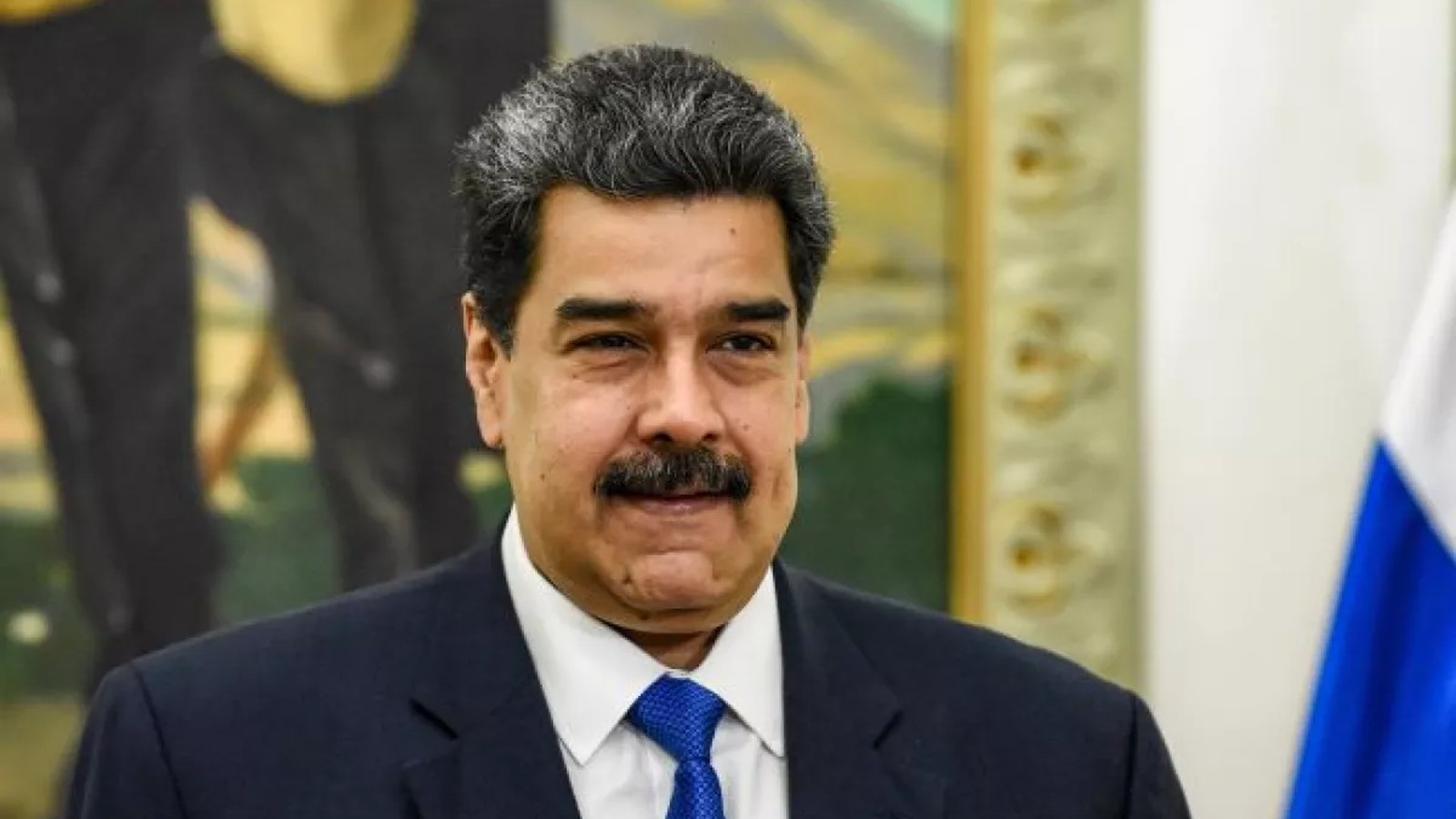
Venezuelan President Nicolás Maduro has once again thrust his nation into global headlines by mobilizing an estimated 4.5 million militia members. This bold action comes amid increasing tensions with the United States, which has ramped up its military presence in Latin America and escalated rhetoric against Maduro’s government. The move highlights a deepening geopolitical conflict that intertwines accusations of drug trafficking, militarization, and sovereignty disputes.
US Military Escalation and Drug Trafficking Allegations
The United States recently announced plans to enhance its naval presence in Latin America and the Caribbean, ostensibly to combat drug cartels. As reported by CNN, this initiative includes the deployment of a nuclear submarine, reconnaissance aircraft, several destroyers, and a missile cruiser. Approximately 4,000 U.S. marines and sailors are expected to participate in these operations. These maneuvers follow an executive order signed by President Donald Trump, authorizing military operations targeting Latin American drug cartels, which have been labeled as terrorist organizations.
Among the groups named is the Venezuelan “Cartel de los Soles,” which the U.S. accuses Maduro and his administration of directly overseeing. The Trump administration has also doubled the reward for information leading to Maduro’s capture, raising the bounty to a staggering $50 million. U.S. Attorney General Pam Bondi has alleged Maduro’s involvement with international drug cartels, including the notorious Sinaloa Cartel, and claims that his network has facilitated the smuggling of fentanyl-laced cocaine into the United States. However, the Venezuelan government has dismissed these allegations as politically motivated propaganda.
Maduro’s Countermove: Nationwide Militia Mobilization
In a televised address on August 19, Maduro announced the activation of 4.5 million militia members across Venezuela. “No empire will touch the sacred soil of Venezuela,” he declared, emphasizing his government’s commitment to defend the nation’s sovereignty. These militias, originally established under $1 Hugo Chávez, have been integrated into the Bolivarian National Armed Forces to bolster national defense. Maduro’s plan includes arming and training workers and peasants in factories and workplaces, a strategy he described as equipping “the working class with missiles and rifles.”
Venezuela’s regular military force is estimated to include between 95,000 and 150,000 active personnel, supported by a much larger reserve force. According to Caliber.Az, the National Militia significantly expands Venezuela’s defensive capabilities, especially in light of the country’s 2,500 miles of coastline. Maduro’s rhetoric paints the U.S. military presence as a direct threat to Venezuelan sovereignty, framing his mobilization efforts as a patriotic response to imperial aggression.
Geopolitical Implications and Sovereignty at Stake
The intensifying standoff between Venezuela and the United States underscores broader geopolitical tensions in Latin America. Washington’s focus on drug trafficking has often been criticized as a pretext for exerting influence over the region. Maduro has accused the U.S. of using these accusations to justify military intervention and destabilize his government. Caracas has also pointed to the U.S.’s own internal controversies, such as the Jeffrey Epstein scandal, as evidence of hypocrisy in Washington’s moral posturing.
As reported by Firstpost, the Venezuelan government views the U.S. military buildup as a provocative act designed to undermine regional stability. This sentiment is echoed by analysts who argue that the U.S. strategy may risk alienating Latin American nations and fostering anti-American sentiment. Meanwhile, Maduro’s government continues to rely on support from allies such as Russia and China, complicating Washington’s efforts to isolate Venezuela diplomatically.
The Role of the Venezuelan People
While Maduro’s government frames the militia mobilization as a defense of national sovereignty, critics argue that it is also a strategy to consolidate power domestically. By involving civilians in military activities, the regime strengthens its control over key sectors of society, from factories to agricultural communities. This dual purpose—defense against external threats and internal consolidation—has been a hallmark of Maduro’s leadership.
For ordinary Venezuelans, the situation presents a complex reality. Economic hardships, exacerbated by international sanctions and political instability, continue to plague the nation. The mobilization of millions of citizens into militias further strains resources, raising questions about the sustainability of Maduro’s approach. Nevertheless, many Venezuelans view the move as a necessary act of resistance against foreign intervention.
As the standoff between Venezuela and the United States intensifies, the stakes for both nations—and the broader region—continue to rise. The coming months are likely to reveal whether this escalating conflict will lead to dialogue or further confrontation.