
Quick Read
- Manchester Airport ranks third among the world’s most stressful airports in 2026.
- Severe weather warnings in January led to widespread flight delays and cancellations.
- Persistent congestion and operational bottlenecks continue to affect passenger experience.
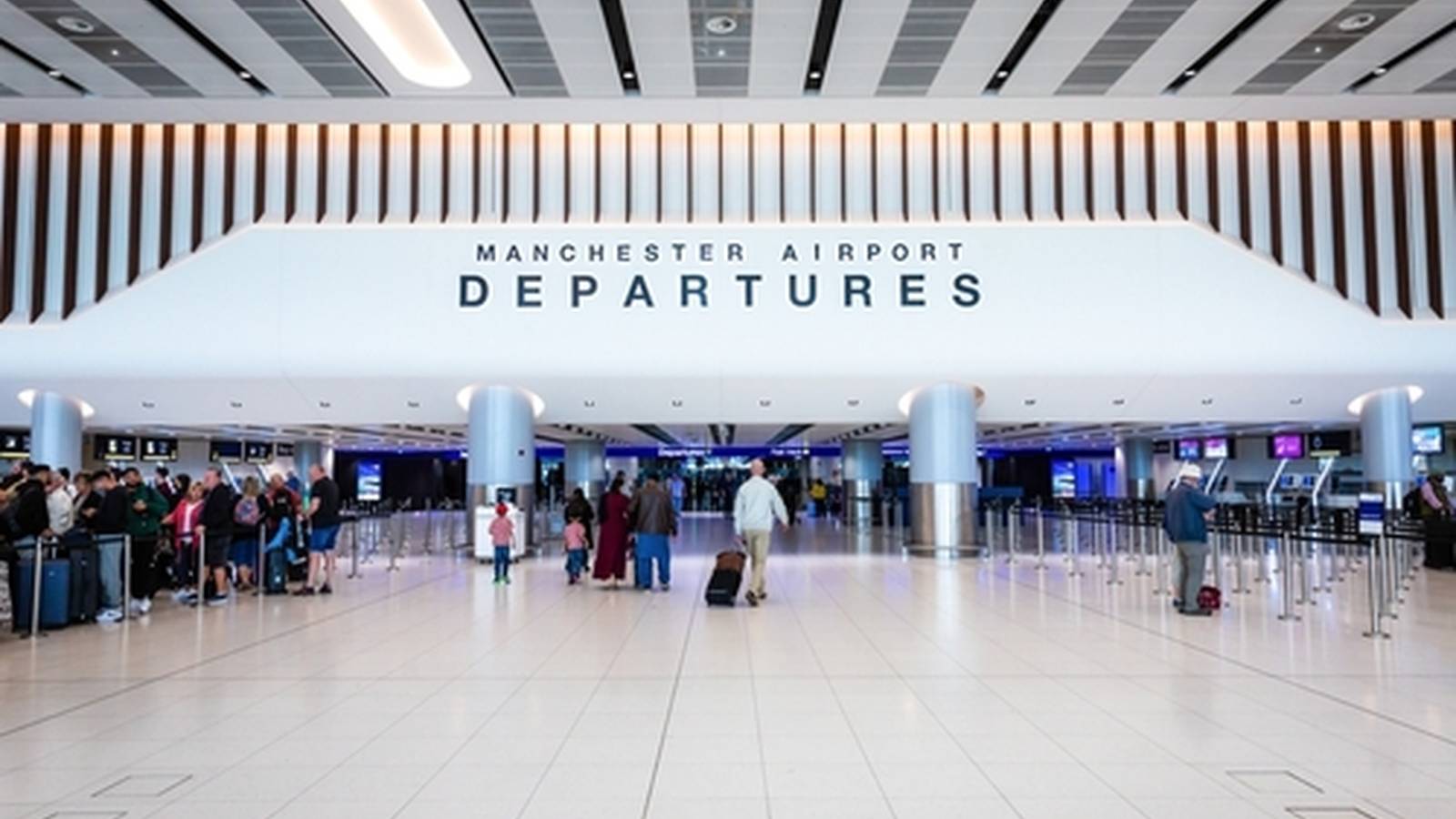
Manchester Airport’s reputation as a busy northern gateway is now shadowed by a new distinction: it ranks third among the world’s most stressful airports in 2026. This isn’t just idle speculation—it’s the result of a data-driven analysis conducted by iSelect, an Australian consumer insight platform, and reported by Condé Nast Traveller ME. The airport’s high stress score reflects persistent congestion, operational bottlenecks, and a string of disruptions that travelers have come to expect, rather than avoid.
What makes Manchester so stressful? The answer lies in the everyday realities of airport operations. According to iSelect’s composite stress index, Manchester Airport faces extended queues, delayed baggage handling, and terminal bottlenecks, especially during peak travel periods. The index doesn’t just measure isolated incidents—it combines flight delay and cancellation rates, average security waiting times, annual passenger volumes, and the accessibility of transport connections. As passenger numbers climb faster than infrastructure can keep up, the airport’s systems are routinely stretched to their limits.
Recent events have only heightened this sense of strain. On January 2, 2026, Greater Manchester and much of North West England were hit with a yellow weather warning for snow and ice, issued by the Met Office. The warning covered eight out of ten metropolitan boroughs, with only Wigan and Rochdale spared. The forecast predicted sleet and snow moving southeastward, with up to 5 cm possible in higher areas, and the risk of quickly forming icy patches.
The impact was immediate and widespread. Manchester Airport saw dozens of flights delayed or cancelled, disrupting both departures and arrivals. TUI, easyJet, KLM, Jet2, British Airways, Aer Lingus, IndiGo, TAP Express, and SunExpress routes were all affected. Travelers faced hours-long waits, abrupt cancellations, and the confusion of rescheduling under pressure. The disruption wasn’t isolated to Manchester—Heathrow and Birmingham airports also reported cancelled flights to popular European destinations like Amsterdam, as severe weather swept across the region.
The data tells the story in stark detail. On January 2, key departures from Manchester Airport—such as easyJet and KLM flights to Amsterdam, Aer Lingus to Dublin and New York, Jet2 to Funchal, and BA to Heathrow—were either delayed or cancelled. Arrivals were similarly disrupted, with flights from Mumbai, Amsterdam, Jeddah, and other cities delayed or grounded. Passengers hoping for smooth winter travel instead found themselves navigating the uncertainty of weather, congestion, and operational limits.
For those behind the scenes, the challenge is just as acute. Drivers serving Manchester and Gatwick airports face operational headaches: tighter pickup windows, congestion charges, restricted access zones, and frustrated customers. According to DM News, pre-booked airport transfers now outperform app-based pickups, making careful planning and local knowledge more crucial than ever. The airport’s stress ranking isn’t just a number—it’s a lived reality for passengers and staff alike.
Manchester’s ongoing redevelopment efforts are intended to address some of these problems, but progress is slow. The airport’s infrastructure, originally designed for lower passenger volumes, is struggling to keep pace with demand. Even outside of severe weather events, the friction is palpable—queues snake through terminals, security waits lengthen, and the experience feels fragmented.
What does all this mean for travelers? The findings suggest that stress at Manchester Airport isn’t just a result of extraordinary circumstances, but of systems under sustained pressure. As passenger volumes grow and weather events become more frequent, the airport’s ability to deliver a seamless experience is being tested. For now, travelers passing through Manchester should brace themselves for delays, plan ahead, and keep an eye on weather forecasts and airport updates.
Manchester Airport’s ranking among the world’s most stressful airports is a wake-up call for travelers and industry leaders alike. The convergence of rising passenger numbers, infrastructural limits, and unpredictable weather events has created a perfect storm of operational stress. Until investments in capacity and resilience catch up with demand, stress levels at Manchester—and at other major hubs—are likely to remain high.