
Quick Read
- Brahim Kaddour-Cherif, a 24-year-old Algerian sex offender, was mistakenly released from HMP Wandsworth on October 29, 2025.
- Police were not notified of his release until nearly a week later, prompting an urgent nationwide manhunt.
- Kaddour-Cherif entered the UK legally in 2019 but overstayed his visa and was in the deportation process.
- The incident has sparked political outrage and a government-ordered independent investigation into systemic failures.
- Wandsworth Prison has a history of administrative errors and overcrowding.
Who Is Brahim Kaddour-Cherif?
Brahim Kaddour-Cherif, a 24-year-old Algerian national, has suddenly become a household name across the UK. Until last week, his presence was largely confined to police records and legal proceedings. But on October 29, 2025, he was mistakenly released from HMP Wandsworth in south London, setting off a chain of events that would dominate headlines and spark a nationwide debate on the state of the British prison system.
According to BBC News, Kaddour-Cherif is a registered sex offender, convicted in November 2024 for indecent exposure related to an incident that occurred earlier that year. This conviction resulted in an 18-month community order and a five-year placement on the sex offenders’ register. He entered the UK legally in 2019 on a visitor’s visa, but has since overstayed and was in the early stages of deportation. Metropolitan Police believe he has connections to Tower Hamlets and Westminster, making these areas focal points in the ongoing search.
The Mistaken Release: What Went Wrong?
The details of how Kaddour-Cherif was mistakenly released remain shrouded in bureaucratic complexity. As reported by Sky News, the error occurred on October 29, but the Metropolitan Police were not notified until nearly a week later, on November 4. This delay has fueled criticism and speculation about communication breakdowns between prison authorities and law enforcement.
Multiple sources suggest that the release process at HMP Wandsworth is fraught with administrative hurdles. With over 1,500 inmates—well above its original capacity of 1,000—the prison has struggled with staffing shortages and logistical challenges. An independent monitoring board described conditions as ‘cramped’ and ‘chaotic,’ noting that staff were often unable to accurately account for prisoner whereabouts during the day. These issues, combined with complex sentence calculations and paperwork, set the stage for errors like the one that led to Kaddour-Cherif’s release.
Wandsworth Prison’s recent history is marred by similar incidents. In September 2023, Daniel Khalife, a former British soldier, escaped by hiding under a delivery van using bedsheets. Just last month, another sex offender, Hadush Kebatu, was accidentally released from HMP Chelmsford and managed to evade capture for three days before being found in a London park.
Political and Public Reactions
The fallout from Kaddour-Cherif’s release has been swift and intense. During Prime Minister’s Questions, Justice Secretary and Deputy Prime Minister David Lammy faced repeated grilling from opposition MPs. Lammy, who was informed of the error overnight into November 5, described himself as ‘absolutely outraged and appalled’ by the incident. He promised an urgent manhunt and announced an independent investigation led by Dame Lynne Owens to examine the underlying causes of such failures.
Shadow Home Secretary Chris Philp condemned the government, calling the release ‘shocking’ and accusing Lammy of being ‘dishonest’ with the public and Parliament. Liberal Democrat spokesperson Jess Brown-Fuller demanded further explanations, while Reform UK leader Nigel Farage labeled the situation a ‘farce.’ Rosena Allin-Khan, the Labour MP for Tooting—where Wandsworth Prison is located—expressed her horror, emphasizing the deep concern of local residents and demanding answers from the Ministry of Justice.
This incident has reignited the debate over the treatment of foreign offenders and the effectiveness of deportation procedures. Kaddour-Cherif, who was not seeking asylum, had overstayed his visa and was already in the deportation pipeline. The handling of his case has become a flashpoint for discussions about broader criminal justice reforms.
Timeline of Events
- October 29: Brahim Kaddour-Cherif mistakenly released from HMP Wandsworth.
- November 3: William Smith, another inmate, is sentenced and then also released by mistake.
- November 4 (13:00): Prison Service informs Metropolitan Police about Kaddour-Cherif’s release.
- Overnight November 4–5: Justice Secretary David Lammy is briefed.
- November 5 (midday): Political fallout intensifies; opposition demands answers in Parliament.
- November 5 (16:43): Metropolitan Police issue a public appeal for information and assistance in locating Kaddour-Cherif.
What Do We Know About Wandsworth Prison?
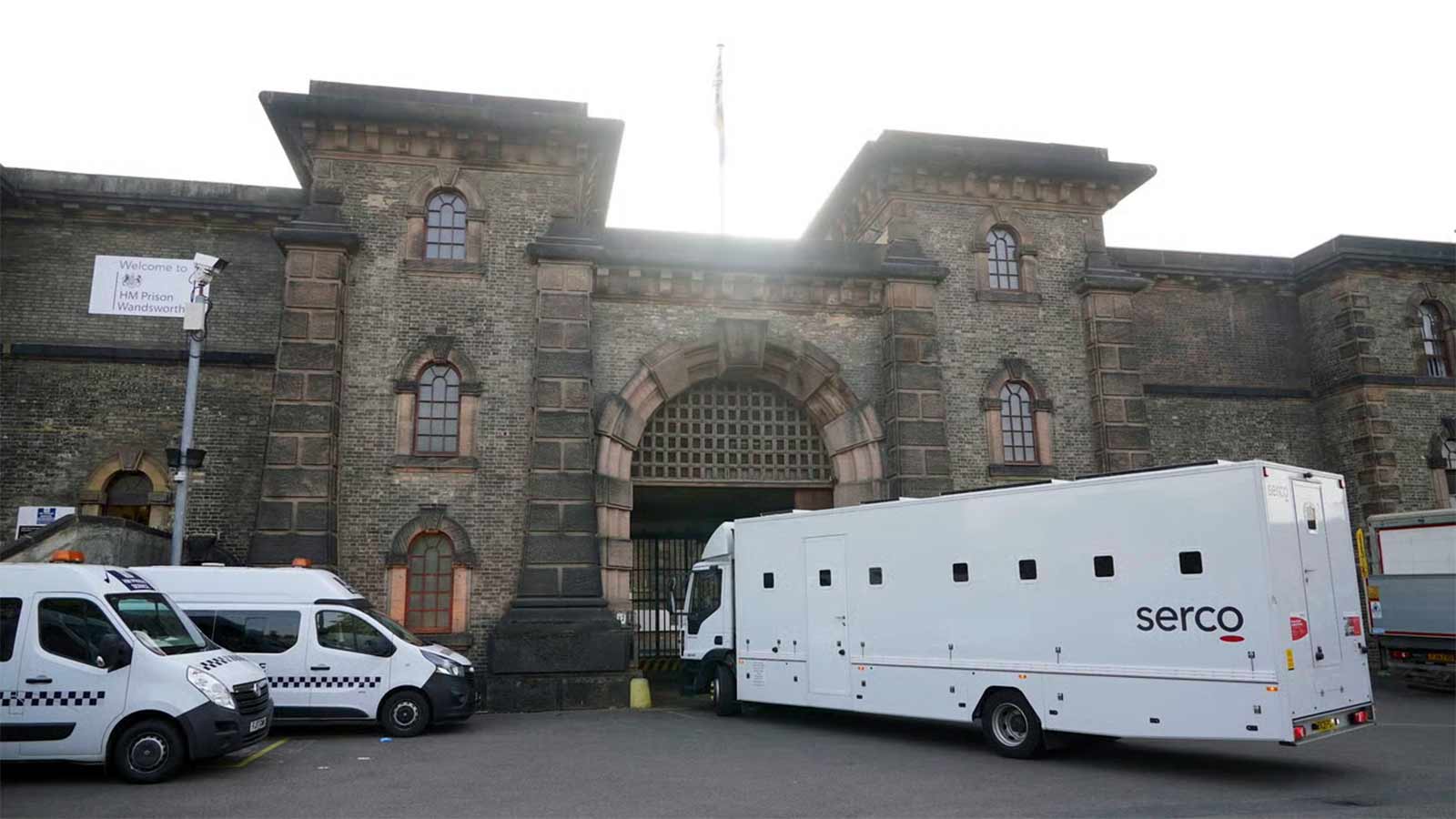
HMP Wandsworth, built in 1851, stands as one of London’s largest and oldest prison facilities. Originally designed for fewer than 1,000 inmates, overcrowding has become a persistent issue, with the population recently peaking at over 1,500. Reports from both independent monitors and the HM Inspectorate of Prisons have highlighted chronic staff shortages, poor living conditions, and a lack of effective inmate tracking. These problems are not new but have been exacerbated by recent incidents, bringing renewed scrutiny to the institution’s management.
The consequences of such systemic weaknesses are now painfully clear. The accidental release of two prisoners in one week—and a third just weeks before—has shaken public confidence in the prison system’s ability to maintain security and accountability.
Broader Implications: Is This a Systemic Failure?
The mistaken release of Brahim Kaddour-Cherif is more than just a single lapse. It is symptomatic of deeper, structural issues within Britain’s criminal justice system. As Justice Secretary Lammy acknowledged, ‘Victims deserve better and the public deserve answers.’ The independent investigation led by Dame Lynne Owens aims to address not only the specifics of Kaddour-Cherif’s release but also the broader pattern of accidental releases and administrative failures.
For many, this incident has become a litmus test for the government’s commitment to reform. Public safety, effective oversight, and transparency in the handling of offenders—particularly those convicted of serious crimes—are now under the microscope. The debate is likely to continue as the investigation unfolds and as authorities work to locate Kaddour-Cherif and prevent future errors.
As the manhunt continues, the story of Brahim Kaddour-Cherif serves as a stark reminder of the human consequences of bureaucratic failure. Behind every headline is a network of communities, victims, and officials grappling with the aftermath—and demanding change.
The accidental release of Brahim Kaddour-Cherif has exposed the fragile seams of the UK’s prison administration. It is not merely a procedural error, but a signpost pointing to deeper flaws in oversight, staffing, and communication. As the search for Kaddour-Cherif intensifies, so too must the resolve to reform a system that, for too long, has left both the public and vulnerable communities at risk.