
Quick Read
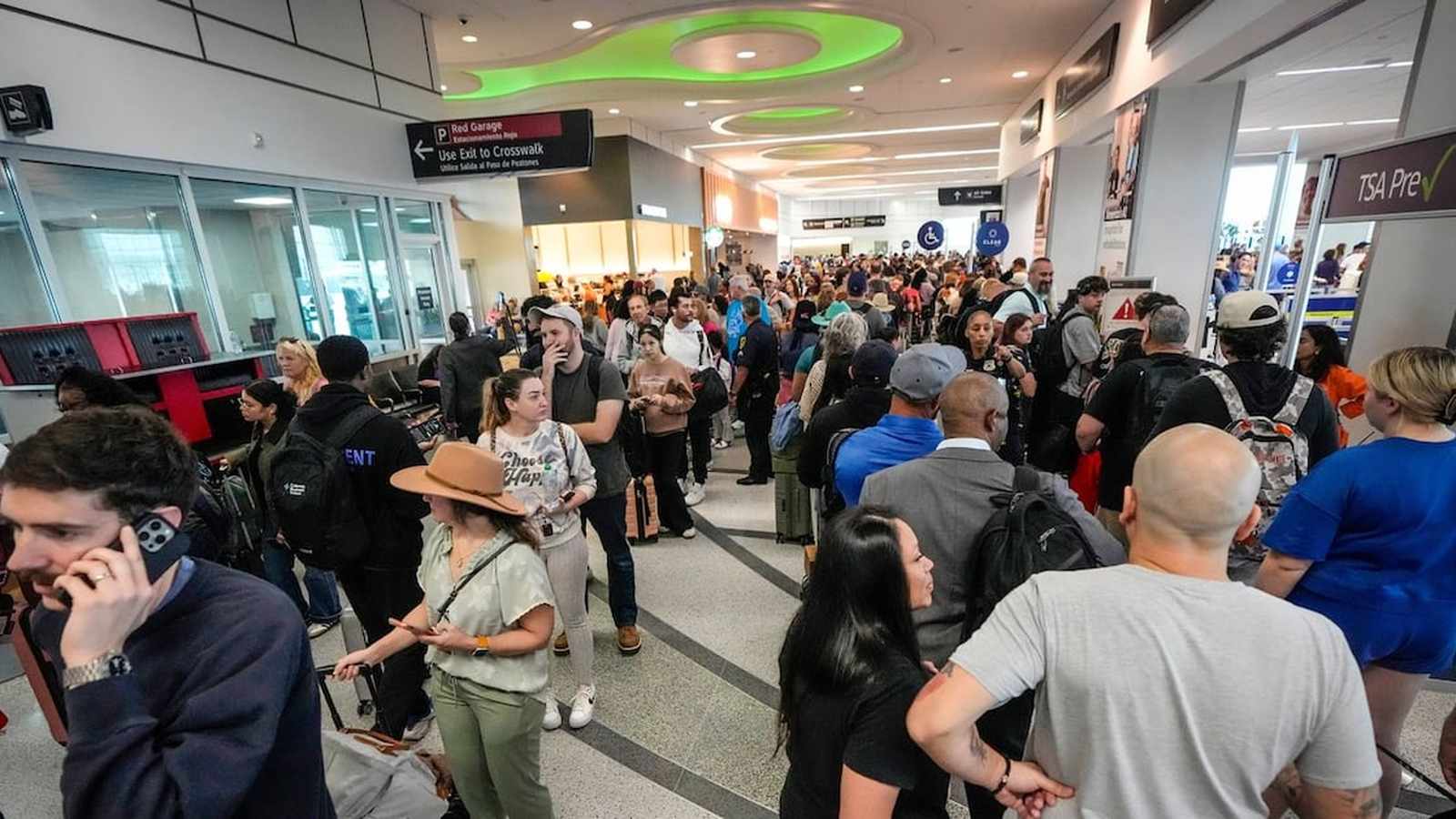
- Travelers to the U.S. face significant airport delays due to a partial government shutdown.
- Canadian interest in U.S. travel has declined by 43 percent compared to last year due to trade tensions.
- Regional institutions are leveraging the ‘March Madness’ period to host community and workforce development events.
Travelers heading into the United States for the annual March Break are facing increased scrutiny and potential delays as a partial U.S. government shutdown disrupts airport security operations. As millions of students and families prepare for the spring recess, reports from CTV News indicate that airports in major hubs—including Atlanta, Houston, and New Orleans—are experiencing significant wait times. While Canadian airports have not yet reported major customs backlogs, authorities are urging travelers to remain vigilant and check flight statuses frequently.
Shifting Travel Patterns Amid Trade Tensions
The travel landscape this year is further complicated by shifting consumer sentiment. A recent survey by Nanos Research found that 43 percent of Canadians are less likely to visit the U.S. compared to 2025, citing ongoing trade tensions between Ottawa and Washington. Many families are instead opting for domestic excursions or redirecting their plans to European destinations such as Greece and Portugal. For those remaining in or visiting regions like Niagara-on-the-Lake, local programming including the Butterfly Conservatory’s 30th-anniversary events and regional museum activities offer a reprieve from the logistical challenges of international travel.
March Madness and Regional Engagement
While travel remains a point of friction, the mid-March period is defined by intense sporting and community activity. The 2026 Big Ten men’s basketball tournament is currently in its quarterfinal stage, with games broadcast across the Big Ten Network and CBS, drawing significant national attention. The Indianapolis Star confirms that the tournament, which features top-seeded Michigan and Nebraska, has become a focal point for both fans and workplace culture. In Massachusetts, organizations like MassHire Berkshire are leaning into this “March Madness” energy, using the tournament season to boost employee engagement and promote workforce development initiatives, including the upcoming Spring Job & Resource Fair in Pittsfield.
Educational Programming and Local Initiatives
For families seeking structured activities during the break, historic sites in Springfield, Illinois, have launched their “History Comes Alive” programming. These events, ranging from 19th-century toy-making workshops to live performances at the Old State Capitol State Historic Site, provide a educational alternative to traditional vacation travel. These local programs are designed to engage youth and community members through interactive, hands-on history lessons, ensuring that the March Break period remains productive even for those who choose not to travel.
The confluence of U.S. administrative delays and shifting geopolitical sentiment suggests that this year’s travel season is being defined less by destination preference and more by a strategic pivot toward local, low-friction experiences that minimize exposure to cross-border logistical instability.