
Quick Read
- U.S. Secretary of State Marco Rubio called Venezuelan President Maduro’s regime ‘illegitimate’ and accused it of cooperating with Iran, Hezbollah, and drug traffickers.
- Rubio outlined U.S. priorities in the Russia-Ukraine conflict, Gaza crisis, and relations with Colombia and China, emphasizing diplomacy and national interest.
- He defended the Trump administration’s approach to foreign aid as a tool for advancing U.S. interests, not charity.
- Rubio’s claims about Hezbollah in Venezuela lack publicly disclosed evidence.
- Legal experts dispute the administration’s analogy between Latin American drug cartels and ‘war on terror’ combatants.
Rubio’s Foreign Policy Vision: Security, Stability, and National Interest
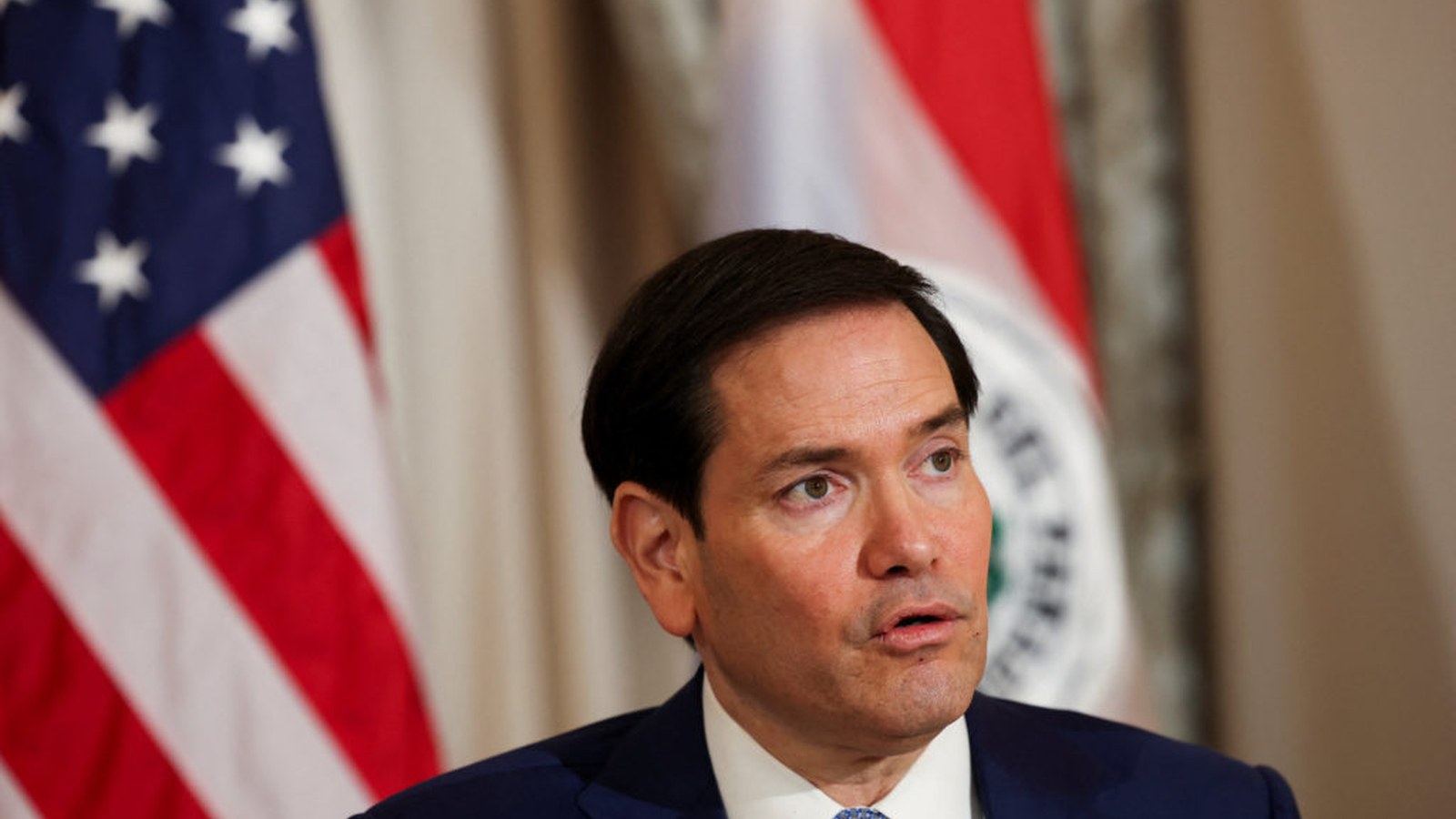
On December 19, 2025, U.S. Secretary of State Marco Rubio took the podium at the State Department’s annual year-end briefing. In a session marked by pointed questions and high-stakes global issues, Rubio laid out the Trump administration’s foreign policy strategy—an approach rooted in what he called ‘security, stability, and the national interest’.
Rubio’s remarks came at a time when U.S. diplomacy faces challenges on multiple fronts: escalating tensions with Venezuela, a fragile ceasefire in Gaza, and the ongoing war between Russia and Ukraine. The briefing, streamed live and followed by journalists worldwide, offered a rare window into the administration’s priorities and the balancing act required in modern geopolitics (Al Jazeera, PBS).
Venezuela: Denouncing Maduro and Warning of External Threats
Rubio was unequivocal in his characterization of Venezuelan President Nicolás Maduro’s government. He called the Maduro regime “illegitimate,” citing its alleged ties to Iran, Hezbollah, and international drug trafficking networks. Rubio argued that, prior to President Trump’s tenure, these accusations were widely acknowledged but largely unaddressed.
“We have a regime that’s illegitimate, that cooperates with Iran, that cooperates with Hezbollah, that cooperates with narco-trafficking and narco-terrorist organisations,” Rubio asserted. He claimed that the U.S. would not recognize Maduro’s presidency, framing Washington’s actions in the region as efforts toward ‘regional stability and security’.
One particularly striking allegation from Rubio was that Venezuela had invited Hezbollah and Iran to operate from its territory. While Trump allies have repeated these claims, it should be noted that the U.S. has not presented clear evidence of Hezbollah’s operational presence in Venezuela, especially following the group’s weakening after last year’s war with Israel. This distinction was reported by Al Jazeera, highlighting the lack of public evidence and the political motivations behind the charge.
Ukraine-Russia: Seeking Negotiated Settlement, Not Direct Involvement
The Russia-Ukraine conflict remains high on the administration’s agenda. Rubio pointed out that President Trump has held more meetings on Ukraine than any other foreign issue. Nevertheless, he stressed that “it’s a war on another continent,” signaling a reluctance for deeper U.S. involvement.
Rubio advocated for a negotiated settlement, emphasizing the need for both Ukraine and Russia to “give something.” The U.S. approach, as he described it, is to identify the bottom lines for both parties and “drive them towards each other to some agreement.” This pragmatic stance reflects an understanding of the limits of American influence and the complexity of European security dynamics.
Gaza: Diplomacy, Aid Blockades, and Peacemaking Realities
Questions about Gaza pressed Rubio on the humanitarian crisis that has followed the Trump-brokered ceasefire in October. According to Al Jazeera, Israeli military actions have resulted in the deaths of 395 people, including an average of two children per day, while aid and shelter remain critically limited due to Israeli restrictions.
Rubio sidestepped direct criticism of Israel, instead focusing on the arduous process of peacemaking. “Peacemaking isn’t just signing a piece of paper; it’s actually complying with it,” he said. He stressed that real peace requires “daily, constant follow up and nurturing.”
Looking ahead, Rubio outlined plans for a multinational stabilization force and the establishment of a Palestinian technocratic group to oversee daily governance. He noted that many nations are ready to support these efforts, but clarity on the mandate and funding mechanisms is still needed.
Colombia: Tensions with President Petro and Future Prospects
Rubio did not shy away from criticizing Colombia’s President Gustavo Petro, whom he labeled “unstable.” Despite Petro’s criticism of U.S. policy in the region, Rubio maintained that the relationship with Colombia is vital—spanning commercial, cultural, and security dimensions. He expressed relief that Colombia will soon elect a new president, indicating hope for smoother relations ahead.
China: Balancing Cooperation and Competition
Rubio addressed the ongoing complexities of U.S.-China relations, acknowledging that both countries understand the need to cooperate on global challenges, even as tensions persist. “If there’s a global challenge that China and the US can work together on, I mean, we can solve it,” he said. The emphasis was on balancing rivalry with pragmatic engagement—a theme that continues to shape U.S. foreign policy in 2025.
Foreign Aid: A Tool for National Interest
The Trump administration has redefined the role of foreign aid, bringing USAID under the Secretary of State’s direct control and cutting funding to major international programs. Rubio described foreign aid as “not charity,” but rather a strategic tool to advance American interests abroad. “Foreign aid is not a separate activity of the United States government. It is an element and a tool of our foreign policy, and it should be used for the purpose of furthering the national interest,” he declared.
Controversy: The ‘War on Terror’ Analogy in Latin America
Rubio and his allies have defended the administration’s aggressive strikes on suspected drug boats in Latin America by invoking the “war on terror.” However, legal experts have challenged this analogy, arguing that drug cartels do not fit the definition of combatants in an armed conflict. As John Walsh of WOLA explained to Al Jazeera, cartels are focused on profit, not waging war against governments. This debate illustrates the tension between rhetoric and reality in U.S. anti-narcotics policy.
Conclusion: Diplomacy’s Daily Grind in a Turbulent World
Rubio’s briefing highlighted the Trump administration’s blend of hard-nosed realism and selective engagement. From Venezuela’s contested legitimacy to the complexities of peacemaking in Gaza, the U.S. is navigating a world where clear answers are elusive and every decision is subject to intense scrutiny. As 2025 draws to a close, the rhythm of diplomacy—sometimes painstaking, sometimes pragmatic—remains the heartbeat of America’s global posture.
Rubio’s statements reflect an administration focused on advancing U.S. interests through assertive diplomacy, yet the lack of concrete evidence behind some of his claims, especially regarding Venezuela and Hezbollah, underscores the ongoing challenges of balancing rhetoric with factual accountability in foreign policy. (Al Jazeera, PBS)