
Quick Read
- Malacañang announced openness to a lifestyle check on the Marcos family after corruption allegations.
- Sandro Marcos’ district was identified as a top beneficiary of public infrastructure funds for 2023–2025.
- Congressman Sandro Marcos volunteered for investigation by the Independent Commission for Infrastructure.
- President Ferdinand Marcos Jr. has read the investigative report and trusts his son to address the issue.
Marcos Family Faces Scrutiny Over Lifestyle and Public Funding
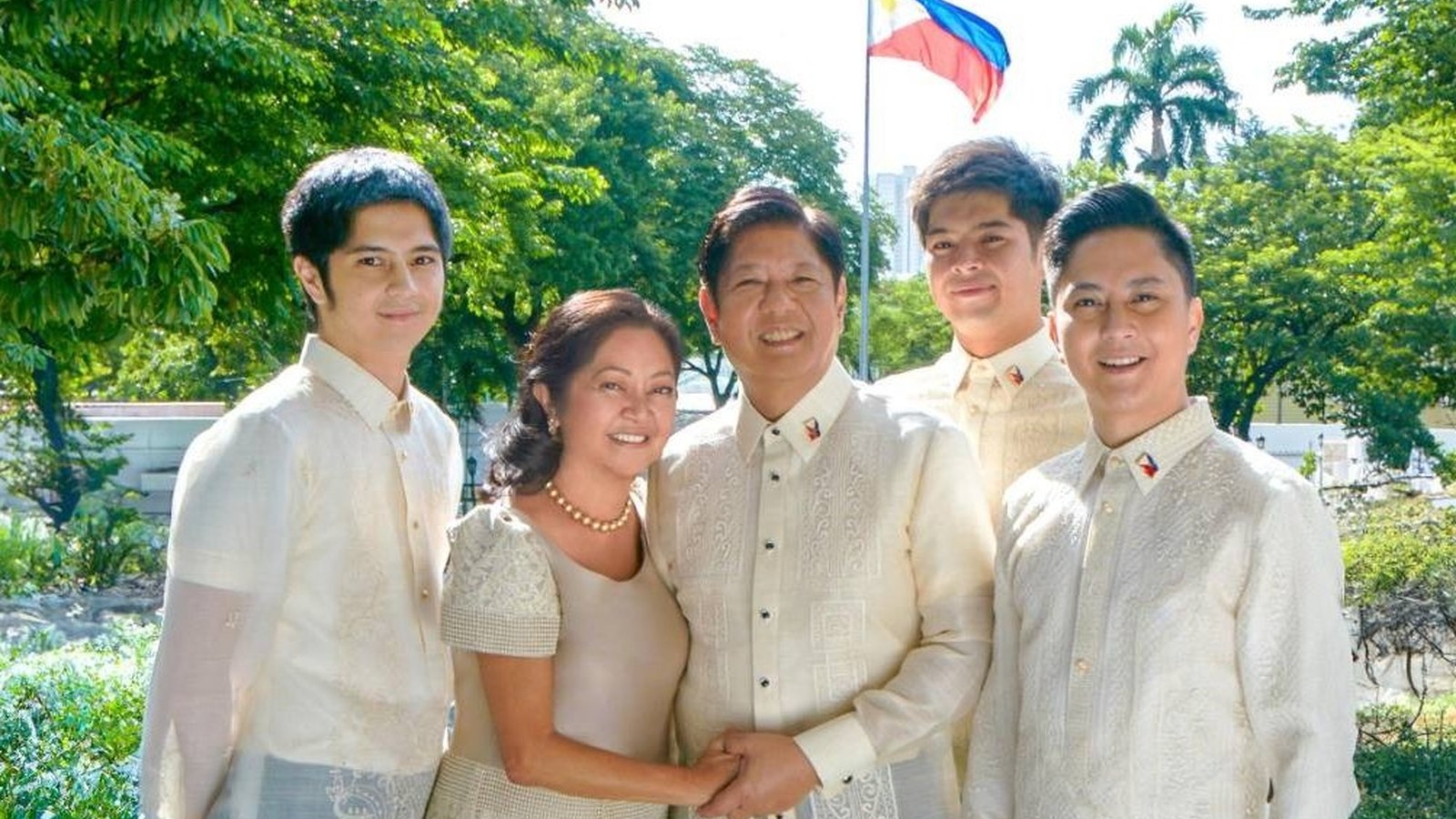
The Marcos family, one of the Philippines’ most prominent political dynasties, finds itself under the microscope yet again. This time, the spotlight is on allegations of corruption and questions about how government funds are allocated to their home district. On Tuesday, Malacañang—home of the country’s executive leadership—took a clear stance: it is open to a potential lifestyle check on the Marcos family, including President Ferdinand “Bongbong” Marcos Jr. and his son, Congressman Sandro Marcos.
Government Signals Transparency Amid Investigative Pressure
Presidential Communications Office (PCO) Undersecretary Claire Castro publicly confirmed the administration’s openness. “There’s nothing prohibiting a lifestyle check, for anyone,” she stated when pressed about whether the Palace would allow such an inquiry into the Marcos family and Sandro Marcos, who represents Ilocos Norte’s 1st District in Congress.
The timing is notable. The Philippine Center for Investigative Journalism (PCIJ) recently released a report showing that Sandro Marcos’ district ranked among the top recipients of the Department of Public Works and Highways’ (DPWH) allocable funds between 2023 and 2025. This revelation has raised eyebrows and fueled speculation about whether political privilege is translating into disproportionate benefits for the Marcos stronghold.
Congressman Sandro Marcos Responds: Willing to Be Investigated
Facing the swirl of allegations, Sandro Marcos has not shied away. According to Castro, he has volunteered to face an investigation by the Independent Commission for Infrastructure (ICI). “He said he will go to the ICI himself so he can be investigated. He just needs to be given a date so the proper schedule can be set,” she explained, highlighting a proactive response from the young lawmaker.
This move is significant in a nation where transparency from public officials is often demanded but not always delivered. For the Marcos family, whose legacy has long been shadowed by accusations of ill-gotten wealth and historical controversies, openness to scrutiny could be seen as an attempt to shift the narrative or at least address public skepticism head-on.
President Marcos Jr. Reads the Report, Trusts Son’s Judgment
President Ferdinand Marcos Jr., who has himself been the subject of intense media attention since taking office, has reportedly read the PCIJ report. Yet, when asked for the President’s reaction to the funding issue, the Palace took a step back. Castro indicated that the President prefers to let his son handle the matter directly. “The President knows Congressman Sandro Marcos understands what he is doing and knows how to respond,” she remarked.
This hands-off approach sends a dual message: trust in the next generation of the Marcos family, and confidence in the established mechanisms of accountability—at least publicly. It also reflects the broader challenge facing the administration: balancing family loyalty with the demands of governance in a society acutely sensitive to corruption and abuse of power.
Context: Why Lifestyle Checks Matter in Philippine Politics
Lifestyle checks are investigative processes meant to verify whether a public official’s assets, spending, and standard of living match their lawful income. In the Philippines, they have become a symbol of transparency, although their effectiveness is often debated. The openness of the Marcos family to such a probe is noteworthy given the historical baggage they carry and the current climate of heightened scrutiny.
For many Filipinos, the issue is not just about one family, but about the integrity of public institutions and the equitable distribution of national resources. With Sandro Marcos’ district emerging as a top beneficiary of infrastructure funds, questions naturally arise: Are these allocations justified? Or do they reflect the enduring influence of political clans?
Looking Ahead: Potential Impact of the Investigation
As the Independent Commission for Infrastructure schedules its review, the outcome could have far-reaching implications. If the investigation confirms that allocations were above board, the Marcos family could use the findings to reinforce their claims of transparency and good governance. If not, it could reignite public debate about political favoritism and accountability in the Philippines.
For now, the Palace’s message is clear: no one is above scrutiny. Whether this commitment will translate into meaningful change or merely serve as political theater remains to be seen. In an environment where public trust is fragile, every step toward transparency is watched closely—not just by critics, but by ordinary citizens hoping for a fairer system.
The Marcos family’s openness to a lifestyle check signals an effort to confront growing scrutiny and corruption allegations head-on. While Sandro Marcos’ voluntary participation in an investigation is a positive gesture, the real test will be whether these actions lead to genuine accountability and public trust, or if they merely reinforce the status quo of political dynasties defending their turf.