
Quick Read
- Mark Carney’s first federal budget introduces major spending cuts and tax system reforms.
- Budget aims to boost competitiveness amid U.S. trade tensions and cost-of-living crisis.
- Deficit could reach $70-100 billion, far higher than previous estimates.
- Support from opposition parties is crucial for budget passage in minority parliament.
- Defense spending will increase to meet NATO targets; tree-planting commitments are scaled back.
Major Spending Cuts and Tax Overhaul: The Heart of Carney’s Budget
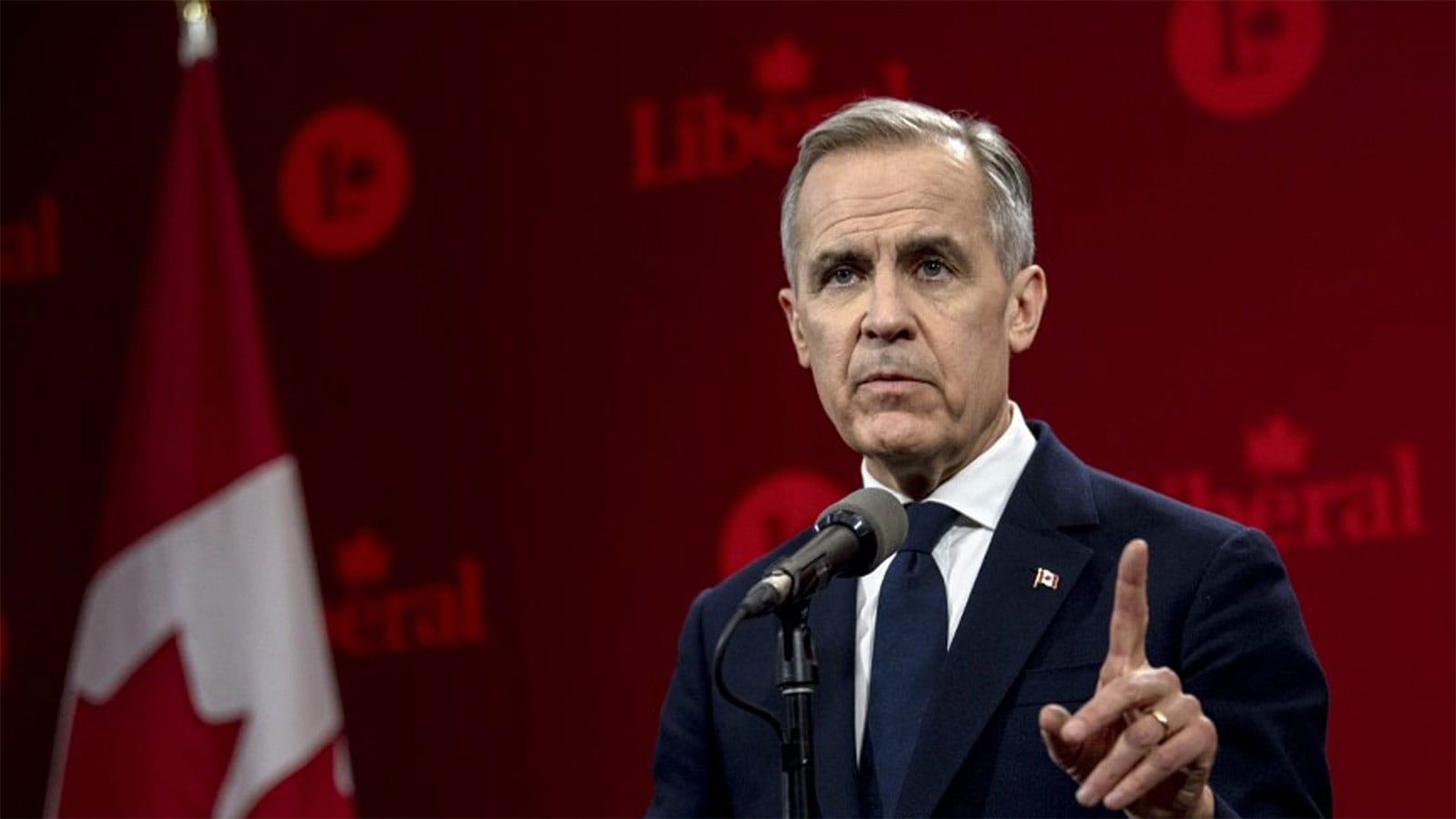
Prime Minister Mark Carney is preparing to unveil his first federal budget, a plan poised to reshape Canada’s fiscal landscape at a time of economic and political turbulence. At its core, the budget promises significant cuts—tens of billions in savings over the coming years—as Carney’s government faces the twin challenges of a brewing trade war with the United States and a stubborn cost-of-living crisis.
According to a senior government official, the budget is designed to enhance competition and spur economic growth. The administration intends to announce major changes to Canada’s tax structure, including reforms to the capital cost allowance system. This will allow businesses—especially those in steel, aluminum, and automotive sectors battered by U.S. tariffs—to write off depreciable assets such as machinery and vehicles more effectively. While detailed specifics remain under wraps, the official emphasized that these adjustments aim to eliminate investment risks and attract new capital to Canada.
What’s different this time? The budget will introduce a new format: operational spending (daily government program funding) will be separated from capital expenditures (long-term investments). The operational budget is slated to reach balance within three years, while capital investments will be ramped up in areas considered critical for Canada’s future.
Generational Investments and Defense Spending: Balancing Sacrifice with Ambition
Finance Minister François-Philippe Champagne has described the budget as a blueprint for “generational investments.” At a press conference in Quebec, Champagne promised that “everyone will see themselves in that budget,” signaling an attempt to address concerns across the political spectrum. His message: Canada is shifting “from reliance to resilience, from uncertainty to prosperity.”
One area set for dramatic growth is defense. The budget will include a notable increase in military spending as Canada commits to meet NATO’s target of allocating two percent of GDP to defense by March 31—a move underscored by rising global tensions and the need to reassure international allies.
On the social and environmental front, the government will scale back its previous tree-planting commitment. Originally, the plan was to plant two billion trees by 2031, but now only contracts for one billion trees will be maintained—a reflection of ongoing struggles to meet ambitious climate targets set during Justin Trudeau’s administration.
Political Negotiations and Minority Government Pressures
Carney’s budget arrives at a delicate political moment. The Liberals currently hold a minority in Parliament and are three votes short of passing the budget on their own. This means securing support from opposition parties is essential—not just for fiscal plans, but for the government’s survival.
The Conservative Party, led by Pierre Poilievre, has laid out its terms: eliminate the industrial carbon tax and capital gains tax, and lower taxes on energy and homebuilding. Poilievre has signaled his party may support an “affordable” budget, but the details will determine their final position. The Bloc Québécois demands increased Old Age Security payments and higher health transfers to provinces as non-negotiable prerequisites for support. The NDP, led by interim leader Don Davies, is focused on job creation and the needs of working Canadians, leaving “all options on the table” ahead of the vote.
Negotiations are ongoing and tense. Fred DeLorey, a Conservative strategist, put it plainly: “It’s not the opposition’s job to pass the budget. The government has to make the case and get the vote. And if they don’t, that’s on them.” The risk of an election looms large if Carney cannot secure sufficient backing—a scenario both the Conservatives and NDP are wary of, given current public fatigue with political instability.
Finance Minister Champagne, in a symbolic gesture, purchased a new pair of Quebec-made Boulet Boots before budget day—signaling a commitment to Canadian industry and local investment. Yet, symbolism alone may not win votes in a divided Parliament.
Deficit Projections and Fiscal Realities
Despite promises of fiscal discipline, deficit figures in Carney’s budget are expected to be daunting. The deficit could soar to between $70 billion and $100 billion, far above previous estimates of $42 billion. This spike reflects both the cost of “generational investments” and the impact of the U.S. trade war, which has hit Canadian exporters hard.
The government’s expenditure review—started over the summer—has identified targeted savings by streamlining service delivery, recalibrating programs, and modernizing operations. However, these savings are up against the realities of ongoing commitments and rising demands, especially as Canadians contend with inflation and economic uncertainty.
Health care remains a contentious issue. Programs like the Non-Insured Health Benefits scheme continue to cover less than provincial and territorial standards, a gap highlighted by critics who argue the Canada Health Act promises equivalent care nationwide. These disparities, alongside mounting fiscal pressures, underscore the balancing act the Carney government faces.
The Road Ahead: Stakes and Uncertainties
As budget day arrives, Canada’s political landscape is charged with anticipation—and anxiety. Carney has made clear he’s ready to defend the budget, even in the face of a potential election. With opposition parties holding the cards, the fate of his administration may hinge on last-minute negotiations and the ability to deliver on promises that resonate with a diverse electorate.
The budget’s legacy will be determined not just by its fiscal numbers, but by its impact on everyday Canadians and the nation’s economic resilience in the face of external shocks. As Champagne put it, “We’re moving from reliance to resilience.” But with deep cuts, ambitious reforms, and political uncertainty, the journey ahead will test both the government’s resolve and the country’s patience.
Mark Carney’s first budget is more than a set of fiscal measures—it is a test of leadership and negotiation in a polarized Parliament. The scale of proposed cuts and investments reveals an administration willing to make hard choices, but the outcome will depend on whether the government can unite enough voices to steer Canada through economic and political headwinds. The stakes, both for Carney and for Canadians, could not be higher.