
Quick Read
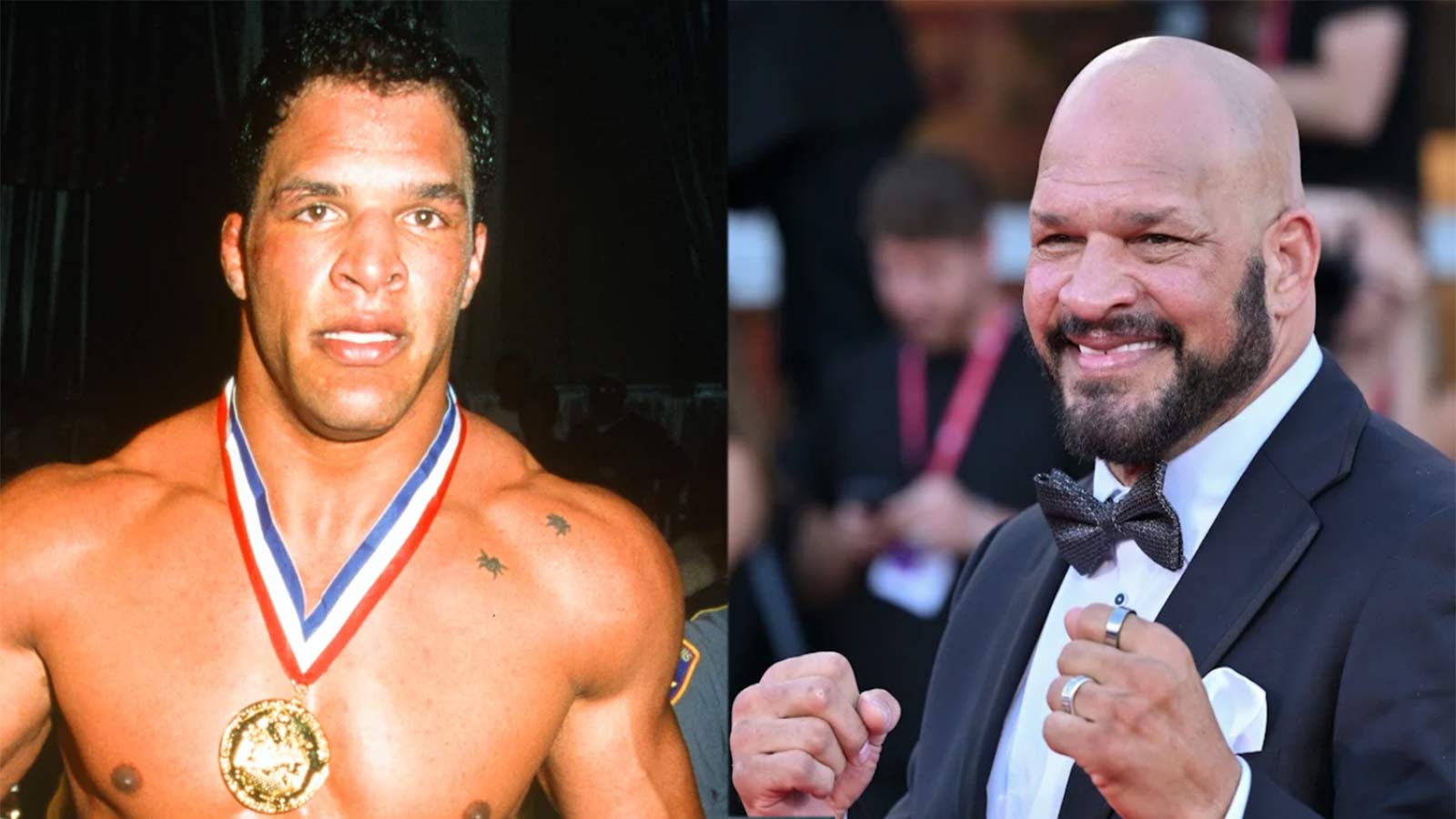
- ‘The Smashing Machine’ is a biographical drama about MMA legend Mark Kerr, starring Dwayne Johnson.
- Johnson’s performance has been critically acclaimed, despite the film’s poor box office showing ($19M vs. $50M budget).
- Director Benny Safdie insisted on an honest ending, showing the real Mark Kerr post-recovery.
- The film explores addiction, loss, and grace, marking a career-defining shift for Johnson.
- Some critics praise the realism; others cite uneven pacing and reliance on its source documentary.
Mark Kerr: The Man Behind ‘The Smashing Machine’
Every sport has its legends, but few stories cut as deep as that of Mark Kerr. Once crowned as one of the most fearsome MMA fighters on the planet, Kerr’s journey is not just one of physical triumph, but of inner turmoil and resilience. His life, now immortalized in the gritty biographical drama The Smashing Machine, forces audiences to grapple with the messy realities that fame and fortune rarely solve.
Dwayne Johnson’s Bold Leap: Portraying Kerr’s Pain and Perseverance
For years, Dwayne Johnson has been Hollywood’s go-to action hero, known for his charm and physical prowess. But stepping into Mark Kerr’s shoes, Johnson abandons the safety of happy endings and blockbuster formulas. Under the direction of Benny Safdie, Johnson transforms—both literally and emotionally—into a man haunted by addiction, broken relationships, and the pressure to win at all costs.
In interviews, Johnson described the challenge: “I have been so hungry for this challenge, and it’s finally here. The train has left the station, and there’s no turning back.” The role demanded a grueling physical transformation, with renowned makeup artist Kazu Hiro applying 23 prosthetics to sculpt Johnson into Kerr’s battered visage. The process was so intense that Johnson spent hours in the makeup trailer, watching himself disappear and Kerr emerge. He gained 30 pounds of muscle and lost himself in the character’s scars, cauliflower ears, and haunted eyes.
But the transformation wasn’t just skin deep. Johnson’s performance is raw and revelatory, stripping away his usual bravado to reveal a man battered by his own demons. Critics have hailed it as “Oscar-worthy,” with Herald Online noting, “Johnson’s portrayal of Kerr is raw and revelatory. He strips away his usual bravado to reveal a man broken by fame, pain, and the brutal demands of his sport.”
An Un-Hollywood Ending: Integrity Over Triumph
From the outset, there was pressure on Safdie and Johnson to give audiences a triumphant finale. The usual Hollywood instinct was to “make it seem like he still wins big at life,” as Johnson recalled. But Safdie resisted. “Let’s make a movie that’s as real as it gets,” he insisted. The truth of Kerr’s story isn’t neat—he doesn’t win, he loses almost everything. The film’s most powerful moment comes not in victory, but in quiet acceptance: Kerr, stitched up after defeat, laughing in the shower—not because he’s given up, but because, for the first time, he’s free of the crushing pressure to win.
Safdie’s unconventional direction amplifies this realism. Fight scenes are shot from outside the ring, and the jazz-infused score is chaotic and immersive. The movie’s ending, featuring the real Mark Kerr buying groceries, is a jolt of authenticity. Johnson initially balked at the idea, worried it would confuse viewers who’d just watched him embody Kerr for two hours. But Safdie argued, “If I show the real Mark and the audience has been with you for the past two hours, I think the audience will appreciate your performance even more when they hear Mark Kerr speak. They see him walk his certain way, his demeanor, his kindness, and his soft-spokenness.”
In the end, Johnson agreed: “If we show the real Mark at the end, how he is in real life today—happy, sober, grateful for life—that’s letting the audience know you could get knocked down in life, but if you have hope and a little bit of courage, everything will be okay.”
Critical Response: Acclaim, Debate, and Box Office Realities
The film debuted to strong reviews at the Venice and Toronto International Film Festivals, with particular praise for Johnson’s transformative performance. Emily Blunt, playing Kerr’s girlfriend Dawn Staples, adds emotional depth. MMA figures like Ryan Bader and Bas Rutten bring authenticity to the supporting cast.
Yet, The Smashing Machine hasn’t been immune to criticism. Some reviewers find its pacing uneven or feel it leans too heavily on the original 2002 documentary. Others argue it lacks the emotional punch of genre-defining classics like Raging Bull. Still, for many, the film marks a turning point for Johnson—proof that he’s more than just a blockbuster star.
Commercially, the movie fell short. Despite a $50 million budget (as cited by Variety), it made only $19 million at the box office, marking the lowest opening weekend of Johnson’s career. But Johnson remains unfazed. In a candid interview with Post Wrestling, he reflected, “Even though we didn’t do well at the box office, it was okay because it just represented the thing I did for me.” For Johnson, the film’s value lies in its honesty and its impact on his own life.
Beyond the Ring: Addiction, Recovery, and the Search for Grace
Mark Kerr’s story is more than a sports drama; it’s a meditation on addiction, recovery, and the elusive search for grace. At his peak, Kerr was unstoppable—a titan in a sport that was then the wild west. But addiction and a volatile relationship nearly destroyed him. The film does not shy away from these dark chapters, depicting overdoses and personal loss with a matter-of-fact sensitivity.
What resonates is the humanity at the core. Safdie asked, “What if we made a film where winning became the enemy and losing could wind up becoming one of life’s greatest blessings?” It’s a radical notion, but one that fits Kerr’s journey. The film’s closing scenes, with Kerr content and sober, are a quiet testament to resilience. Audiences may not leave the theater “high-fiving,” but they do leave with a deeper understanding of what it means to survive and find peace.
Impact on Johnson and the Future
For Johnson, The Smashing Machine is more than just a role—it’s a turning point. He’s already set to tackle more challenging projects with directors like Scorsese and Aronofsky. The experience changed him: “This film changed my life in ways that I didn’t anticipate.” Johnson’s willingness to embrace vulnerability marks a new chapter in his career—one where authenticity trumps commercial success.
As for Mark Kerr, the real man behind the myth, the film offers something rare: dignity. By refusing to sugarcoat his story, Safdie and Johnson have crafted a narrative that honors not just the fighter, but the flawed, resilient human being within.
Assessment: ‘The Smashing Machine’ stands as a raw, honest portrait of struggle and survival, redefining Dwayne Johnson’s career and marking a new standard for biographical sports dramas. Its lack of commercial success does not diminish its impact; rather, the film’s integrity and emotional depth set it apart, inviting audiences to reconsider what victory truly means.