
Quick Read
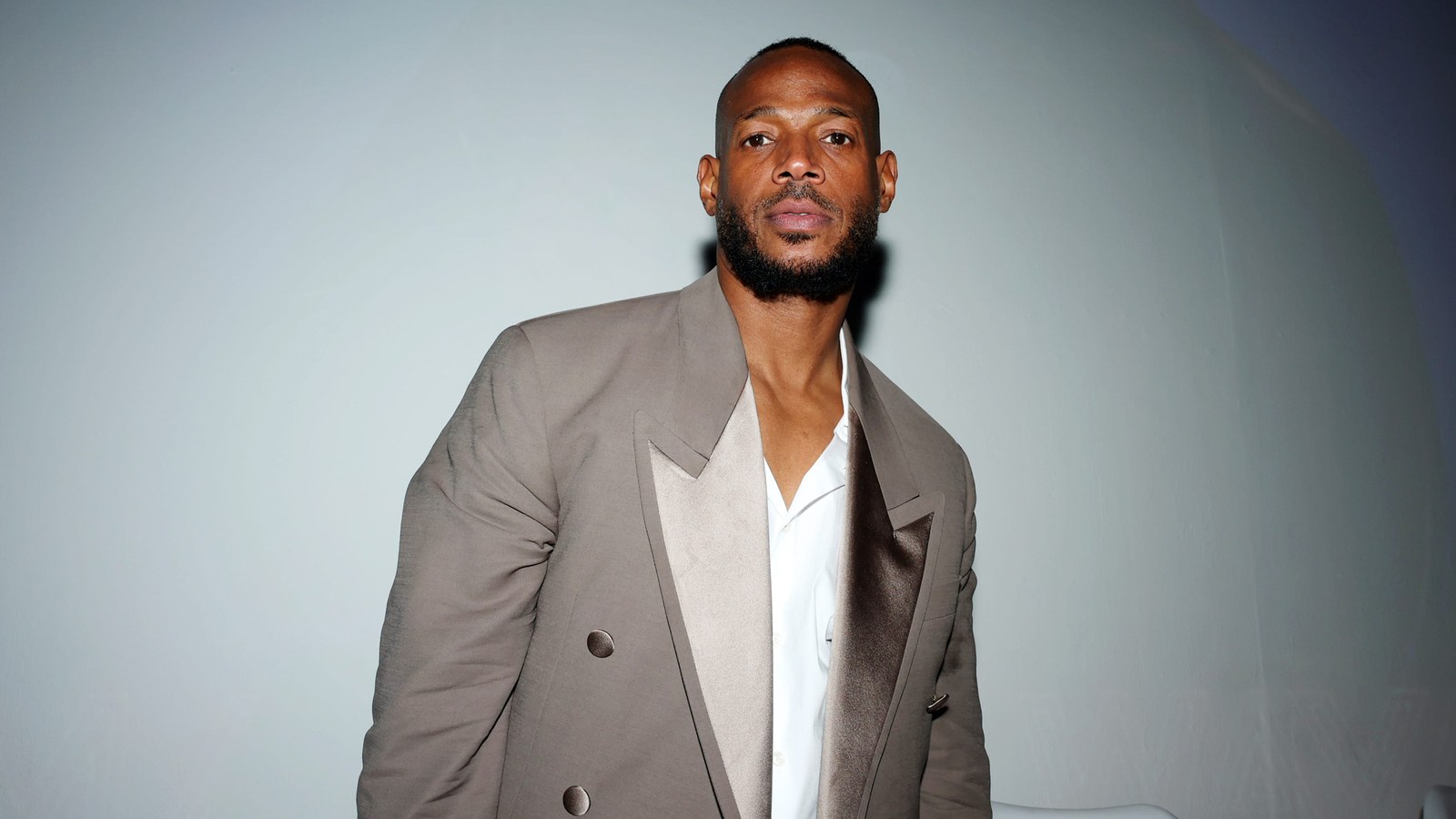
- Marlon Wayans and 50 Cent engaged in a public online feud after Wayans commented on 50 Cent’s documentary about Diddy.
- Wayans criticized 50 Cent for “kicking a man when he’s down,” referencing ongoing disputes in hip-hop.
- 50 Cent responded with a meme targeting Wayans, which Wayans countered with his own edited photo.
- The feud coincided with the success of 50 Cent’s Netflix documentary, “Sean Combs: The Reckoning.”
- Both artists have not issued further responses, leaving the public to speculate on the future of their relationship.
Marlon Wayans and 50 Cent: How a Viral Feud Became a Lens on Hip-Hop’s Accountability
In late 2025, the hip-hop world found itself captivated by a clash between two of its most recognizable figures: comedian and actor Marlon Wayans and rapper-producer Curtis “50 Cent” Jackson. Their spat unfolded largely online, drawing headlines and social media chatter, but beneath the surface, the exchange revealed deeper tensions and questions about the culture of accountability in the music industry.
What Sparked the Feud?
The latest round of jibes began on December 9, when Marlon Wayans appeared on The Cruz Show, just days after the premiere of Sean Combs: The Reckoning on Netflix—a documentary produced by 50 Cent himself. Wayans was asked about the new show, which touches on long-standing rumors and controversies surrounding Sean “Diddy” Combs, including alleged links to the deaths of Tupac Shakur and The Notorious B.I.G.
Wayans described the dispute between 50 Cent and Diddy as deeply “personal,” remarking, “It’s between him and Puff, it’s between both of them and God. Just the way Puff is down on his luck and 50 is kicking a man when he’s down. If 50 ever, luck turn on 50, you know that you got to be careful when you put out. There’s a karma to every action that you do.”
His comments quickly went viral, catching the attention of 50 Cent, who is no stranger to public beefs and pointed responses.
Social Media Escalation: From Jibes to Memes
50 Cent responded on Instagram, posting an edited photo of Marlon Wayans in character from “White Chicks”—a nod both to Wayans’ comedic legacy and, perhaps, a subtle jab. His caption was short and sharp: “Keep my name out your mouth boy.” This was a typical move for 50 Cent, who has built much of his public persona on quick-witted, often cutting social media posts.
Wayans fired back with his own meme, this time using a still from “12 Years a Slave”—replacing Chiwetel Ejiofor’s face with that of 50 Cent and writing, “Now let’s think about this 50.” The back-and-forth continued to draw attention, but notably, while 50 Cent later deleted his post, Wayans left his up, underscoring his willingness to stand by his remarks.
As of this writing, neither artist has further responded, leaving fans and commentators to speculate about the next move.
The Documentary and Its Ripple Effect
The feud did not happen in a vacuum. The backdrop is Sean Combs: The Reckoning, a four-part documentary directed by Alex Stapleton, which has quickly become one of Netflix’s top trending shows according to Gold Derby. The documentary features interviews with notable figures such as Aubrey O’Day, Mark Curry, and Greg Kading, and explores complex questions about Diddy’s legacy and unresolved controversies.
In an interview with Gold Derby, 50 Cent admitted he never expected the show to outpace major franchises like “Stranger Things.” He advised Stapleton to prepare an awards speech, sensing early on that the documentary would be a hit, though the scale of its success surprised even him.
50 Cent’s willingness to tackle controversial topics—especially those others in the industry have avoided—was a focal point. “If I wasn’t saying the things that you heard me say, there would be nothing being said at all. You would assume that the culture [condones] those behaviors,” he told Gold Derby.
His approach has drawn both praise and criticism. Some call him “petty” for producing a documentary about Diddy, his long-time rival, but 50 Cent seems unfazed, openly accepting the label. For him, the story is less about rivalry and more about bringing issues to light that the hip-hop industry tends to sweep under the rug.
What Does This Say About Hip-Hop Today?
The Wayans-50 Cent feud is entertaining, sure. But it also spotlights a deeper issue: the reluctance within hip-hop to speak openly about controversial topics, especially those involving powerful figures. Wayans’ comments about karma and kicking someone when they’re down hint at a broader unease—how much responsibility do artists have to each other, and to their audience, in moments of crisis?
50 Cent’s response, both through his Instagram posts and the documentary itself, positions him as both provocateur and whistleblower. He suggests that silence can be complicity, and that it’s better to risk being “petty” than to ignore uncomfortable truths. Whether fans agree or not, it’s clear that these exchanges are pushing the conversation forward, forcing industry insiders and the public alike to confront long-standing tensions.
Meanwhile, the use of memes and edited photos demonstrates how modern celebrity disputes play out not just in interviews and news articles, but in the rapid-fire, often humorous world of social media. These platforms allow artists to shape their narratives—and their rivalries—directly with fans, amplifying both the entertainment value and the stakes.
Where Do Things Stand Now?
At the moment, the feud between Marlon Wayans and 50 Cent has cooled, at least publicly. No further posts have been made, and both seem content to let their words—and their memes—speak for themselves. The documentary continues to trend, sparking debate about its subject matter and about the motivations behind its creation.
For Wayans, the experience underscores the risks of speaking out, especially when commenting on industry power dynamics. For 50 Cent, it’s another chapter in a career marked by bold moves and unapologetic commentary.
As fans and observers watch for the next development, one thing is clear: the intersection of personal rivalry and public accountability in hip-hop is as complex—and compelling—as ever.
While the feud itself may be fleeting, its impact lingers. The public exchange between Marlon Wayans and 50 Cent is a reminder that beneath the entertainment and meme-worthy moments, the hip-hop industry is grappling with serious questions about transparency, power, and the cost of silence. In this sense, their spat is more than just gossip—it’s a window into the evolving values of a cultural powerhouse.