
Quick Read
- England’s current Six Nations performance is facing intense scrutiny for lacking the tactical discipline once defined by Martin Johnson.
- Martin Johnson’s ongoing role as a tournament analyst has highlighted the gap between current squad leadership and his own high-standard era.
- The pressure to replicate the success of the 2003 World Cup-winning side remains a primary obstacle for England’s current coaching staff.
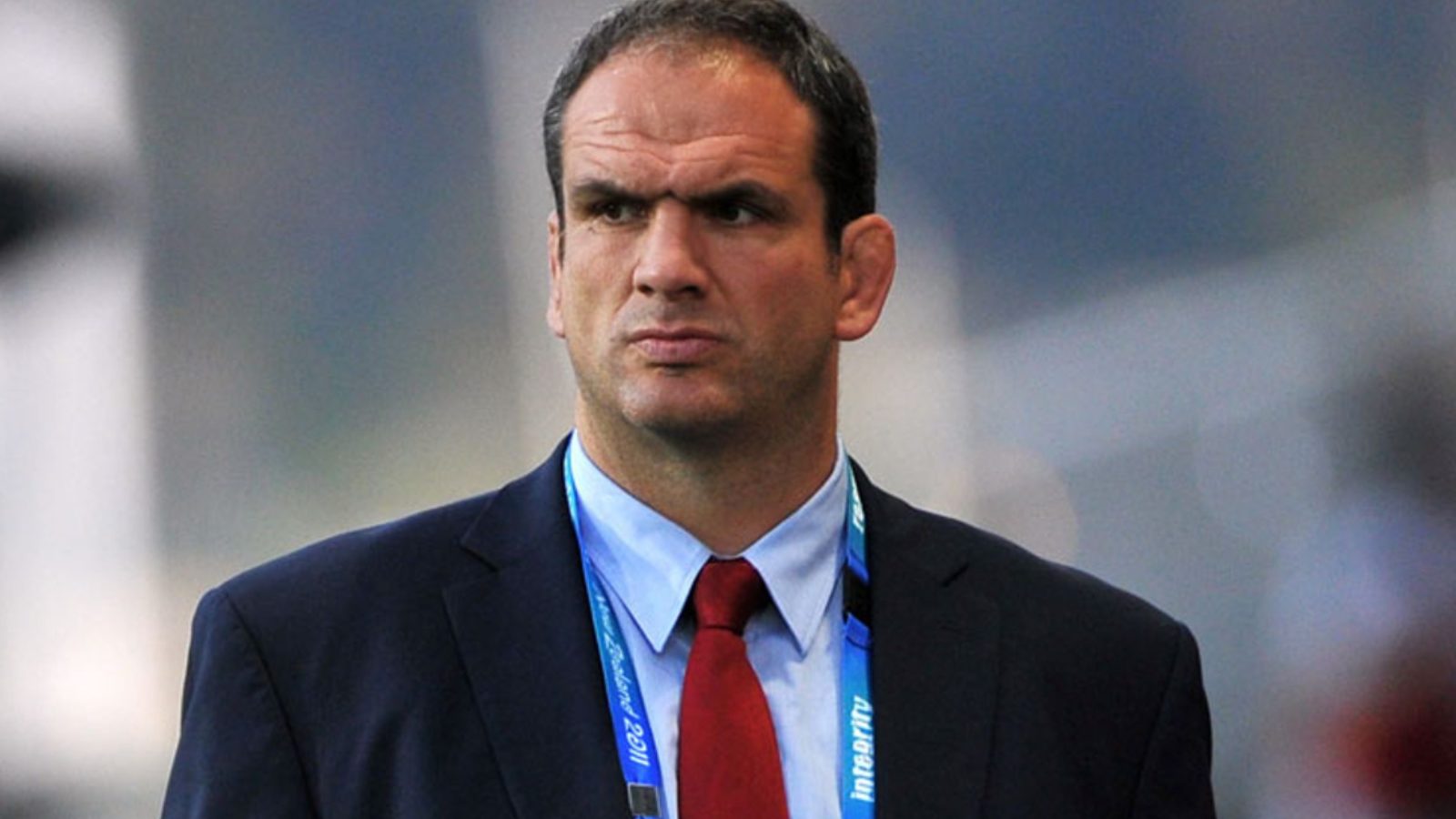
LONDON (Azat TV) – As the 2026 Six Nations tournament reaches a pivotal stage this March, the shadow of Martin Johnson continues to loom large over Twickenham. With England’s campaign marked by inconsistent performances and tactical scrutiny, the discourse among fans and analysts has increasingly turned toward the leadership standards set during the tenure of the former World Cup-winning captain and head coach.
The Search for Johnson-Era Discipline
The modern English squad is currently grappling with the same high-stakes pressure that characterized the early 2000s, yet critics argue the current side lacks the singular, iron-willed authority that Johnson brought to the pitch. As a captain, Johnson was defined by his uncompromising physicality and a tactical clarity that left little room for error. Observers note that as the current team struggles to close out tight matches, the absence of a comparable figurehead who commands total command of the forward pack is becoming a defining narrative of their tournament.
Leadership in the Modern Rugby Context
The conversation surrounding Johnson’s legacy has intensified as he continues his role in high-level tournament analysis. By offering expert insights into the technical failures of the current pack, Johnson has inadvertently highlighted the widening gap between the clinical efficiency of his era and the experimental, often disjointed, style of the present day. For supporters, these analytical contributions serve as a reminder of the standards required to secure silverware in the Six Nations, placing additional weight on the shoulders of the current coaching staff and leadership group.
The Stakes of England’s Performance
England’s performance in this year’s tournament is more than a matter of points on the table; it represents a test of the team’s identity. The legacy of the 2003 era remains the benchmark for success, and current failures are frequently measured against the structural integrity that defined Johnson’s captaincy. With the tournament entering its final rounds, the demand for a return to a more pragmatic, forward-dominated game plan has reached a fever pitch, forcing a direct comparison between the leadership styles of two decades ago and the modern professional game.
The persistent relevance of Martin Johnson in current rugby discourse underscores a fundamental truth: tactical innovation cannot replace the foundational necessity of a dominant, authoritative captain who dictates the tempo of play, suggesting that until England finds a leader capable of imposing such will, they will continue to struggle against the tactical sophistication of their Six Nations rivals.