
Quick Read
- Robert Downey Jr. returns to the MCU as Doctor Doom in Phase 6, debuting in Avengers: Doomsday.
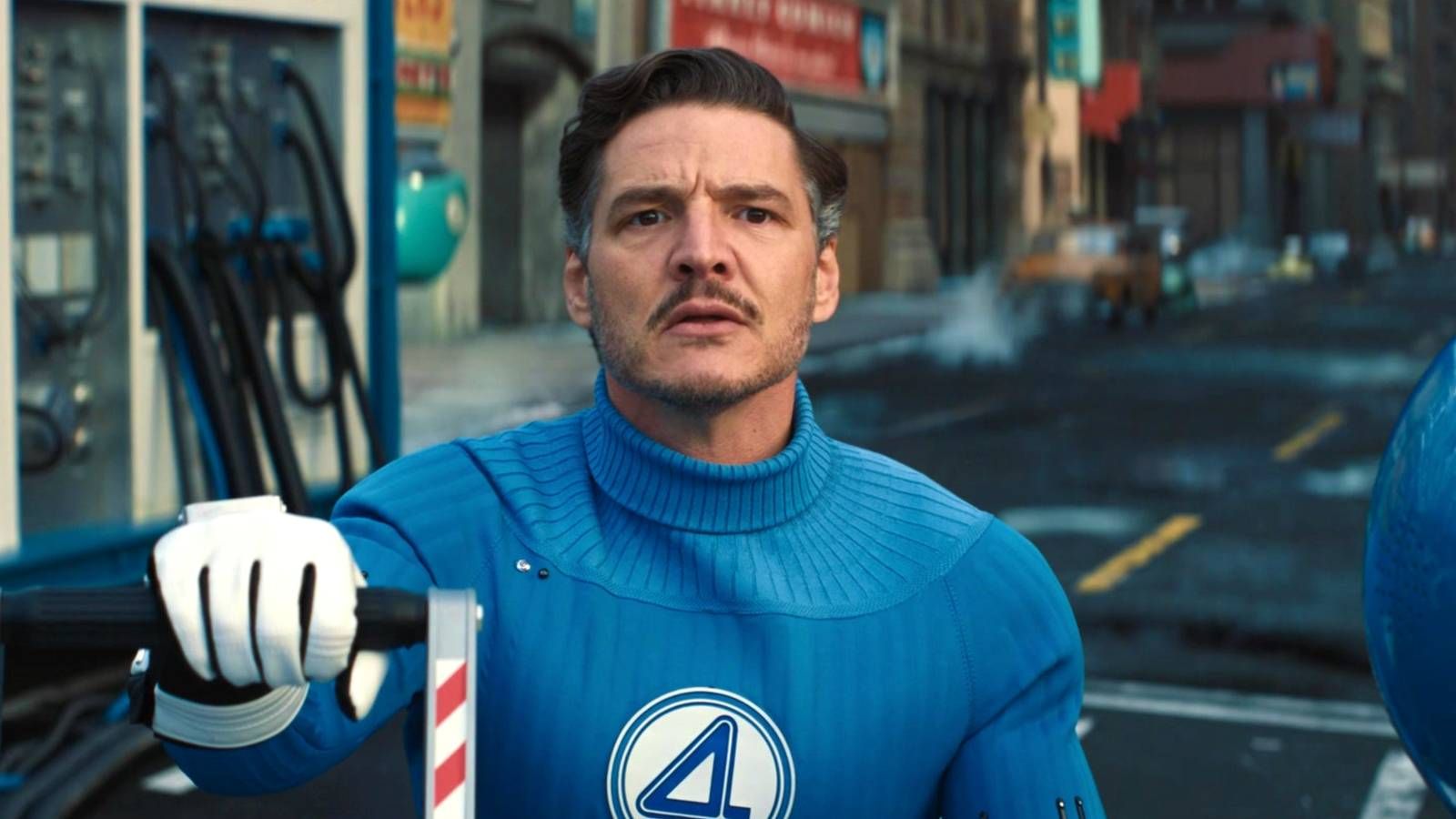
- Fantastic Four: First Steps launched Phase 6 in July 2025 and streams on Disney+ starting November 5.
- Wonder Man series delayed to January 2026; no further MCU releases in 2025.
- Simu Liu opposes AI replacing extras, sparking debate about Hollywood labor and technology.
- Avengers: Secret Wars will conclude the Multiverse Saga in December 2027.
Robert Downey Jr. Returns—But Not as Iron Man
San Diego Comic-Con 2024 was packed with surprises, but nothing sent shockwaves through the Marvel Cinematic Universe quite like Robert Downey Jr.’s dramatic return. This time, however, he’s swapping the red and gold armor for something far darker. Downey, whose portrayal of Tony Stark/Iron Man defined the MCU’s early years, will step into the role of Victor von Doom—better known as Doctor Doom—in the upcoming Avengers: Doomsday.
Marvel’s announcement, made with signature flair, left fans in a frenzy. Downey’s own words—“New mask, same task”—acknowledged both his legacy and the challenge of transforming into one of comics’ most infamous villains. The casting marks his first superhero role since his emotional exit from Iron Man in 2019, and it’s already being hailed as the most controversial—and potentially game-changing—decision in Marvel’s history. (Variety, BBC News)
Inside Phase 6: New Faces, New Stakes
Phase 6 of the MCU kicked off on July 25, 2025, with Fantastic Four: First Steps. The film’s debut was more than just another blockbuster; it set the stage for Marvel’s next epic saga, the Multiverse Saga, which will stretch through December 2027. In a clever move, Marvel teased Doctor Doom’s arrival with a shadowy post-credits scene, fueling weeks of speculation and online theories.
The slate for Phase 6 reveals a packed schedule. After Fantastic Four: First Steps, fans can expect the Wonder Man series on Disney+ in January 2026, followed by Avengers: Doomsday in December 2026, and the climactic Avengers: Secret Wars in December 2027. Spider-Man swings back into theaters with Brand New Day in July 2026, and Daredevil returns in Born Again in March 2026. Each release is designed to weave together multiverse threads, but Downey’s villainous turn stands out as the narrative anchor.
Doctor Doom’s origins remain shrouded in mystery. Marvel Studios has been deliberately vague, encouraging fan theories that range from alternate realities to secret ties with the Iron Man legacy. The secrecy is reminiscent of Marvel’s best marketing—just enough information to stoke curiosity, never quite enough to satisfy it. The Russo Brothers, returning to direct both Avengers films after their success with Infinity War and Endgame, promise an ensemble-driven story with high emotional stakes.
Streaming Strategies and the MCU’s Changing Release Patterns
Beyond the casting headline, Marvel’s distribution strategy is shifting. Fantastic Four: First Steps hit theaters in July 2025 and is set for a Disney+ debut on November 5, following the studio’s pattern of staggered streaming releases. This mirrors the earlier Captain America: Brave New World, which arrived on Disney+ 103 days after its theatrical run. The move keeps Marvel content in the spotlight for longer and gives fans multiple ways to engage with new stories.
Yet, 2025 is a year of restraint for Marvel. After Fantastic Four, no new MCU movies are scheduled until 2026. The anticipated Wonder Man series was pushed to January 2026 to avoid competition with holiday programming, a rare pause that leaves fans waiting for the next big reveal. As a result, Fantastic Four: First Steps becomes the year’s final MCU offering, capping off a period of transition for the franchise. (ScreenRant)
AI, Hollywood Labor, and the Human Side of Blockbusters
As Marvel plots its future, a different debate is simmering within Hollywood. Simu Liu, known for his role as Shang-Chi and set to appear in Avengers: Doomsday, took to social media to challenge the notion that artificial intelligence should replace background actors to save money. Liu’s response was direct: “Sure, blame the extras making 15–22 dollars an hour struggling to make a living and not above the line people making multiple millions.”
The conversation was sparked by comments from another actor, Kevin O’Leary, who suggested that AI could cut costs by replacing extras. Liu’s pushback highlights a tension at the heart of modern filmmaking: the drive for efficiency versus the value of human labor. Many background performers rely on these jobs as their primary income while pursuing acting careers. Liu’s own experience reflects the reality for countless workers—hard work, low pay, and little recognition.
The debate isn’t just about technology; it’s about what stories mean when they’re told by real people. As the MCU embraces new technology and storytelling techniques, Liu’s stance is a reminder that behind every blockbuster are hundreds of unsung contributors whose livelihoods are at stake. (MovieWeb)
Fan Reactions and What Lies Ahead
Marvel fans are famous for their passion—and their skepticism. Downey’s casting as Doctor Doom has ignited social media, with reactions ranging from ecstatic support to cautious optimism. Many see Downey as the perfect actor to bring nuance and charisma to a villain who’s as intelligent as he is menacing. The Russo Brothers’ involvement only heightens expectations, promising a layered performance and sweeping ensemble storytelling.
Meanwhile, set photos and costume details trickle out, feeding speculation about Doom’s look and origin. The first official trailer for Avengers: Doomsday is expected in 2026, likely unveiled at one of the major comic conventions. With the conclusion of the Multiverse Saga on the horizon, fans are bracing for a narrative that could redefine the MCU’s core themes and set up future crossovers—possibly even the long-awaited integration of the X-Men and mutants.
Streaming series like Daredevil: Born Again and Vision Quest continue to build the complex lore necessary to understand the new multiverse rules. For viewers who want to follow every thread, Disney+ has become essential—offering context and backstory that will shape Doctor Doom’s arc and the fate of the Avengers.
The Stakes for Marvel, Its Audience, and Its Industry
Marvel’s gamble on Robert Downey Jr. as Doctor Doom, coupled with evolving streaming strategies and the larger industry debate about AI, marks a turning point for the franchise. The MCU has always thrived on reinvention, but this moment feels especially bold—a reminder that risk and reward go hand in hand.
As Phase 6 unfolds, the questions loom large: Can Downey redefine villainy in a way that resonates with longtime fans and newcomers alike? Will Marvel’s commitment to ensemble storytelling and streaming accessibility pay off? And, as technology reshapes Hollywood, will the human stories behind the scenes remain at the heart of the world’s biggest cinematic universe?
Marvel’s latest moves—casting, streaming, and labor debates—showcase a studio willing to challenge its own formulas. By choosing complexity over predictability, the MCU sets itself up for a future where creative risks drive both storytelling and the industry itself. The coming years will reveal whether these gambles redefine what it means to be a hero—or a villain—in the Marvel universe.