
Quick Read
- Mason Mount previously highlighted the importance of using dynamic young forwards, especially for aerial threats.
- Joshua Zirkzee struggled to make an impact in United’s 1-0 defeat to Everton, missing key chances.
- Ruben Amorim’s tactical rigidity and reluctance to use academy players drew criticism from fans and club legends alike.
- Sir Alex Ferguson’s philosophy of risk-taking in attack resurfaced as a critique of United’s current approach.
Mason Mount’s Early Advice and United’s Stagnant Attack
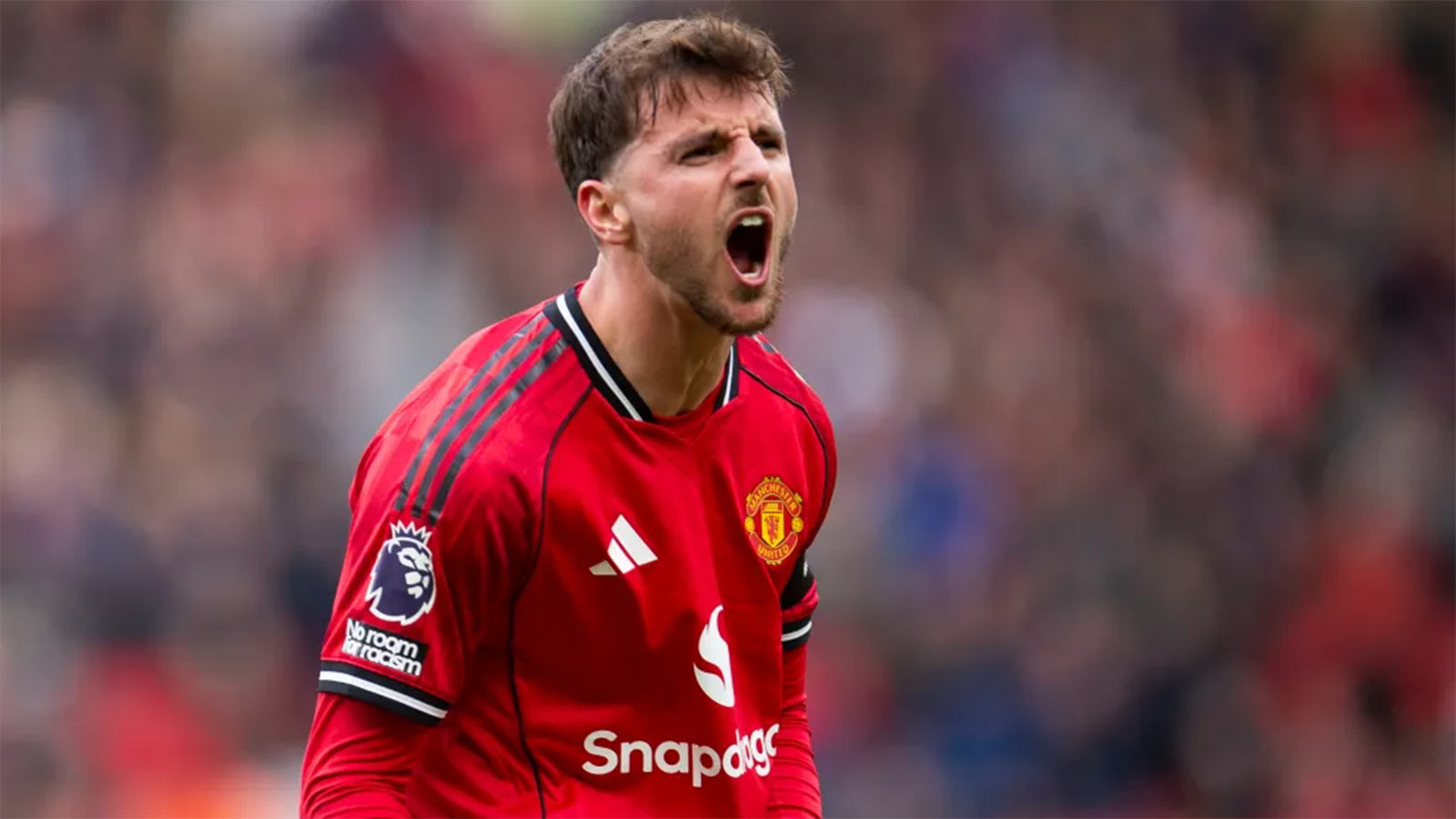
For Manchester United fans, the club’s 1-0 defeat to Everton at Old Trafford in late November 2025 was more than just a blip on the results page. It was a performance that exposed deep cracks beneath the surface, with the issues on display echoing warnings Mason Mount had voiced months earlier. Mount, who joined United with high expectations, had highlighted the importance of tactical flexibility and the unique strengths of the club’s younger forwards—advice that, if heeded, might have changed the outcome against Everton.
Zirkzee’s Struggles and the Search for Solutions
Ruben Amorim, United’s head coach, faced a selection dilemma as injuries to Matheus Cunha and Benjamin Sesko left him with limited options up front. He turned to Joshua Zirkzee, a Dutch striker whose imposing presence belied a lack of recent first-team action. Zirkzee, just 24 and rumored to be on his way out of Old Trafford in January, was handed a rare start. But as the minutes ticked by, it became clear that the strategy was falling flat.
Despite United’s attempts to barrage the Everton box with crosses, Zirkzee struggled to convert opportunities, his aerial efforts thwarted by Jordan Pickford. Supporters watched in frustration as chance after chance slipped away, and the absence of a dynamic presence in the box grew more glaring. The irony was not lost on those who recalled Mount’s earlier remarks about Chido Obi, a 17-year-old forward with a knack for aerial duels. Mount had praised Obi’s movement and threat in the air after a standout pre-season, suggesting that the young Dane’s qualities were exactly what United lacked that evening. Yet, Obi wasn’t even on the bench.
Amorim’s System Under Fire
The defeat to Everton was compounded by the fact that United played against ten men for much of the match. Historically, Old Trafford has been a fortress where such situations demand bold, attacking football. Instead, Amorim’s approach was characterized by caution and adherence to his preferred system, a rigidity that many, including club legend Sir Alex Ferguson, have criticized.
Ferguson’s words, resurfacing in the aftermath, cut to the heart of the matter: “What’s the point in sitting with your back four, your regular midfield, and two strikers? The risk is to shove people in the box. The other team react to that. We’ve lost games that way. But the value is, you score in the last minute, the dressing room is electric. That risk should always be there.”
Yet Amorim’s substitutions—Mason Mount for Noussair Mazraoui, Kobbie Mainoo for Casemiro, and Diogo Dalot for Patrick Dorgu—offered little in the way of tactical daring. Two of the three were like-for-like, and Mount’s introduction corrected a positional error rather than introducing fresh attacking impetus. The young talents, such as Shea Lacey and Chido Obi, remained unused. The system, designed to provide structure, instead seemed to stifle creativity and risk-taking.
When Systems Clash with Club Identity
This is not merely a story about a missed opportunity; it’s about a club at a crossroads. Ruben Amorim, for all his insistence that he understands United’s ethos, has yet to demonstrate the courage to break from his system when the moment demands it. The result is a team that appears hesitant and predictable, unable to channel the sense of urgency and risk that once defined Manchester United under Ferguson.
The contrast was particularly sharp against Everton. While United enjoyed most of the possession and territory, they lacked the cutting edge, the willingness to throw caution to the wind in pursuit of victory. Amorim’s reluctance to trust youth or to break from his tactical blueprint has become a point of contention. The “spray-and-pray” approach of crosses toward Zirkzee lacked the dynamism Mount had envisioned, and the benching of promising talents like Obi signaled a missed chance to inject unpredictability into United’s attack.
The Players or the Plan: Where Does the Blame Lie?
Of course, not all responsibility rests with the manager. Players, too, have underperformed. But as Ferguson once noted, “No system should prevent top players from beating a ten-man Everton at home.” There’s a growing sense among fans and observers that United’s problems are as much about mentality and risk aversion as they are about tactics or personnel.
As the January transfer window approaches and rumors swirl about Zirkzee’s possible departure, questions mount about the direction of the club. Will Amorim adapt, trusting in youth and risk when necessary? Or will the system continue to dictate the team’s fortunes, even as results falter?
Looking Ahead: Lessons from Defeat
The Everton match may have been a single fixture in a long season, but its significance lingers. Mason Mount’s summer advice—to play to the strengths of dynamic young forwards, to mix up the attacking approach—now seems prescient. The decision to ignore those insights was costly, not just in terms of points, but in the growing disconnect between manager, players, and supporters.
For Manchester United, the path forward is clear but not easy. It demands a willingness to evolve, to take risks, and to remember the values that once made Old Trafford a place where the improbable felt possible. Whether Amorim is the man to lead that charge remains to be seen.
Assessment: The defeat to Everton was a microcosm of Manchester United’s broader struggles under Ruben Amorim—an overreliance on rigid systems, missed opportunities to harness youthful energy, and an unwillingness to embrace the calculated risks that once defined the club’s greatest moments. Until these lessons are internalized, United’s ambitions will remain just out of reach.