
Quick Read
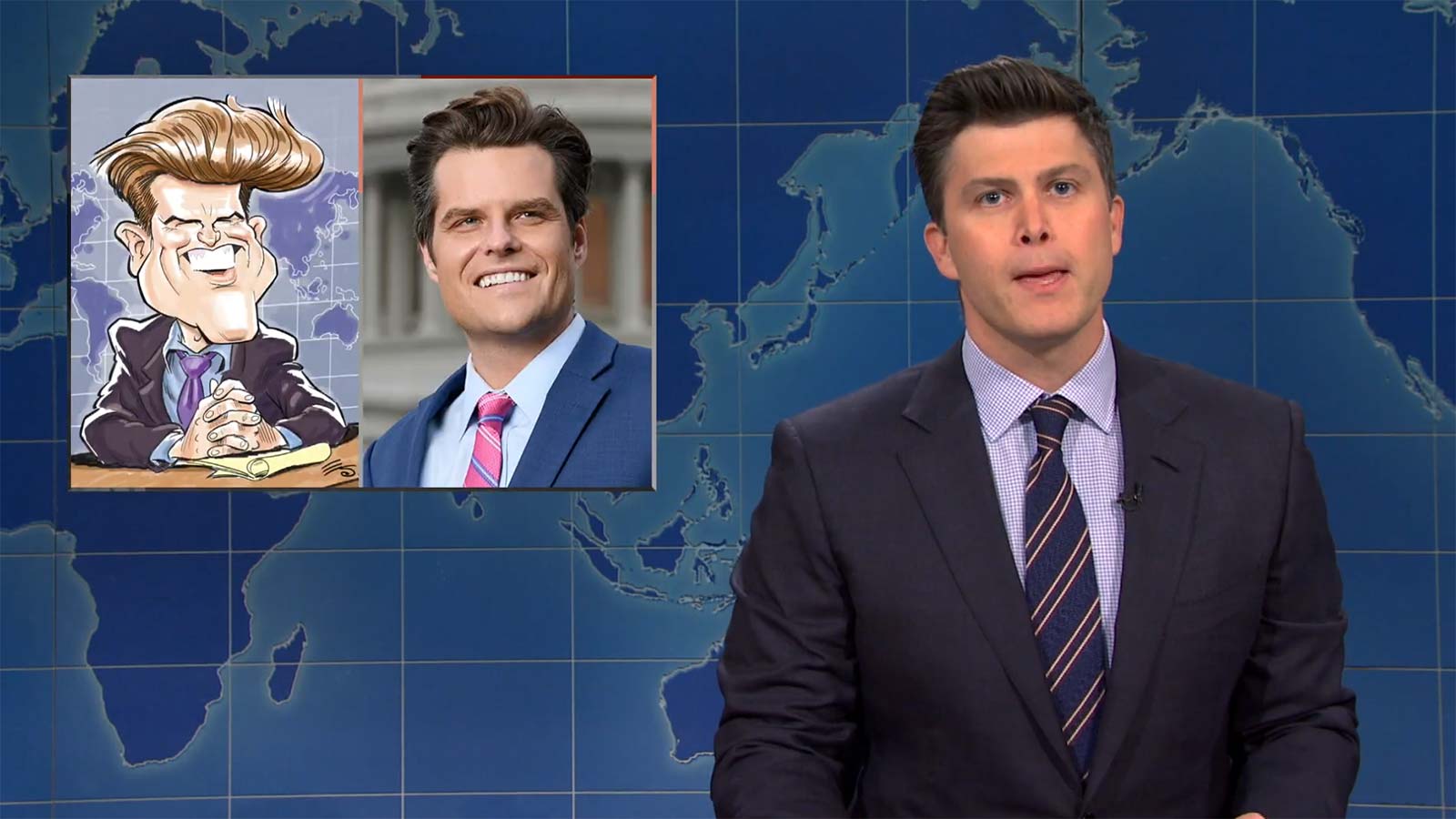
- Matt Gaetz was featured in SNL’s December 2025 cold open as a reporter for One America News Network.
- The sketch lampooned Gaetz’s media persona and used pop culture references to highlight his controversial reputation.
- SNL’s satire emphasized the shift of political figures into media roles, reflecting broader trends in American politics.
Matt Gaetz’s Satirical Turn: SNL’s Lampooning of a Political Figure
Saturday Night Live has always been known for holding up a mirror to American politics, often with biting humor and an unflinching gaze. On December 6, 2025, the show’s cold open took aim at President Donald Trump and Secretary of Defense Pete Hegseth—but it also shone a spotlight, however brief, on former Congressman Matt Gaetz. The sketch, covered by TV Insider, wasn’t just a roast of current political leaders. It used Gaetz’s new media role as fodder for sharp social commentary, inviting viewers to consider the intersection of politics and entertainment.
Gaetz’s Cameo: From Congress to OAN, and Now SNL
Once a lightning rod in Congress, Matt Gaetz has recently moved into the media sphere, taking up a position at One America News Network (OAN). SNL’s writers seized this transition, inserting Gaetz as a reporter at a fictional press conference led by Hegseth. The portrayal was unmistakably satirical: Gaetz asks, “You’re only killing people who are trafficking drugs, right? So hypothetically, if someone were trafficking something else, they’d be OK?” The punchline—“Giggity!”—was both a nod to pop culture and a jab at Gaetz’s reputation for controversy.
What does this comedic moment say about Gaetz’s public image? The sketch leaned into familiar caricatures: brash, irreverent, and unafraid to skirt the boundaries of good taste. By placing Gaetz in this context, SNL reflected the way some Americans view his post-congressional career—not as a retreat from the spotlight, but as a shift to a different kind of stage.
Satire’s Role: Shaping Public Perception
SNL has long wielded influence in political discourse, not by offering policy analysis, but by distilling public figures into instantly recognizable archetypes. In lampooning Gaetz, the show tapped into the broader narrative of politicians becoming media personalities—a phenomenon that blurs the line between news and entertainment.
For viewers, the sketch may have felt both familiar and jarring. Gaetz’s exaggerated behavior, coupled with the absurdity of the press conference, underscored the surreal nature of contemporary politics. In a world where lawmakers tweet as much as they legislate, SNL’s satire arguably serves as both a critique and a coping mechanism, helping audiences process the constant churn of headlines.
Context: Why SNL Chose Gaetz for This Moment
The timing of Gaetz’s inclusion is no accident. In the wake of scandals and shifting allegiances, his move to OAN reflects a broader trend: political figures reinventing themselves as commentators or influencers. SNL’s decision to feature Gaetz as a reporter—rather than a lawmaker—signals a recognition of this transformation. It’s a subtle nod to how the boundaries between journalism, activism, and entertainment are increasingly porous.
Yet, the sketch stops short of exploring Gaetz’s past in detail. Instead, it focuses on the present moment: a media figure with a penchant for provocative questions. The “Giggity!” catchphrase, borrowed from Family Guy’s Quagmire, is more than a throwaway joke. It encapsulates the way pop culture references are woven into political discourse, sometimes obscuring serious issues beneath layers of irony.
The Wider Impact: Satire as Commentary, Not Just Comedy
By weaving Gaetz into its narrative, SNL underscores the power of satire to shape public perception. The show doesn’t just mock—it contextualizes, reframes, and sometimes even rehabilitates the images of public figures. For Gaetz, whose career has been marked by controversy and reinvention, this kind of depiction can be double-edged: reinforcing stereotypes while also signaling his ongoing relevance.
It’s worth noting that SNL’s approach is not unique. American satire has a long tradition of lampooning politicians, sometimes with lasting consequences. The show’s reach—millions of viewers each week—means that its caricatures can stick, coloring public understanding in subtle but significant ways.
Media Personalities and the Evolving Political Landscape
Gaetz’s journey from Congress to cable news is emblematic of a broader shift. As trust in traditional institutions wanes, more politicians are turning to alternative platforms to maintain influence. SNL’s sketch hints at the complexities of this new media environment, where entertainment and information are often indistinguishable.
For audiences, this presents a challenge: How do we separate satire from substance? When a figure like Gaetz is portrayed on SNL, are we seeing the real person, or a reflection shaped by writers and actors? The answer, perhaps, is both. Satire can clarify as much as it distorts, forcing viewers to reckon with the contradictions at the heart of public life.
Conclusion: The Lasting Power of Satire
Ultimately, SNL’s cold open did more than lampoon Gaetz—it invited viewers to reflect on the role of media in shaping political narratives. By blending humor with commentary, the show highlighted the fluidity of public personas and the enduring appeal of satire as a tool for understanding, and sometimes challenging, the status quo.
SNL’s portrayal of Matt Gaetz, though brief and humorous, is a reminder of how easily satire can mold public impressions. While the sketch didn’t delve into his legislative record or personal controversies, it captured the essence of his transition from politician to media figure—underscoring the increasingly theatrical nature of American politics and the power of television to both entertain and inform.