
Quick Read
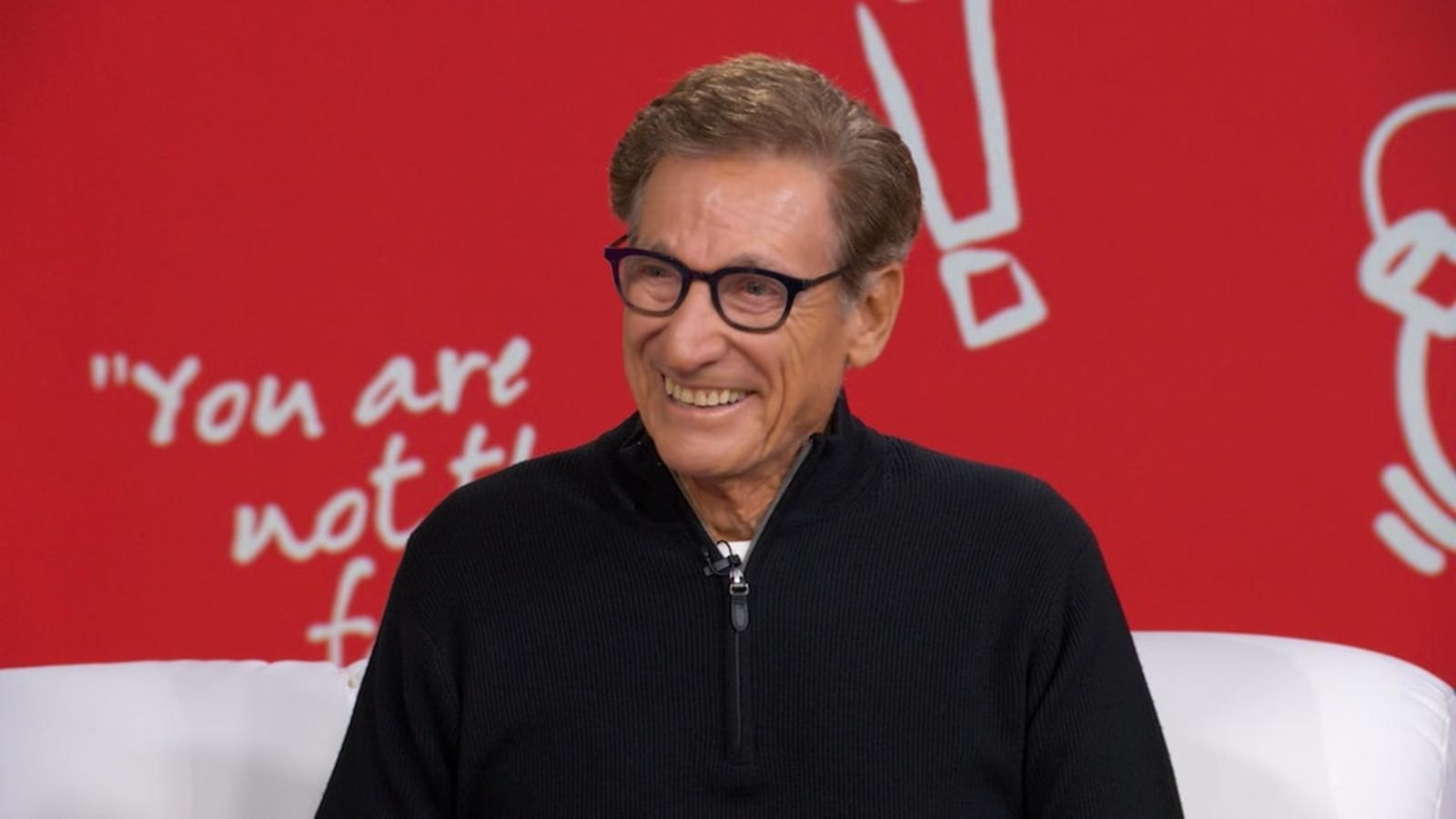
- Maury Povich is promoting his new docuseries, “Dirty Talk: When Daytime Talk Shows Ruled TV.”
- The series explores the cultural phenomenon and popularity of 1990s daytime talk shows.
- Povich appeared on “Good Morning America” on January 12, 2026, to discuss the docuseries.
- His long-running “Maury” show, which premiered in 1998, was famous for its dramatic paternity test reveals.
- Former participants, like “paternity baby” Kayla, are now sharing the long-term emotional and psychological impacts of their public appearances.
Maury Povich, a name synonymous with dramatic daytime television, is back in the spotlight, not to deliver another paternity test result, but to reflect on an era he helped define. He’s currently promoting his new docuseries, “Dirty Talk: When Daytime Talk Shows Ruled TV,” offering a retrospective look at the genre that captivated millions in the 1990s. The series promises to peel back the curtain on the cultural phenomenon of shows like his own, exploring their rise to immense popularity and their profound impact on American households. It’s a journey back to a time when television sets across the nation buzzed with the raw, unfiltered emotions of everyday people, broadcast for public consumption.
Maury’s Return: A Look Back at Daytime TV’s Golden Age
On January 12, 2026, Povich appeared on Good Morning America (ABC News) to discuss this upcoming project. According to Laughing Place, Povich was a featured guest, highlighting the significance of his contribution to the genre. “Dirty Talk: When Daytime Talk Shows Ruled TV” aims to contextualize the unique period when shows like “Maury,” “Jerry Springer,” and “Ricki Lake” dominated the airwaves. These programs, often characterized by confrontational interviews, dramatic reveals, and highly personal narratives, tapped into a deep human fascination with real-life drama. They offered a window into the lives of others, often those facing challenging circumstances, and in doing so, both reflected and shaped public discourse around family, identity, and personal responsibility. The docuseries is poised to revisit this cultural landscape, allowing Povich himself to provide an insider’s perspective on what made these shows so magnetic and, at times, so controversial. It’s an opportunity to examine not just the shows themselves, but the societal forces that allowed them to flourish, and the ways in which they both reflected and shaped public discourse around family, identity, and personal responsibility.
The Enduring Legacy of the “Maury” Show
While “Dirty Talk” looks broadly at the genre, it’s impossible to separate Povich from his own indelible mark on daytime television. The “Maury” show, which first aired in 1998, became a cultural touchstone, particularly for its sensational paternity test reveals. The phrase “You are not the father!” became a meme before memes were even a concept, etched into the collective consciousness. For decades, the show thrived on high-stakes personal drama, often involving familial disputes, infidelity, and the emotional rollercoaster of DNA results. This format, while undeniably entertaining for many, also sparked fervent debates about privacy, exploitation, and the ethical boundaries of broadcasting deeply personal stories. Critics often decried these programs as “trash TV,” yet their ratings soared, proving that there was a massive appetite for raw, unscripted human conflict. “Maury” perfected this formula, blending confrontational interviews with the scientific certainty (or uncertainty) of DNA tests, creating a predictable yet endlessly compelling narrative arc.
Life After the Cameras: Kayla’s “Paternity Baby” Story
The true long-term impact of such shows is perhaps best understood through the experiences of those who grew up in their shadow. One such individual is Kayla, known publicly as a “paternity baby,” who recently took to TikTok to share her journey. Her story, highlighted by El Balad, provides a poignant look at life after the cameras stopped rolling. Kayla recounted the moment Povich delivered the verdict to her potential father, Freddie: “You are not the father.” This declaration, a moment of high drama for television viewers, became a defining, and often challenging, part of her identity. Kayla’s reflections reveal a complex family dynamic. Her mother, Missy, reportedly suggested the show was staged, while Freddie believed his on-screen reaction was genuine. This conflicting narrative within her own family underscores the blurred lines between reality and entertainment that these shows often created. Kayla candidly shared the struggles of her upbringing, stating, “Life was troubling.” With a mother who had six children by different fathers, many of whom ended up in foster care or living with relatives, Kayla’s early life was marked by instability, a narrative that resonated deeply with her online audience.
Ethical Echoes: Public Exposure and Child Well-being
Kayla’s experience as a child thrust into the national spotlight without consent raises critical questions that are more relevant than ever in our social media-driven world. The phenomenon of “parenting influencers” featuring their children’s lives publicly on platforms like TikTok mirrors the ethical dilemmas first brought to the forefront by shows like “Maury.” Mental health experts have voiced serious concerns about the potential long-term psychological effects on children whose personal lives are broadcast for public consumption. The emotional toll can be profound. Children exposed to such early fame may suffer from emotional abuse and developmental disruption. Their lack of autonomy in these situations can lead to anxiety, identity confusion, and emotional dysregulation as they navigate adolescence and adulthood. The boundaries between parent and content creator, or in Povich’s case, between guardian and television participant, often collapse, leaving children vulnerable to the consequences of public scrutiny they never chose. This erosion of privacy, particularly for sensitive issues like paternity, can leave deep, lasting scars. The public nature of these revelations, often framed for maximum dramatic effect, can also create an environment where children are defined by a single, sensational event rather than their full identities. Imagine growing up with a moment of your family’s most intimate struggles immortalized on national television, available for endless re-runs and online clips. It’s a burden few adults could carry with ease, let alone a child.
The legacy of these shows is complex. On one hand, they gave a voice to people who might not otherwise have had a platform, bringing issues like domestic disputes and paternity questions into the mainstream. On the other, they are often criticized for reducing complex human lives to caricatures, exploiting vulnerability for entertainment value, and contributing to a culture of public shaming. Povich’s return to this topic, not as a host but as a commentator, offers a chance for a more nuanced reflection. “Dirty Talk” will likely explore the competitive nature of the genre, the constant quest for higher ratings, and the sometimes-blurry line between informing and exploiting. As discussions around these topics continue, it is vital to consider the well-being of children and the lasting impacts of their early exposure to public scrutiny.
Maury Povich’s new docuseries, “Dirty Talk,” arrives at a crucial moment, prompting a necessary re-evaluation of daytime talk television’s impact, particularly as the digital age intensifies the very ethical dilemmas his original show pioneered. While his program undeniably entertained millions and became a cultural touchstone, the candid reflections of individuals like Kayla underscore the profound and often overlooked human cost of publicizing deeply personal narratives, reminding us that entertainment value must never overshadow the lasting well-being and privacy of those who become its subjects.