
Quick read
- McDonald’s will extend hours in most U.S. locations starting this summer.
- Non-traditional locations like airports will maintain standard hours.
- The change aims to adapt to new consumer habits and recover from a 3.6% sales drop.
- 375,000 new hires are planned to support increased nighttime activity.
- Promotional events and new menu items like McCrispy Strips accompany the changes.
Why is McDonald’s extending its hours in the U.S.?
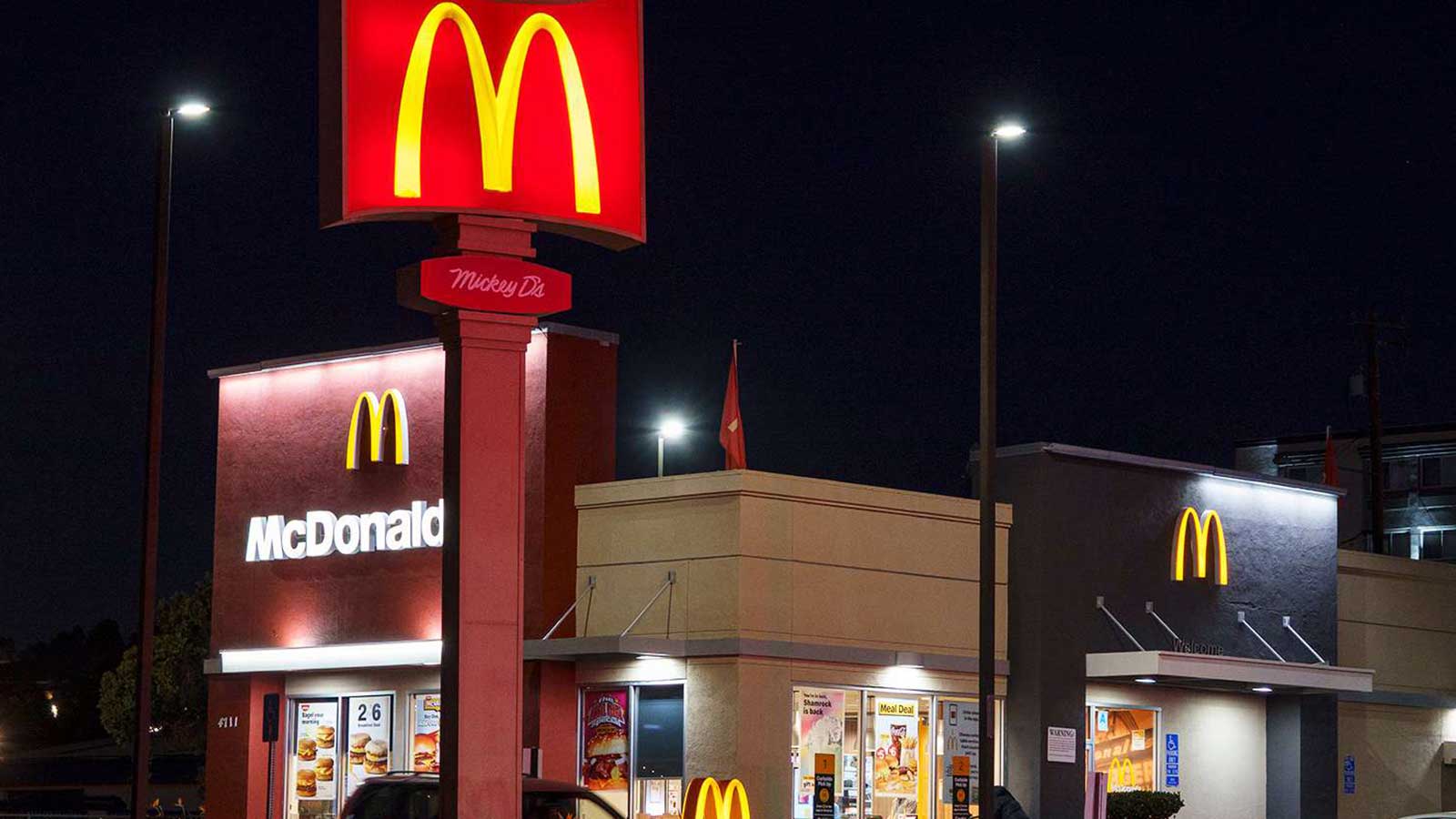
McDonald’s, the iconic global fast-food chain, is set to extend its operating hours in most U.S. locations starting this summer. This decision is part of a broader strategy to adapt to shifting consumer habits and boost nighttime sales. According to McDonalds, non-traditional locations such as airports and shopping centers will maintain their usual breakfast hours, while standalone locations will stay open until midnight or later.
This move comes as the chain faces a challenging market environment. A 3.6% drop in U.S. sales, the worst since the pandemic, has prompted McDonald’s to rethink its approach. Consumer spending has slowed amid economic concerns, even on budget-friendly options like fast food. By extending hours, McDonald’s hopes to capture a larger share of late-night diners and shift workers.
How will McDonald’s support extended nighttime operations?
To ensure smooth operations during extended hours, McDonald’s plans to hire approximately 375,000 new employees this summer. According to The Independent, these hires will help manage the anticipated increase in nighttime activity and maintain service quality. Franchise owners will have some flexibility in deciding which menu items to offer during late hours, though signature dishes like Big Macs and fries are expected to remain staples.
The initiative represents a significant investment in labor and operations. It also provides an opportunity for McDonald’s to address staffing shortages that have affected the fast-food industry in recent years. By bolstering its workforce, the company aims to deliver consistent service and capitalize on its extended availability.
What promotional strategies accompany these changes?
McDonald’s is not just extending hours—it’s also rolling out promotional campaigns to generate buzz. On May 24, the company hosted street events and concerts in major cities like Los Angeles, New York, and Detroit to celebrate its new initiatives. Gift cards and branded merchandise were distributed, and the chain introduced a new menu item, McCrispy Strips, which quickly became the centerpiece of its marketing efforts.
Additionally, McDonald’s launched a social media contest, giving away 1,000 virtual cards for free McCrispy Strips. Fans participated by sharing Instagram stories with the hashtag #DipforMcCrispyStripsGiveaway and tagging the official account. Such campaigns aim to attract younger, social media-savvy customers while reinforcing the brand’s relevance in a competitive market.
How is McDonald’s leveraging viral trends for visibility?
In an unexpected twist, McDonald’s has also benefited from viral social media trends. A TikTok video by user @MillyHancockk suggested that McDonald’s fries and a large Coke could relieve headaches. While no medical evidence supports this claim, the video sparked widespread engagement, with thousands of users trying and sharing the combination. This phenomenon kept McDonald’s in the spotlight, demonstrating the power of social media in shaping consumer behavior.
According to McDonalds, such organic visibility complements the chain’s formal marketing strategies, helping it maintain cultural relevance and drive foot traffic to its restaurants.
What does this mean for McDonald’s future in the U.S. market?
McDonald’s decision to extend hours and invest in promotions signals a proactive approach to navigating a challenging economic landscape. By adapting to evolving consumer habits and leveraging innovative marketing, the company aims to strengthen its position in the competitive U.S. fast-food market.
As other chains like Krystal and Burger King also pursue growth strategies, McDonald’s must balance its traditional strengths—speed, affordability, and consistency—with new initiatives that resonate with modern diners. Whether these efforts will translate into sustained sales growth remains to be seen, but they mark a pivotal moment for the brand.
McDonald’s extended hours and promotional strategies highlight its commitment to staying ahead in a dynamic market, offering a fresh take on its iconic brand while adapting to the needs of contemporary consumers.