
Quick Read
- Measles cases surged to 588 across 17 U.S. states by late January 2026, despite its elimination in 2000.
- Potential measles exposures were reported at the University of Florida and Montréal–Trudeau International Airport in early February.
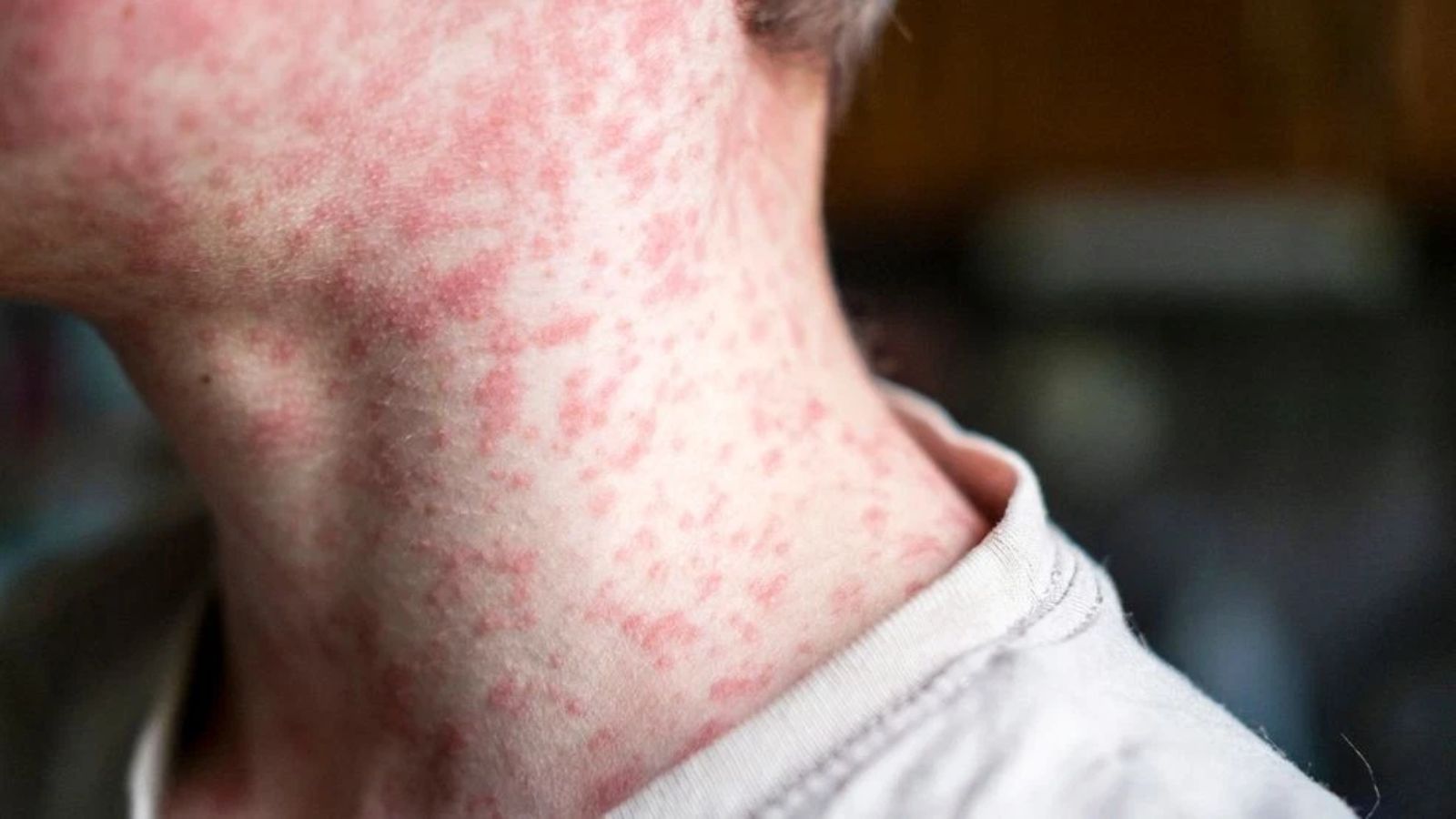
- Common measles symptoms include high fever, cough, runny nose, conjunctivitis, and a rash that starts on the face and spreads.
- The MMR vaccine, with two doses, is about 97% effective and offers lifelong protection against measles.
- Health officials urge vigilance and vaccination, citing serious complications, especially for young children.
YEREVAN (Azat TV) – Public health officials across North America are issuing urgent alerts and intensifying calls for vigilance as measles cases experience a notable surge in early 2026, prompting a renewed focus on recognizing its highly contagious symptoms. Recent exposures have been reported at major transportation hubs, like Montréal–Trudeau International Airport, and educational institutions in Florida, highlighting the rapid re-emergence of a disease once declared eliminated in the United States.
The Centers for Disease Control and Prevention (CDC) reported 588 confirmed measles cases across 17 U.S. states as of January 29, 2026, a significant increase that follows the disease’s official elimination in the country in 2000. This resurgence underscores the critical importance of understanding measles symptoms and transmission pathways to prevent further spread.
Rising Measles Cases Prompt Public Health Alerts
In Florida, multiple institutions have reported potential exposures and confirmed cases. The University of Florida announced Thursday that it was investigating possible measles exposure within two classes in Alachua County after two cases were reported. Health officials initiated contact tracing to identify and notify individuals who may have been exposed, emphasizing that the majority of the university community is immune through vaccination or prior infection.
Concurrently, St. Petersburg Catholic High School confirmed a measles case in a sophomore student, who had not been on campus since January 27. The school is collaborating with the Department of Health and noted that 99.2% of its student body is vaccinated against the disease, allowing classes and activities to continue as normal while urging anyone with symptoms to seek immediate medical attention.
Across the border, Canadian public health authorities alerted travelers to a confirmed measles exposure at Montréal–Trudeau International Airport on January 21, linked to an individual arriving on Vol Aero Mexico flight AM680. Officials urged anyone on the flight or in the airport’s arrivals area during specific hours to verify their vaccination status and monitor for symptoms until February 11. Montreal public health has confirmed nine outbreak-related cases, following a previous outbreak in Quebec from December 2024 to April 2025.
Understanding Key Measles Symptoms and Transmission
Measles is a highly contagious viral infection that spreads through the air when an infected person coughs or sneezes. Symptoms typically appear 7 to 14 days after exposure to the virus. Early signs often include a high fever, a persistent cough, a runny nose, and conjunctivitis (red, light-sensitive eyes). These initial symptoms are followed by the characteristic measles rash.
The rash usually begins as flat red spots on the face, specifically behind the ears and along the hairline, and then spreads downward across the neck, trunk, arms, and legs. The spots may eventually become slightly raised. This distinctive progression of symptoms is crucial for early identification and isolation.
Health officials universally stress that measles can lead to serious complications, particularly in young children under the age of five. These complications can include pneumonia, encephalitis (inflammation of the brain), and even death. The Pan American Health Organization has called upon countries, including Canada, to strengthen their vaccination efforts and disease surveillance to mitigate these risks, especially after two measles-related deaths were reported in Canada last year.
Vaccination Remains Primary Defense Against Measles
The most effective protection against measles is the Measles, Mumps, and Rubella (MMR) vaccine. The CDC recommends two doses of the MMR vaccine, which are approximately 97% effective at preventing the disease. Most individuals who receive both recommended doses are protected for life.
Public health authorities continue to emphasize the importance of vaccination as the cornerstone of measles prevention. In light of the recent outbreaks and confirmed exposures, officials are urging residents to ensure their immunization records are up-to-date. Those who are fully vaccinated are considered protected and generally do not need to take further action unless specifically advised by health professionals.
The recent surge in measles cases across North America, despite the disease being declared eliminated decades ago in some regions, highlights the ongoing vulnerability of unvaccinated populations and the critical need for sustained public health vigilance and robust immunization programs.