
Quick Read
- The Meeker Fire, ignited on August 2, 2025, has burned over 88,000 acres in Colorado, making it one of the state’s largest wildfires.
- Mandatory evacuations have been issued in Rio Blanco County, with pre-evacuation warnings extending into Garfield County.
- High winds and drought conditions have fueled the fire’s rapid spread, creating its own weather system.
- Governor Jared Polis has declared a disaster emergency and mobilized the Colorado National Guard.
- Experts link the increasing wildfire risks in Colorado to climate change and prolonged droughts.
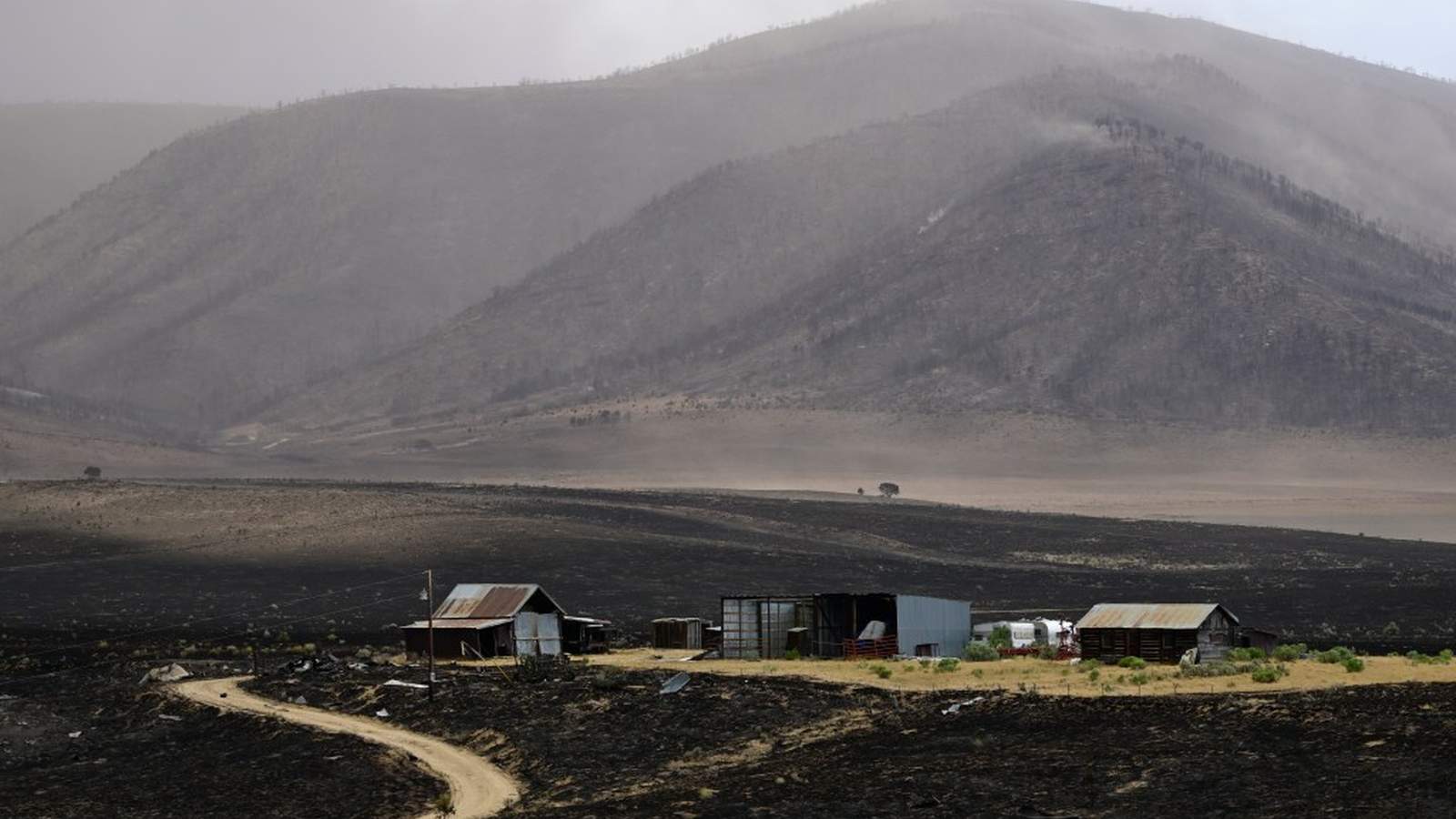
The Meeker Fire, which erupted on August 2, 2025, has rapidly escalated into one of Colorado’s largest wildfires, prompting mandatory evacuations and deploying over 1,200 firefighters to combat the growing inferno. Stretching across Rio Blanco County and nearing the Garfield County border, the fire has been fueled by a deadly combination of high winds, extreme drought, and hot summer weather.
Unprecedented Growth of the Meeker Fire
The Meeker Fire, also referred to as the Lee Fire, has burned approximately 88,755 acres as of August 9, 2025. This represents a dramatic increase from the 61,425 acres reported just a day earlier, according to The Denver Post. The fire’s rapid spread has been attributed to its ability to create its own weather system, generating pyrocumulus clouds that intensify wind conditions and complicate containment efforts. Tyler Nathe, operations planning chief, described the phenomenon as “extreme fire behavior,” noting that the fire’s self-generated weather was producing additional outflow and inflow winds, further exacerbating the blaze.
Mandatory Evacuations and Public Safety
In response to the fire’s alarming growth, the Rio Blanco County Sheriff’s Office issued new mandatory evacuation orders late Friday night and early Saturday morning for areas including the Colorado 13 corridor, Piceance Creek, and Willow Creek. Residents in affected zones were urged to immediately evacuate to safer locations. Pre-evacuation warnings were also extended to parts of Garfield County, particularly areas west of Colorado 13 near West Fork Parachute Creek. The sheriff’s office has implemented a “Ready, Set, Go” evacuation system to ensure the safety of residents. Those requiring assistance, including the elderly and individuals with health conditions, were advised to contact emergency services for support.
While no injuries have been reported thus far, the fire has posed a significant threat to homes and infrastructure. Fire crews have prioritized protecting structures overnight, but detailed assessments of property damage are yet to be released. Livestock owners have been directed to transport their animals to the Rio Blanco County Fairgrounds for safety.
A Broader Context: Colorado’s Fire-Prone Landscape
Colorado’s wildfire crisis in 2025 is shaping up to be the worst since the record-breaking fires of 2020. According to the Kiowa County Press, over 100,000 acres have already burned across the state this year, with fires like the Meeker Fire and Elk Fire contributing significantly to this total. Persistent drought conditions, exacerbated by climate change, have left the Western Slope particularly vulnerable. The U.S. Drought Monitor reports that much of the region is under “severe” or “extreme” drought, with fuel moisture levels well below normal.
Governor Jared Polis has declared disaster emergencies for multiple counties, including Rio Blanco, and mobilized the Colorado National Guard to assist firefighting efforts. In addition to the Meeker Fire, the Elk Fire southeast of Meeker has burned over 14,518 acres and is only 8% contained as of August 9. Both fires are believed to have been ignited by lightning strikes earlier this month.
The Role of Climate Change and Future Risks
Experts warn that Colorado’s increasing wildfire risks are closely tied to climate change. Rising temperatures and prolonged droughts have made the state’s forests and grasslands more susceptible to fire. The Western Slope, in particular, has experienced a warming trend of more than 4 degrees Fahrenheit above pre-industrial levels, according to federal climate data. This warming has intensified what scientists are calling a “megadrought,” the region’s worst dry spell in over 1,200 years.
The human factor also remains a significant contributor to wildfire risks. The Colorado State Forest Service estimates that nearly 3 million residents live in areas classified as the “wildland-urban interface,” where homes are adjacent to fire-prone forests. Fire safety officials continue to emphasize the importance of public awareness and preparedness, encouraging residents to follow local fire restrictions and adopt precautionary measures such as the “Ready, Set, Go” system.
Looking Ahead: Challenges and Resilience
As firefighting efforts continue, the challenges posed by the Meeker Fire highlight the need for a coordinated response and long-term strategies to mitigate wildfire risks. With resources stretched thin and weather conditions expected to remain unfavorable, containing the fire will require sustained efforts from local, state, and federal agencies. Community resilience and preparedness will also play a crucial role in minimizing the impact of such disasters in the future.
The Meeker Fire serves as a stark reminder of the growing threat posed by wildfires in Colorado and the urgent need for proactive measures to protect both lives and landscapes.