
Quick Read
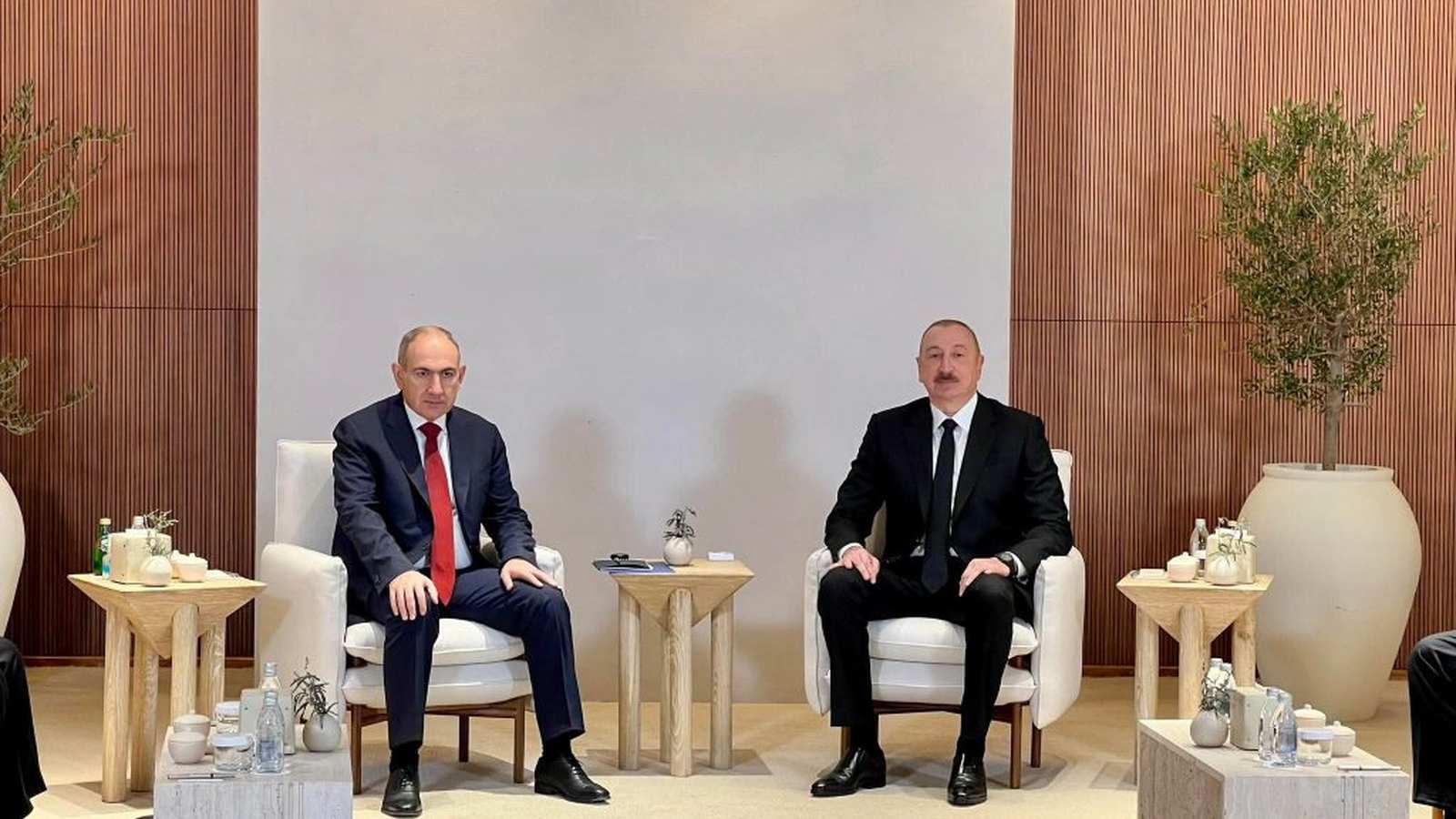
- Armenian Prime Minister Nikol Pashinyan and Azerbaijani President Ilham Aliyev met in Abu Dhabi to discuss the long-running conflict over Artsakh (Nagorno-Karabakh).
- Reports link a potential breakthrough to a stance on Artsakh’s status reportedly expressed by Armenia, a claim that has sparked debate and requires verification.
- No official confirmation of terms or a final agreement was provided by either side.
- Analysts caution against drawing conclusions from a single meeting and emphasize the need for a structured, verifiable process.
- The event underscores rising regional and international interest in mediating a durable settlement.
ABU DHABI — Armenian Prime Minister Nikol Pashinyan and Azerbaijani President Ilham Aliyev met in Abu Dhabi on the sidelines of a regional summit, in what participants described as an effort to push forward the long-stalled peace process over Nagorno-Karabakh, known to Armenians as Artsakh.
The meeting arrives after years of high-level diplomacy and intermittent contact between Yerevan and Baku, with negotiators repeatedly signaling willingness to explore a framework for ending hostilities and addressing post-conflict governance. Yet, after the talks concluded, officials from both sides offered only broad statements underscoring the value of dialogue and the importance of taking concrete steps to reduce tensions, without disclosing any terms of a potential agreement.
Amid a backdrop of stalled negotiations and periodic clashes along the line of contact, observers noted that the Abu Dhabi encounter took place within a broader pattern of regional diplomacy and the growing involvement of Gulf states in mediating disputes in the South Caucasus. The venue itself underscored the shifting landscape of international engagement, with multiple international and regional actors seeking to influence the trajectory of the peace process.
A notable element of the reporting, according to Armenian media, was a claim that a breakthrough was linked to a controversial position on Artsakh’s status—specifically, that Artsakh would be recognized as part of Azerbaijan. The report did not cite named sources, and there has been no official confirmation from Yerevan or Baku to corroborate the assertion. The lack of a formal statement from the governments involved means the claim remains unverified and widely debated among analysts and foreign observers.
In the absence of confirmed terms, both Armenian and Azerbaijani officials stressed that dialogue would continue and that the process would require careful, incremental steps. Many international observers welcomed the renewed contact but warned against drawing premature conclusions from a single encounter. They emphasized that any durable settlement would hinge on verifiable commitments, credible guarantees for security and rights, and a structured framework that could withstand political and security fluctuations in the region.
Analysts highlighted that if there were any real shift on Artsakh’s status, it would carry profound implications for regional security, border governance, and minority rights. Such a move would necessitate robust verification mechanisms and likely extensive international involvement to ensure that any agreement could be implemented and sustained. For now, these considerations remain part of a broader debate about the feasibility and desirability of significant policy changes in the near term.
Observers also pointed to Abu Dhabi’s role as a venue for dialogue, noting that Middle Eastern capitals have increasingly sought to play a mediating function in the South Caucasus. This trend reflects a broader interest among international partners to contribute to stabilization efforts in a region historically mired by conflict and violence, and it signals that the peace process has taken on a new strategic dimension beyond the immediate actors in the dispute.
Moving forward, diplomats say another round of talks is likely, with the aim of articulating a formal ceasefire framework and a roadmap for post-conflict governance. The timeline remains uncertain, and the path to durable peace will require careful navigation of sensitive political issues, sustained political will on both sides, and continued international engagement to support and monitor any agreement that emerges from future discussions.
Final Analysis: The Abu Dhabi meeting highlights the fragility and complexity of the South Caucasus peace process; while it demonstrates that high-level contact remains possible, any lasting settlement will hinge on verifiable commitments, credible guarantees, and broad international support, especially if Artsakh’s status becomes a central issue.