
Quick Read
- Melissa Peterman joked about casting Channing Tatum or Jon Hamm as Gabby’s sperm donor in Happy’s Place.
- The suggestion highlights the impact of celebrity cameos and ensemble storytelling in sitcoms.
- Happy’s Place’s themes echo those of classic romance films like Love Actually.
- Star power and comedic timing are central to both Happy’s Place and Love Actually’s enduring appeal.
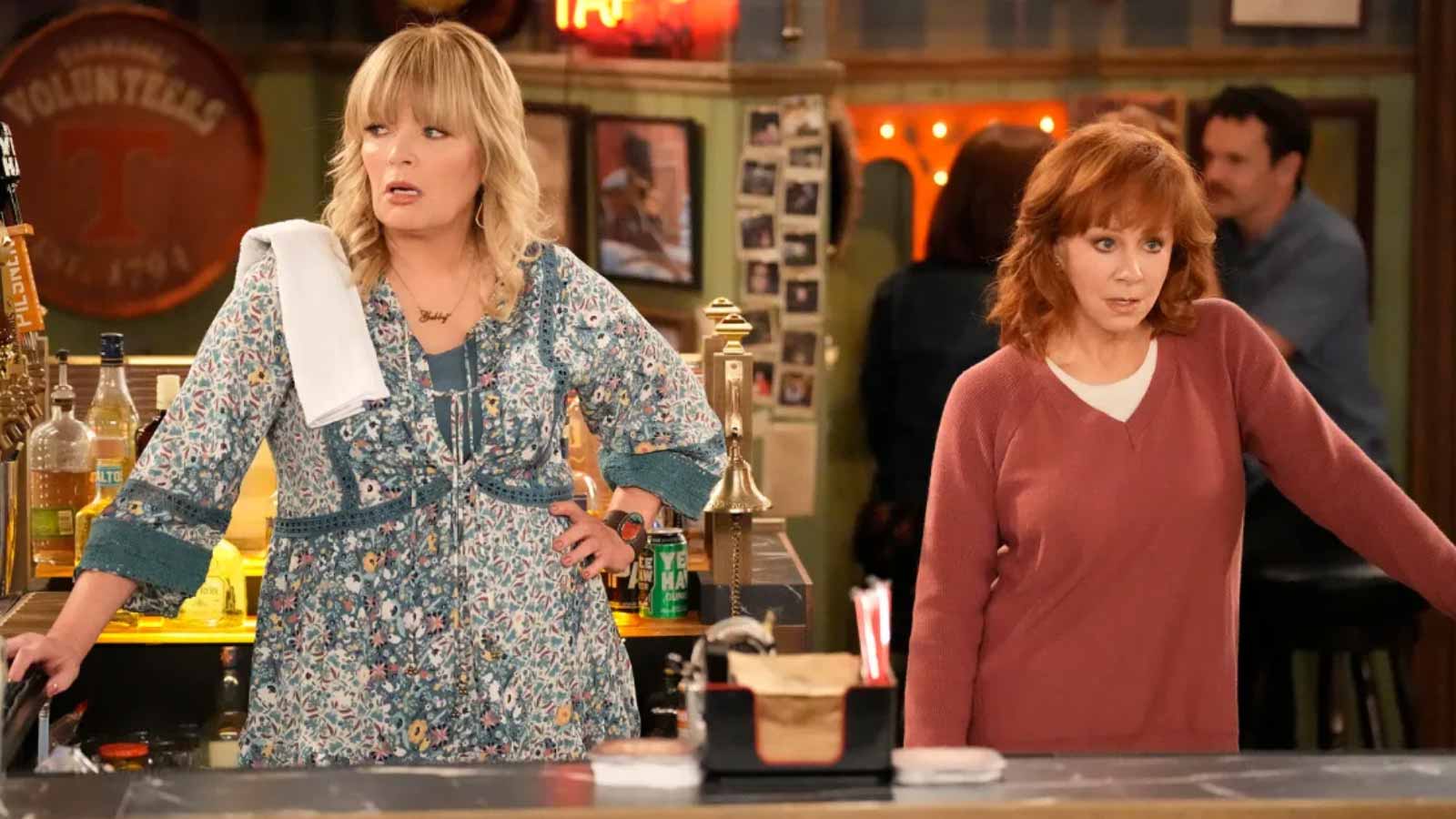
When sitcom stars dream big, sometimes their ambitions reveal more than just casting wish lists—they hint at the timeless appeal of ensemble romance, comedic chemistry, and the emotional resonance that keeps audiences coming back. Melissa Peterman, known for her quick wit and endearing presence in Happy’s Place, recently joked about wanting Channing Tatum or Jon Hamm for a key role in the show’s evolving storyline. Her playful pitch isn’t just a flight of fancy; it’s a nod to the kind of star-studded, emotionally layered storytelling that made films like Love Actually a cultural touchstone.
Celebrity Casting: Why We Dream of Seeing Stars in Sitcoms
In a candid moment with Us Weekly, Peterman floated the idea of casting either Channing Tatum or Jon Hamm as Gabby’s sperm donor in Happy’s Place—a storyline that’s been unfolding since Season 1. The suggestion, though clearly tongue-in-cheek, taps into a broader trend: the magnetic pull of celebrity cameos and how they can transform even the most ordinary plots into memorable television moments. Tatum and Hamm, both known for their ability to straddle comedy and drama, would bring a kind of unpredictable spark reminiscent of the ensemble magic in Love Actually.
Why does this matter? Because audiences crave surprise, authenticity, and the chemistry that only seasoned actors can deliver. Peterman’s dream casting isn’t just about star power; it’s about the potential for deeper emotional resonance—something the best romantic comedies and sitcoms have always offered. As she quipped, “I wouldn’t be surprised if this is also wishful thinking on the actress’ part.” For viewers, the fantasy of seeing big names in familiar settings creates a sense of possibility and excitement.
Happy’s Place and the Enduring Blueprint of Ensemble Romance
Happy’s Place, now in its second season, continues to explore themes of family, choice, and identity—echoing the multifaceted love stories that defined Love Actually. Gabby’s journey to motherhood, including the search for a sperm donor, brings together humor, vulnerability, and hope, much like the interconnected lives in the 2003 classic. While the specifics differ, the underlying formula is the same: a group of relatable characters navigating personal milestones, sometimes with unexpected help from those around them.
Melissa Peterman’s pitch for Tatum or Hamm isn’t just a lighthearted suggestion; it’s a subtle tribute to the genre’s ability to balance laughter and tears. In Love Actually, star power was a vehicle for exploring love in its many forms—from unrequited crushes to family bonds. Happy’s Place aims for similar emotional depth, using humor as a gateway to genuine connection.
Star Power, Chemistry, and the Ripple Effect in TV Comedy
What would it mean for a sitcom like Happy’s Place to land an A-lister as Gabby’s donor? Beyond the obvious ratings bump, it would underscore the importance of casting in shaping audience perception. As Peterman observed, “The chances of them showing up feel slim but, hey, we can dream, right?” That sense of dreaming—of reaching beyond the expected—mirrors the optimism at the heart of romantic comedies. Even if Tatum or Hamm never step onto the set, the idea alone energizes fans and writers alike.
The show’s willingness to poke fun at itself, to imagine wild possibilities, is part of what makes it resonate. Comedy thrives on unpredictability, and when it’s paired with heartfelt storytelling, the results can be transformative. The sperm donor storyline, with its mix of earnestness and levity, is a perfect canvas for the kind of surprise casting that has elevated many sitcoms before. Think of the way Alan Rickman, Hugh Grant, and Emma Thompson brought gravitas and humor to Love Actually—those performances linger because they felt both extraordinary and deeply human.
From Happy’s Place to Love Actually: Why These Stories Endure
At its core, both Happy’s Place and Love Actually tap into the universal desire for connection. Whether through the complicated process of choosing a sperm donor or the tangled web of romantic relationships, these stories remind viewers that love, in all its forms, is messy, unpredictable, and worth celebrating. The fantasy of seeing beloved actors step into new roles is just one more way audiences engage with these narratives, projecting their hopes and dreams onto the characters.
Streaming platforms like Peacock make it easier than ever to revisit old favorites and discover new ones, creating a sense of continuity between generations of viewers. As sitcoms and romantic comedies evolve, the lines between genres blur, and the influence of classics like Love Actually can be felt in the most unexpected places—from the casting choices to the emotional arcs that define each season.
Ultimately, Melissa Peterman’s playful pitch is more than just a celebrity wish list; it’s a reminder that the magic of ensemble storytelling lies in the chemistry between actors, the authenticity of the writing, and the willingness to dream big—even if those dreams never fully materialize on screen.
The enduring appeal of ensemble romance, as seen in both Happy’s Place and Love Actually, is rooted in the power of connection and the unpredictability of human relationships. Peterman’s casting fantasies reflect the collective hope for surprise, laughter, and genuine emotion in entertainment—a hope that keeps audiences tuning in, season after season.