
Quick Read
- Meta acquired Rivos, an AI chip startup, on September 30, 2025.
- Rivos specializes in scalable GPUs and system-on-chip architectures for AI.
- Meta aims to reduce reliance on Nvidia and build internal semiconductor capabilities.
- The acquisition follows Meta’s $14.2B AI infrastructure deal with CoreWeave.
- Meta’s AI investments are projected to exceed $600 billion over three years.
Meta’s Bold Move: Rivos Acquisition Reshapes AI Chip Landscape
Meta Platforms, the parent company behind Facebook and Instagram, has set the stage for a new era in artificial intelligence by acquiring Rivos, a Silicon Valley startup specializing in advanced AI microchips. The deal, reported on September 30, 2025, is more than a simple purchase—it’s a strategic maneuver that could redefine the balance of power in the semiconductor industry.
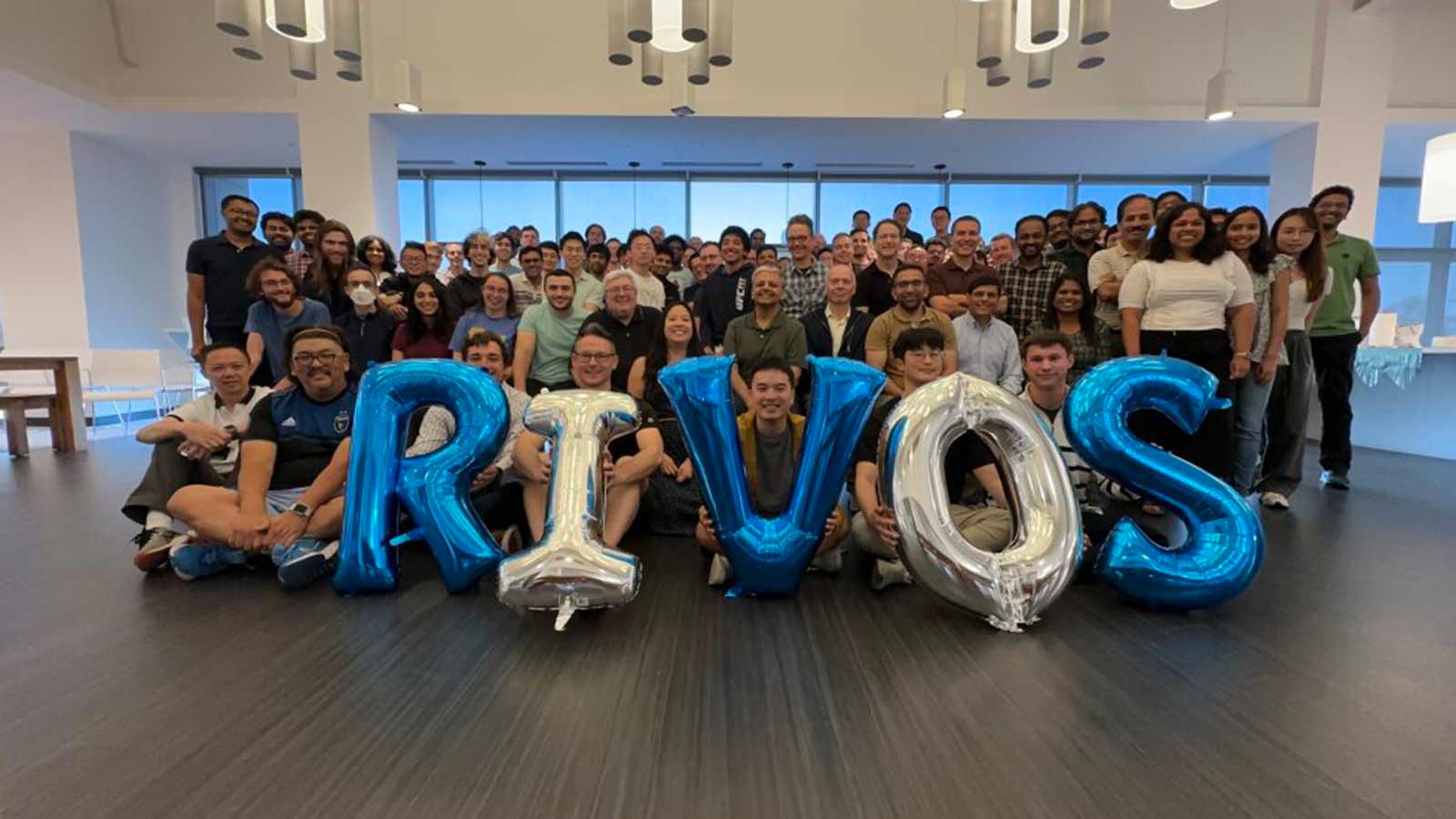
Rivos, founded in 2021, is no ordinary chip company. Its engineering team boasts veterans from Google, Intel, AMD, and Arm, and its scalable system-on-chip architecture is designed for the toughest AI workloads: training, reasoning, and big data analytics. As Bloomberg and Seeking Alpha have reported, Rivos was recently seeking new funding at a $2 billion valuation, a testament to its rapid rise and technical credibility.
Why Meta Needs Rivos: Breaking Free from External Chip Giants
Meta’s ambitions in AI are colossal. The company has pledged more than $600 billion in AI investment over the next three years and expects capital expenditures to top $70 billion in 2025 alone. Until now, Meta has depended heavily on external suppliers—primarily Nvidia and, to a lesser extent, AMD—to power its AI infrastructure. In fact, Meta has purchased hundreds of thousands of Nvidia GPUs to fuel its data centers and machine learning models.
This dependency, while effective, comes at a price. Not only are costs high, but Meta’s reliance on outside suppliers leaves it exposed to supply chain shocks and competitive risks. By acquiring Rivos, Meta is signaling its intent to bring more of its semiconductor development in-house, gaining tighter control over performance, customization, and cost.
The timing is telling. Just as Meta announced its Rivos acquisition, it also revealed a $14.2 billion partnership with CoreWeave, a data center operator whose facilities are packed with Nvidia chips. This dual strategy—building internal capabilities while locking down external resources—underscores Meta’s urgent drive to scale AI infrastructure at a pace few rivals can match.
Inside Rivos: The Startup Powering Meta’s AI Vision
Rivos isn’t just another player in the chip game. Its core technology centers on graphics processing units (GPUs), the backbone of modern AI applications. GPUs are uniquely suited for the vast parallel computations required by neural networks and deep learning, making them essential for companies racing to build smarter, faster models.
What sets Rivos apart is its focus on scalable system-on-chip platforms—solutions that combine processing, memory, and interconnects in a unified architecture. This approach enables more efficient AI training and inference, particularly for data analytics at scale. The company’s leadership, drawn from industry giants, brings expertise in both hardware design and the demands of hyperscale computing.
Meta’s acquisition gives it direct access to these innovations, potentially allowing it to tailor chips specifically for its own AI needs—everything from content moderation algorithms to virtual reality engines powering the metaverse. If Meta succeeds, it could leap ahead in performance and efficiency, making its platforms more responsive and secure.
The Bigger Picture: Shifting Competition and Industry Impact
Meta’s Rivos deal is part of a broader pattern of consolidation and competition in the tech world. Earlier this year, Meta reportedly tried to acquire the Korean chip startup FuriosaAI for $800 million, though FuriosaAI ultimately chose to remain independent. The arms race for AI hardware is fierce, with giants like Google, Amazon, and Microsoft all investing heavily in custom chips to gain an edge.
For Nvidia, the world’s dominant AI chip supplier, Meta’s shift toward internal development could be a warning sign. While the CoreWeave partnership ensures continued demand for Nvidia products, Meta’s investment in its own chips is a clear signal that the days of total reliance on third-party suppliers may be numbered. The semiconductor market, long shaped by cycles of innovation and consolidation, is now being transformed by the explosive growth of AI.
Wall Street has taken notice. Meta’s stock holds a consensus Strong Buy rating among 46 analysts, with an average price target of $876.93—implying nearly 20% upside. Investors see the company’s aggressive AI strategy as a driver of long-term growth, even as the risks and costs of such expansion remain high.
What Comes Next: Risks, Rewards, and the Race for AI Supremacy
Meta’s gamble on Rivos is not without risk. Developing and manufacturing advanced chips is a capital-intensive, technically complex endeavor. Success is far from guaranteed, and the company will need to integrate Rivos’s technology and talent quickly to keep pace with competitors.
Yet the potential rewards are enormous. If Meta can master the art of custom AI chips, it will unlock new capabilities for its platforms, enhance user experiences, and reduce costs over time. The move could also set a precedent for other tech giants, prompting further investment in semiconductor R&D and reshaping the competitive landscape.
Meta’s acquisition of Rivos is more than just another headline—it’s a statement of intent. In the race to build the future of AI, the company is betting big on innovation, control, and scale. Whether this gamble pays off will depend on execution, market dynamics, and the relentless pace of technological change.
Meta’s purchase of Rivos marks a turning point in the battle for AI hardware dominance. By investing in internal chip development, Meta is challenging the status quo, reducing its dependence on suppliers like Nvidia, and potentially setting a new standard for how tech giants build and control their AI infrastructure. The outcome will shape not just Meta’s future, but the entire trajectory of AI-driven technology in the years ahead.