
Quick Read
- Metroid Prime 4: Beyond launched globally on December 4, 2025, for Nintendo Switch and Switch 2.
- The game’s development restarted in 2019 under Retro Studios after initial delays.
- Prime 4 prioritizes atmospheric exploration, new mechanics, and a return to the franchise’s signature solitude.
- Switch 2 version supports optional 4K/60fps and mouse-style controls; file sizes are 28.9 GB (Switch) and 31.6 GB (Switch 2).
- A launch-day patch (v1.1.0) added amiibo support, controller rumble, and gameplay tweaks.
Metroid Prime 4 Release Date: A Return Long in the Making
For many, December 4, 2025 will be remembered as the day Samus Aran finally set foot in a new world. Metroid Prime 4: Beyond doesn’t just add another number to a beloved franchise; it closes an eighteen-year chapter of anticipation, rumors, and restarts. The release marks a rare moment when patience—sometimes bordering on disbelief—pays off for fans and for Nintendo itself.
Why This Launch Resonates: More Than Nostalgia
Metroid Prime 4’s arrival on both the original Nintendo Switch and the newer Switch 2 is a calculated move. Nintendo made sure not to leave behind loyalists who stuck with their first-gen hardware. The game launches globally at midnight local time, with U.S. West Coast players able to jump in as early as 9 p.m. Pacific (Inverse). That means no matter where you are, the return to Metroid’s signature solitude and sci-fi discovery is only a download away.
But what makes this release feel more like a revival than a mere sequel? It’s the atmosphere. Prime 4 doubles down on slow, thoughtful exploration—an antidote to today’s fast-paced shooters. Retro Studios, the developer who took over after a dramatic project restart in 2019, didn’t just mimic what came before. They brought back scanning as a central mechanic, refashioning it to reward curiosity rather than checklist completion. Psychic abilities and reactive environments freshen the formula, and while NPCs exist, their presence never overshadows the franchise’s signature sense of isolation.
Development Odyssey: From Promise to Reality
The journey to launch was anything but straightforward. Nintendo first teased Metroid Prime 4 at E3 2017, sparking hope across the gaming world. But by 2019, it was clear the project needed a reset. The baton passed to Retro Studios, original architects of the Prime series. This reboot meant more years of work, yet it gave the project a chance to recapture the DNA that made the franchise iconic (Meyka).
Along the way, Metroid’s profile fluctuated. The release of Metroid Dread in 2021 reignited interest, but fans still craved the atmospheric, first-person exploration that only Prime delivered. Nintendo saw Prime 4 not just as a nostalgia play, but as a strategic bridge—uniting old fans and newcomers, and reasserting the company’s place in core gaming.
What’s New, What’s Familiar: Gameplay and Design
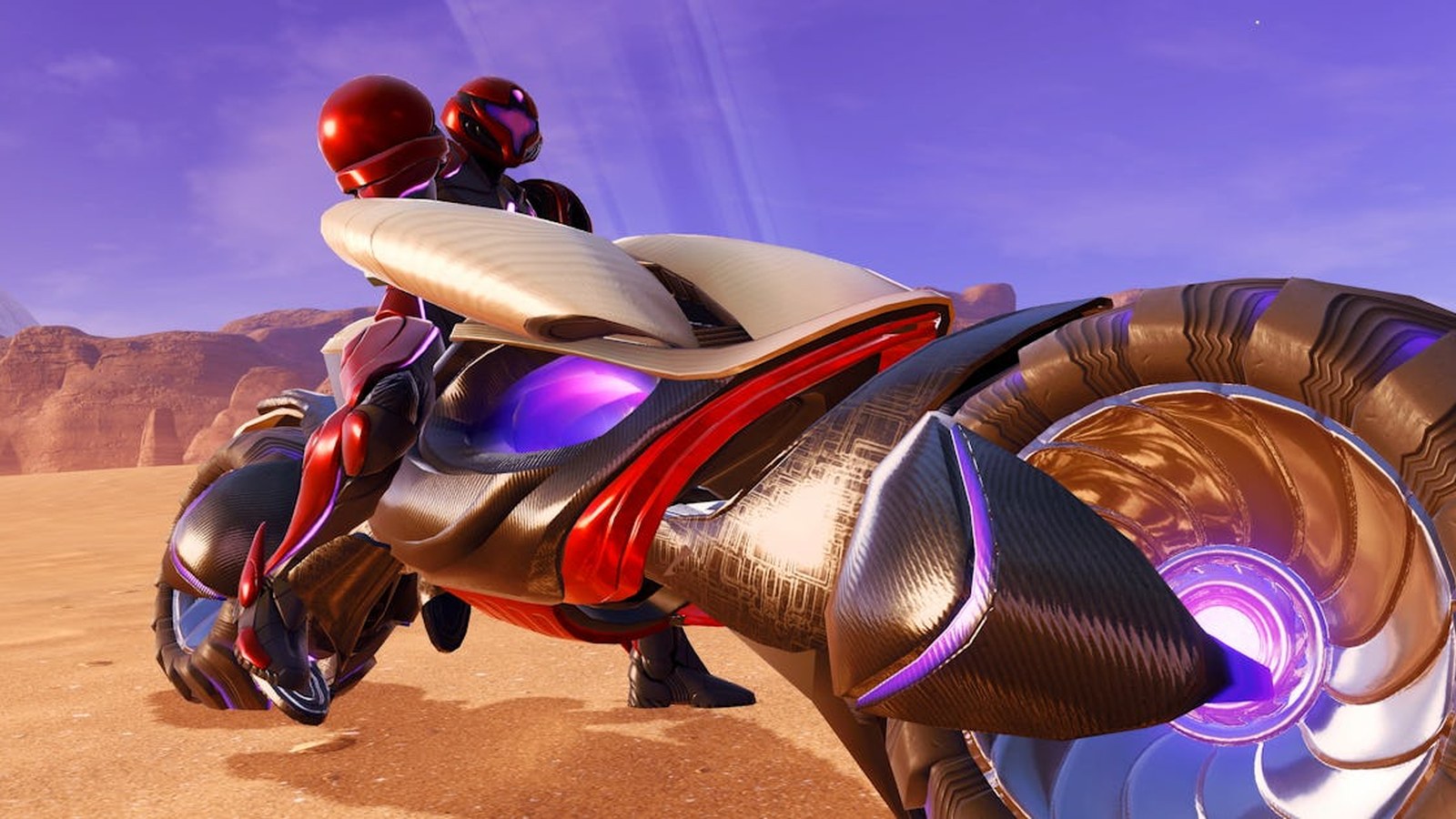
Prime 4 refuses to chase the breakneck speed dominating modern shooters. Instead, the game’s pace is deliberate, its combat focused on pattern recognition and tool usage. Verticality and layered biomes reward observation and patience. New features, like the motorcycle Vi-0-La, offer faster traversal without sacrificing the tension of exploration. Optional mouse-style controls on Switch 2 add precision, making the experience more accessible without diluting its core.
The worldbuilding is subtle yet deep. The planet Viewros introduces new species, ruins, and lore—uncovered not through lengthy cutscenes, but by piecing together environmental clues and data logs. Samus herself remains an enigmatic presence; players see glimpses of her inner life, but the game resists over-explaining. Rivalries, especially with familiar faces like Sylux, bubble beneath the surface, maintaining the series’ tradition of mystery.
Technical Choices and Launch-Day Updates
Prime 4’s simultaneous release on Switch and Switch 2 comes with technical trade-offs. The Switch 2 version boasts optional 4K at 60 fps and 1080p at 120 fps, pushing Nintendo’s hardware further than ever before (Inverse). The original Switch edition preserves gameplay structure, sacrificing some visual flourishes for stability. On launch day, Nintendo rolled out a 1.1.0 update, adding amiibo support, cinematic controller rumble, a streamlined upgrade path for Switch 2 users, and tweaks to difficulty and gallery unlocks (Nintendo Life).
Physical editions are available for both consoles, each shipping on a standard cartridge—no download keys required. Preloading is encouraged, as file sizes reach 28.9 GB for Switch and 31.6 GB for Switch 2. With these decisions, Nintendo aims to minimize friction and maximize accessibility for all players.
Critical Reception: A Bold, Imperfect Revival
Early reviews landed in the “mixed to positive” range. Critics praised the level design, atmospheric audio, and the renewed focus on exploration. Some called it “the boldest, most well-realised Metroid game to date,” while others flagged uneven pacing, NPC involvement, and open areas that sometimes slow momentum (Nintendo Life). Metacritic scores reflect strong appreciation, tempered by clear reservations. The legacy of Prime 4 may hinge on how players balance its ambition against the purity of earlier entries.
For Nintendo, the launch demonstrates a willingness to invest in patient, auteur-driven development. The company’s transparent restart and careful stewardship set an example for an industry often obsessed with rapid releases and live service models. Prime 4 stands as proof that single-player, atmospheric games still matter.
Cultural Impact and Future Prospects
The significance of Metroid Prime 4 goes beyond its immediate sales. It validates the long development cycle and sets the stage for future expansions, spin-offs, and possibly even a multimedia push. Retro Studios has re-established a tonal compass for the series, and if player engagement matches critical interest, Nintendo may pursue a faster cadence of content updates.
The game’s arrival is a signal to smaller studios: atmospheric, exploration-led titles can thrive in a market dominated by blockbusters. It also hints at a broader creative range for Nintendo, balancing family-friendly fare with mature, narrative-driven experiences.
Final Thoughts: Why This Release Matters
After 18 years, Metroid Prime 4 is more than just a new game—it’s a testament to patience, faith, and the enduring appeal of solitude and discovery. The launch isn’t flawless, but it’s undeniably significant. Samus Aran’s journey in Prime 4 reconnects players to the roots of the franchise, while experimenting enough to spark debate and anticipation for what comes next.
In an era of instant gratification and constant updates, Metroid Prime 4’s methodical return challenges the industry norm, proving that slow-burn adventure and careful craftsmanship still hold a vital place in gaming’s future.