
Quick Read
- Mia Goth was set to play Lilith, a major villain in Marvel’s Blade reboot.
- She recently revealed the project ‘just unraveled’ after extensive rewrites and production delays.
- Blade’s future in the MCU remains uncertain, with fans still hoping for a revival.
- Goth continues to rise as a unique and influential figure in Hollywood.
Mia Goth Breaks Her Silence on Scrapped Blade Role
For over a year, rumors swirled about Mia Goth’s involvement in Marvel’s much-anticipated Blade reboot. In April 2024, the rising star—fresh off her acclaimed turn in Pearl—was announced to play Lilith, a legendary villain from the comics, opposite Mahershala Ali’s Blade. But as 2025 closes, Goth herself has finally shed light on what happened behind the scenes, and why fans are still waiting for the vampire hunter’s MCU debut.
In a candid interview with the Happy, Sad, Confused podcast, Goth spoke about her experience with the Blade project, which has been stuck in development limbo. When host Josh Horowitz asked about the film’s latest scrapped draft, Goth admitted, “It just unraveled.” Her words echoed what industry watchers have suspected: Marvel’s ambitious reboot, beset by script rewrites and creative changes, remains on shaky ground. (The Direct, Gazettely)
The Blade Reboot: What Went Wrong?
Blade was supposed to mark a new chapter for Marvel, introducing a darker, horror-infused edge to its cinematic universe. The casting of Goth as Lilith signaled a bold move—her reputation for fearless, complex roles (see X, Pearl) made her a fan favorite for the part. But as production delays mounted, the script underwent multiple rewrites. Reports suggest that after screen tests in Atlanta, the project “just unraveled,” as Goth put it.
Insiders cited creative differences, shifting priorities, and the challenge of integrating Blade’s unique tone into the sprawling MCU as major obstacles. Goth’s comments, though measured, hint at frustration and disappointment—not just for her, but for the legions of fans who hoped to see her bring Lilith’s menace to life.
“You know, there’s so much potential,” Goth told Horowitz. “But sometimes, things just don’t come together the way you hope.” Her honesty is rare in an industry that often prefers polished optimism over reality checks.
Mia Goth’s Career: Rising Star Amid Uncertainty
Despite the setback, Mia Goth’s star continues to rise. Her name is frequently mentioned alongside other breakout talents redefining Hollywood’s landscape. In 2025, she appeared on Jimmy Kimmel Live, sharing the night’s spotlight with Michelle Obama (DailyKos). Her presence—quirky, intense, and unapologetically unique—has made her a favorite of both directors and audiences.
Goth’s journey is emblematic of a new breed of actors: those who are willing to take risks, challenge genre boundaries, and embrace complex, sometimes unsettling roles. Her performances in horror, drama, and art-house films have won her praise, but she’s also become a fixture in pop culture conversations and late-night TV.
In an era where celebrity status is often fleeting, Goth’s ability to weather setbacks and stay relevant speaks to her resilience. Her openness about Blade’s collapse offers a refreshing look behind the Hollywood curtain—a reminder that even the biggest franchises aren’t immune to failure.
Why Mia Goth’s Lilith Still Matters to Fans
For Marvel enthusiasts, Lilith is no ordinary villain. In the comics, she’s a formidable foe—immortal, manipulative, and deeply connected to Blade’s mythos. Goth’s casting generated excitement not just for her acting chops, but for the promise of a new kind of MCU antagonist: one with emotional complexity and genuine menace.
The disappointment over the scrapped Blade draft is palpable in fan circles. Social media lit up with reactions to Goth’s interview, with many expressing hope that Marvel might still find a way to resurrect the project. Some pointed to the studio’s history of retooling and reviving troubled productions, while others wondered if the MCU’s sprawling ambitions were starting to show cracks.
For now, the future of Blade—and Goth’s role in it—remains uncertain. But the buzz around her performance, even in a film that never materialized, is a testament to her impact. She’s become a symbol of what Hollywood could be: daring, unpredictable, and unafraid to confront setbacks head-on.
Mia Goth’s Place in Modern Celebrity Culture
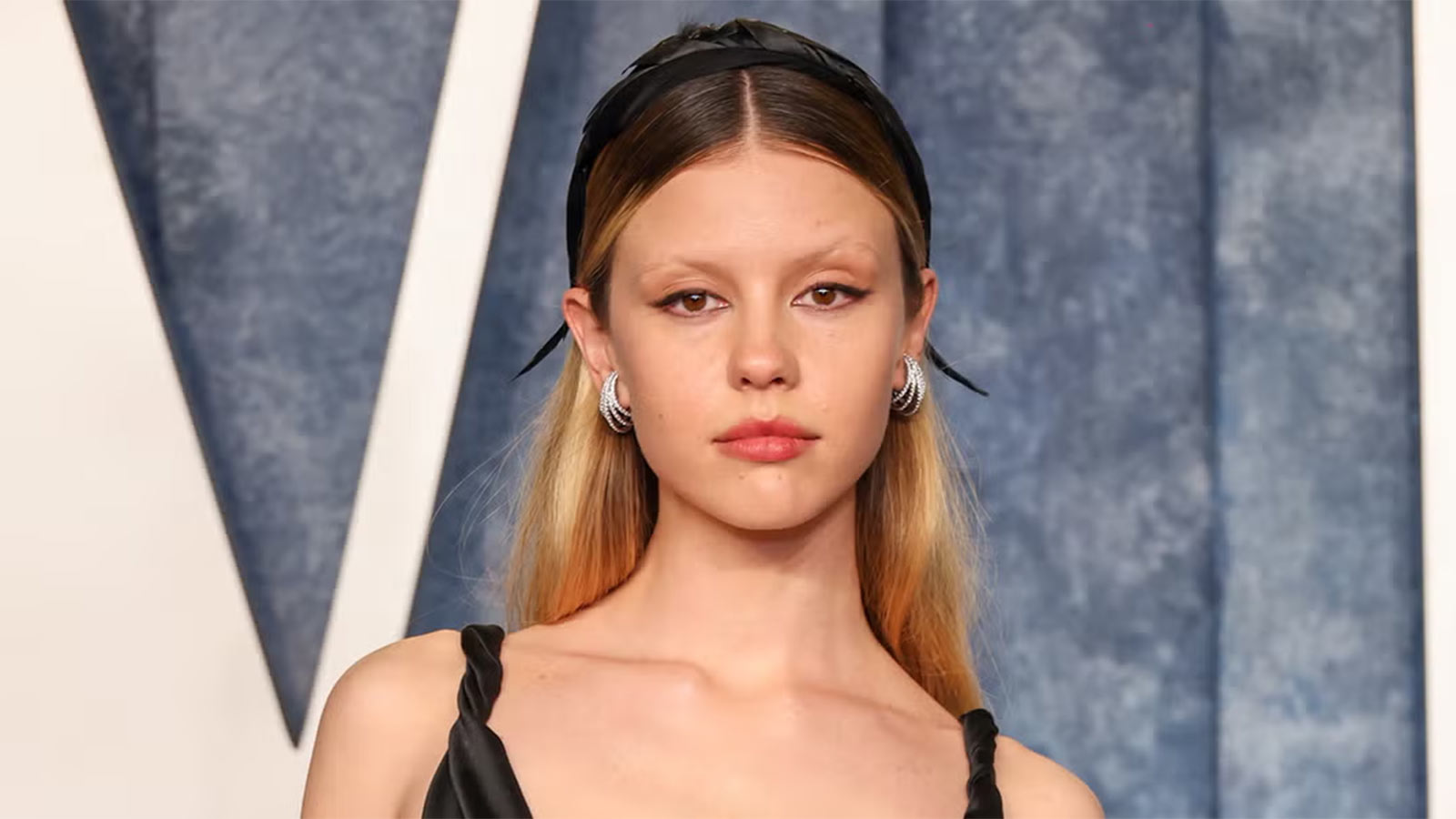
It’s not just genre fans who are paying attention. Goth’s appearances on red carpets and talk shows have been part of the wider cultural conversation about fashion, fame, and artistic risk. While 2025 was packed with headline-grabbing style moments—Emma Stone’s pixie cut, Kendrick Lamar’s Super Bowl jeans (Tatler Asia)—Goth’s aesthetic has been defined by her understated, slightly off-kilter charm.
Her willingness to speak openly about professional disappointments sets her apart from the standard Hollywood playbook. In an industry that often hides its bruises, Goth’s transparency is both brave and relatable. She reminds us that behind every blockbuster, every casting announcement, there are real people—hoping, striving, sometimes falling short, but always pushing forward.
As the MCU faces its own growing pains, actors like Mia Goth will be crucial to its evolution. Whether or not Blade finds its way to screens, her influence on the genre—and on the culture at large—seems destined to grow.
Assessment: Mia Goth’s frank reflection on the collapse of her Marvel villain role is more than just Hollywood gossip—it’s a window into the realities of an industry in flux. Her resilience, candor, and enduring appeal mark her as one of the most compelling talents of her generation. In a year defined by both dazzling highs and sobering setbacks, Goth’s story reminds us that success in entertainment is as much about perseverance as it is about spotlight moments.