
Quick Read
- Michael J. Fox guest stars in Season 3 of Apple TV’s ‘Shrinking,’ which premiered on January 30, 2026.
- His role as Gerry, a character with Parkinson’s, marks a return to acting after his 2020 retirement.
- Fox recently criticized the previous U.S. presidential administration for insufficient support for Parkinson’s research.
- The Michael J. Fox Foundation has supported University of Queensland research on a new drug showing promise in halting Parkinson’s progression.
- The foundation has raised over $2.5 billion for Parkinson’s disease research since its establishment in 2000.
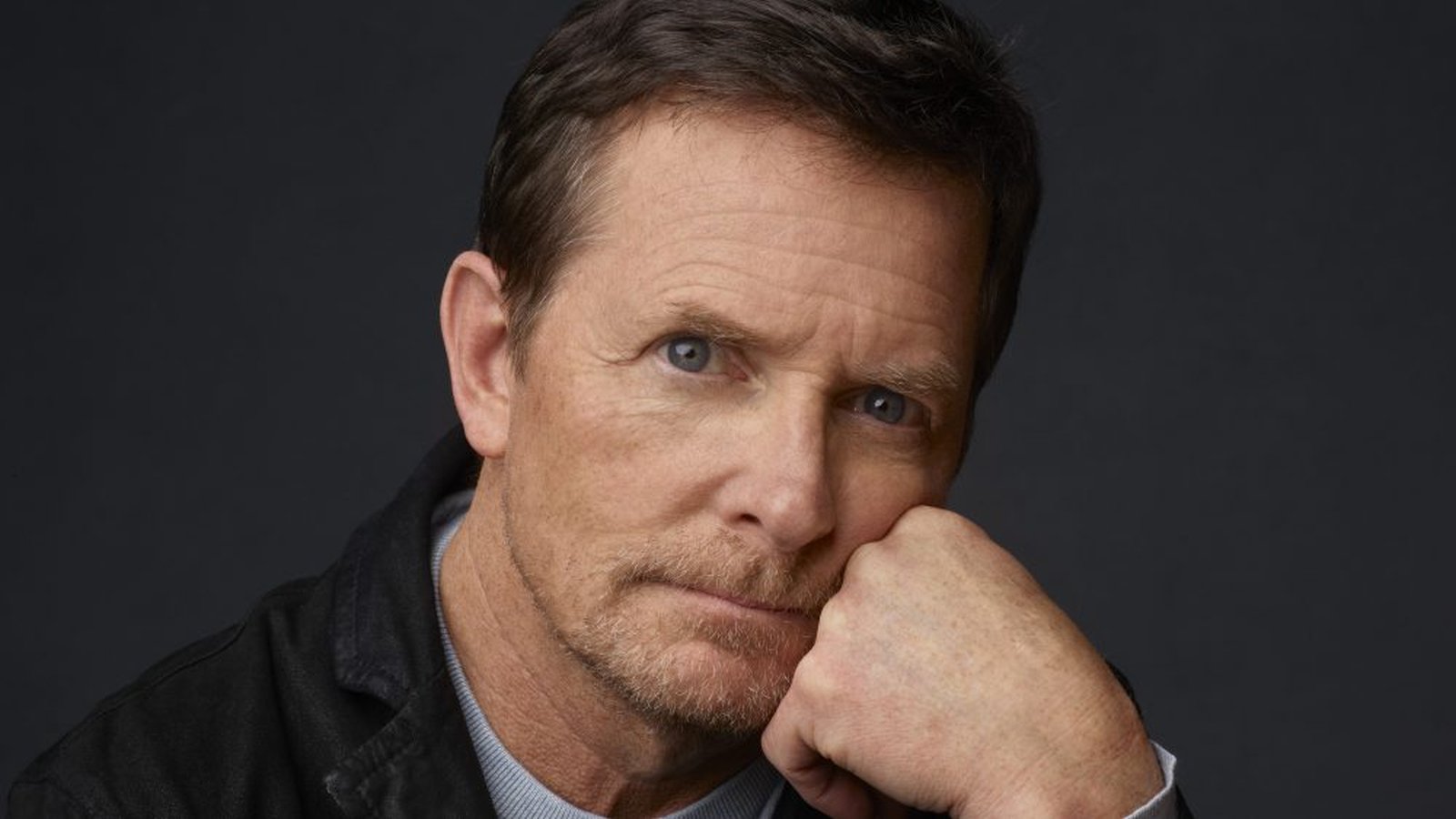
WASHINGTON (Azat TV) – Esteemed actor and Parkinson’s advocate Michael J. Fox has made a notable return to acting with a guest role in the third season of Apple TV’s critically acclaimed drama Shrinking, which premiered on January 30, 2026. His appearance comes as he continues to champion significant advancements in Parkinson’s disease research, including a new drug breakthrough supported by his foundation, while also publicly criticizing past governmental efforts for their perceived lack of engagement in the fight against the neurodegenerative condition.
Michael J. Fox’s Return to the Screen
Fox, who formally retired from acting in 2020, takes on the role of Gerry in Shrinking Season 3. His character, like Fox himself, grapples with a Parkinson’s diagnosis and seeks therapy from Dr. Paul Rhoades, portrayed by Harrison Ford. This marks a return for Fox, who previously stepped away from acting due to the increasing challenges Parkinson’s presented, particularly with memorizing and delivering complex lines, as he recounted to the Los Angeles Times. He described his 2020 decision to leave the profession as “non-emotional and kind of ok,” noting difficulties with “screeds of legalese” in shows like The Good Fight.
Despite his retirement, Fox emphasized that this guest role is not an attempt to re-establish his acting career. Instead, he saw it as an opportunity to engage with a “beautiful show” for its own sake, especially with the involvement of Harrison Ford. He told People magazine that the Shrinking set provided a supportive environment where he didn’t have to constantly worry about being too tired or coughing, allowing him to focus on the performance. This is not Fox’s first return to acting after a retirement; he was previously persuaded by co-creator Bill Lawrence to guest star on Scrubs after stepping back from Spin City.
Shrinking, also starring Jason Segel, has garnered significant praise from viewers and critics alike for its third season. Fans on X (formerly Twitter) hailed the premiere as “incredible” and the “best show on television,” with many commending its brilliant writing and cast. Critics, including The Guardian and The Telegraph, have largely offered positive reviews, singling out Harrison Ford’s performance.
Advocating for Parkinson’s Research
Beyond his acting, Michael J. Fox remains a powerful voice in the global effort to combat Parkinson’s disease. In a joint interview with Harrison Ford for Vanity Fair, Fox openly critiqued the previous U.S. presidential administration, led by Donald Trump, for what he perceived as a lack of commitment to Parkinson’s research. He pointed out that his organization, The Michael J. Fox Foundation, directs more funds towards Parkinson’s research than the federal government itself. Established in 2000, the foundation has reportedly raised over $2.5 billion for research into the disease.
Fox, who was diagnosed with Parkinson’s in 1991 at the height of his career, received the Presidential Medal of Freedom from President Joe Biden shortly before his departure from office, recognizing his contributions to both acting and advancing Parkinson’s treatments. He has consistently called upon elected officials to partner with his foundation, emphasizing the “unprecedented potential to deliver enormous payoffs for American families” through dedicated research funding.
New Frontiers in Parkinson’s Treatment
The advocacy of The Michael J. Fox Foundation continues to yield tangible results in the scientific community. University of Queensland researchers recently announced the development of a promising new anti-inflammatory drug for Parkinson’s disease, a project significantly supported by The Michael J. Fox Foundation and the Shake It Up Australia Foundation. Lead author Dr. Eduardo Albornoz Balmaceda noted that testing in mice models showed the oral drug effectively blocked inflammation in the brain, improved motor function, and prevented the death of dopamine-producing neurons, thereby halting the disease’s progression.
A key aspect of this breakthrough is the use of advanced simultaneous positron emission tomography (PET) and magnetic resonance imaging (MRI) to observe the drug’s effects within the living brain. This imaging capability provides a crucial tool for tracking target engagement and disease progression, essential for designing future human clinical trials. Professor Trent Woodruff, Group Leader of UQ’s Neuroinflammation Lab, described this as a significant step forward, especially given that current therapies primarily alleviate symptoms rather than slowing or stopping the disease’s progression. This new class of drugs, targeting parts of the immune system called ‘inflammasomes,’ holds the potential to fundamentally change Parkinson’s treatment.
The Enduring Impact of Michael J. Fox
Michael J. Fox’s dual presence—both in the public eye through his acting and behind the scenes through his relentless advocacy—underscores a powerful narrative of resilience and hope. His willingness to take on roles that reflect his own experience, such as Gerry in Shrinking, not only allows him to continue his craft on his own terms but also brings a vital, authentic representation of living with Parkinson’s to a wide audience. Simultaneously, his foundation’s strategic investments in cutting-edge research are directly contributing to breakthroughs that could redefine the future for the millions affected by this disease globally.
His sustained public engagement and philanthropic efforts ensure that Parkinson’s disease remains a priority, driving both public awareness and scientific innovation in a way that few other figures could achieve.