
Quick Read
- A series of tornadoes last week resulted in four deaths, marking the deadliest such event in Michigan in 46 years.
- The National Weather Service has issued new alerts for severe thunderstorms and potential tornadoes in southeast Michigan.
- Governor Gretchen Whitmer has requested a federal investigation into the state’s severe weather warning systems following public outcry.
DETROIT (Azat TV) – Michigan is bracing for another round of severe weather this week, just days after a rare and deadly series of tornadoes claimed four lives and left a trail of destruction across the state. The National Weather Service (NWS) has issued fresh warnings for southeast Michigan, alerting residents to the potential for damaging winds, flooding, and further tornado activity starting Tuesday evening.
Renewed Tornado Threat and Public Safety
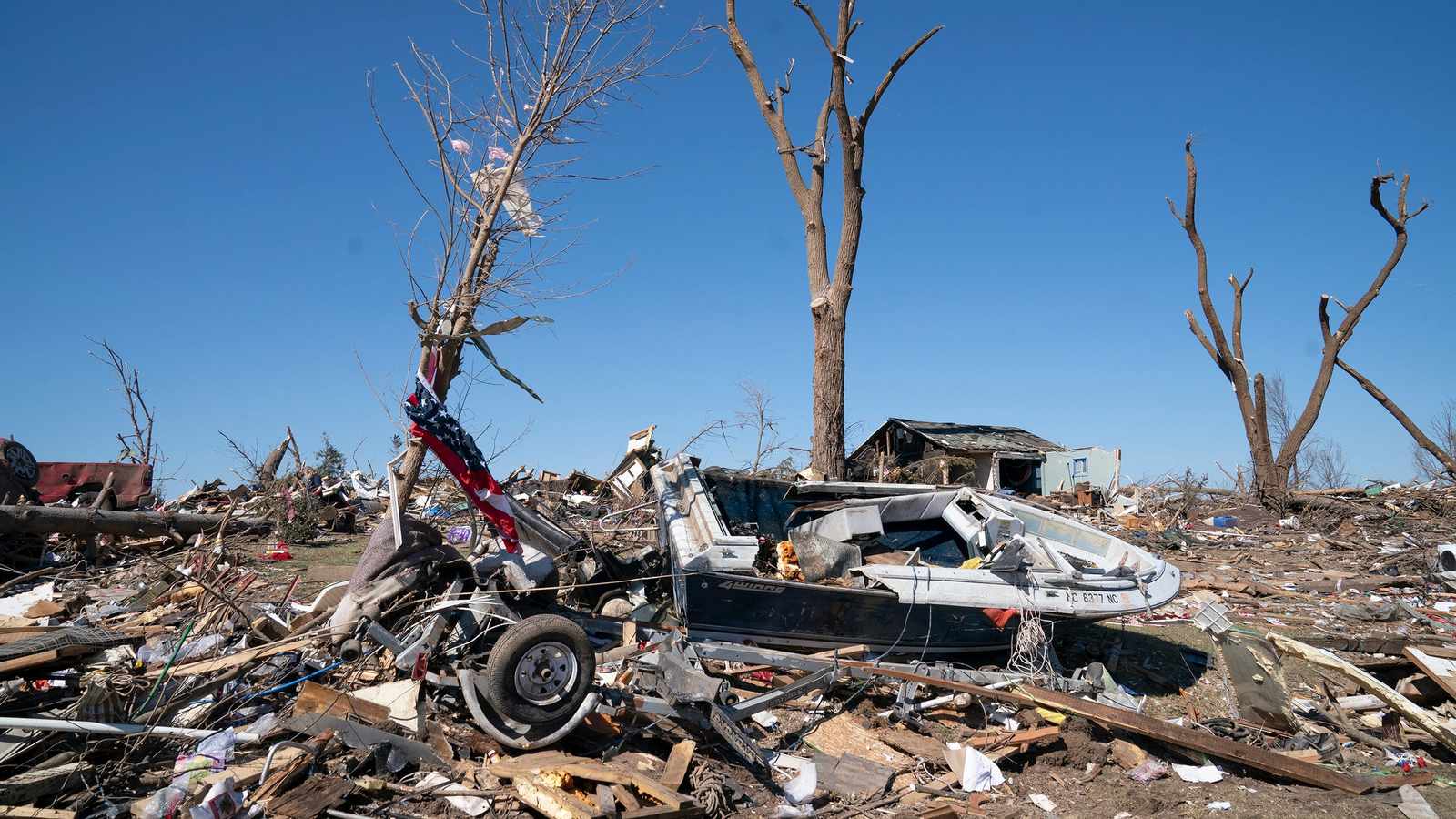
The latest weather alerts follow the March 6 outbreak that saw four tornadoes strike southwest Michigan, including an EF3 twister in Union City. According to the NWS, the Union City storm reached wind speeds of 160 mph, marking it as the earliest EF3-strength tornado ever recorded in Michigan history. The suddenness of the event, which struck within three minutes of appearing on radar, has triggered a broader political and safety review.
Meteorologists at the White Lake Township office confirmed that severe thunderstorm activity is expected to persist through Wednesday morning. The Great Lakes Water Authority has concurrently advised residents in low-lying areas to remain vigilant against potential sewer backups and flooding, citing the high saturation of the ground following the previous week’s heavy rainfall.
Political Scrutiny of Warning Systems
The intensity of the recent storms has prompted Governor Gretchen Whitmer to call for a formal federal investigation into the efficacy of the National Weather Service’s warning systems. Lawmakers have expressed concern regarding whether current funding levels and staffing at the NWS are sufficient to handle the increasing frequency of extreme weather events in the Midwest.
While climate experts, including Central Michigan University professor John Allen, note that there is no definitive evidence that the frequency of high-end tornadoes is increasing due to climate change, they acknowledge that warmer, earlier springs are creating conditions that allow severe weather to develop more readily. The rapid formation of the recent “supercell” storm—a rotating thunderstorm characterized by intense updrafts—highlighted the difficulty of providing long-lead warnings for such volatile events.
Preparedness in a Changing Climate
As Michigan enters its traditional severe weather season, state officials are urging citizens to review their emergency plans. Residents are advised to distinguish between a “watch,” which signals the need for preparation, and a “warning,” which requires immediate action. Statewide tornado drills are scheduled across the Great Lakes region for mid-March to reinforce these safety protocols.
The tragedy of the recent storms, combined with the unprecedented timing of the Union City EF3 tornado, underscores a critical shift in regional weather patterns that is challenging both infrastructure resilience and the predictive capabilities of emergency services.