
Quick Read
- Micron will discontinue the Crucial consumer memory brand by February 2026.
- The company is refocusing production on high-margin AI and data center clients.
- Crucial’s exit is expected to reduce consumer choice and raise memory prices.
- Micron will honor warranties and support for existing Crucial products.
- Samsung and SK Hynix now dominate the consumer DRAM market.
Micron Ends Crucial: A Strategic Pivot in the Memory Industry
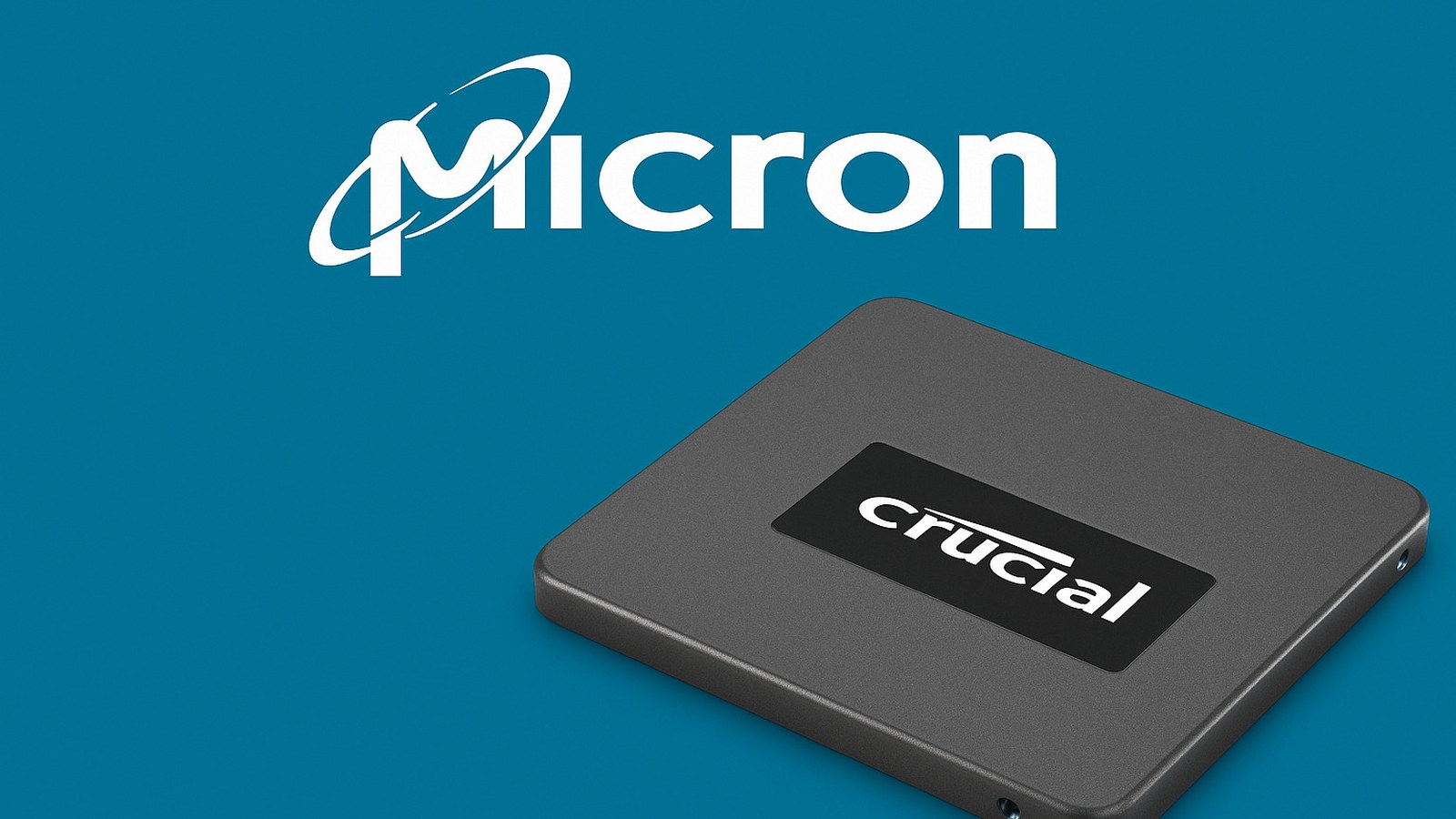
After nearly 30 years as a staple for PC builders and tech enthusiasts, Micron Technology announced it will discontinue its consumer memory brand, Crucial, by the end of February 2026. The decision marks a significant change in strategy, as the company pivots away from consumer products to focus on serving AI, data centers, and large enterprise clients. Micron’s move is driven by the explosive demand for high-end memory solutions in the age of artificial intelligence, as well as shrinking margins and fierce competition in the retail market.
Why Is Micron Dropping Crucial?
Micron’s Chief Business Officer Sumit Sadana stated, “The AI-driven boom in the data center sector requires a stronger focus on our strategic customers.” This official explanation, cited by Reuters, underscores the company’s intent to redirect resources toward high-bandwidth memory (HBM), DDR5, and advanced NVMe solutions, which command significantly higher margins than consumer products like DDR4 RAM and SATA SSDs. As AI workloads proliferate, data centers and tech giants like Nvidia, Microsoft, and Amazon are willing to pay top dollar for the latest memory technology, creating an economic incentive that Micron cannot ignore.
The practical reality is stark: every wafer and die area in Micron’s production lines must now generate maximum revenue. Manufacturing a 1TB consumer SSD is no longer profitable when the same production capacity can be used to produce HBM modules for AI servers at up to ten times the margin. The consumer segment, once a reliable foundation for Micron’s business, has become economically unsustainable.
The Impact on Consumers and the Market
For decades, Crucial was the go-to brand for affordable, dependable memory upgrades. From hobbyists and gamers to small businesses, Crucial’s blend of reliability, price, and availability earned it a loyal following. The withdrawal of Crucial is not just a business decision—it’s a symbolic turning point for the consumer tech landscape.
According to The Verge, this move sends a clear warning to PC builders and everyday users: the era of cheap, quality memory is fading. Memory prices are already soaring, driven by AI demand. For example, a standard 32GB DDR5 RAM kit that cost $82 in August now fetches $310—a near quadrupling within months. Industry experts warn that shortages could persist until 2028, as AI and enterprise needs crowd out consumer supply.
With Micron’s exit, market concentration intensifies. Samsung and SK Hynix now control roughly 70% of the consumer DRAM market, and both are prioritizing enterprise clients. Retailers and system integrators, who relied on Crucial’s products to serve budget-conscious customers, are left searching for alternatives. The gap left by Crucial is unlikely to be filled quickly or easily, especially in markets with currency fluctuations or unstable logistics.
What Happens Next for Crucial Users?
Micron has pledged to honor warranties and continue technical support for existing Crucial purchases. Products under the Crucial brand will remain available until February 2026. Affected employees are to be reassigned internally, with no mass layoffs planned. Yet, for the millions who trusted Crucial for affordable upgrades, the message is clear: the company’s priorities have shifted decisively toward enterprise clients.
As noted by Stock Exchange Express, this transition is part of a larger trend in the semiconductor industry, where manufacturers are abandoning low-margin, high-volume consumer markets in favor of more profitable enterprise and AI segments. The consumer market’s shrinking relevance means less choice and higher prices for end users.
A Global Shift: AI Reshapes the Memory Business
The story of Crucial’s retirement is emblematic of broader changes in the global semiconductor landscape. As Reuters highlights, the supply and demand shock in memory chips has forced companies to prioritize high-bandwidth products for AI and data centers. The future of storage and memory lies not in personal computers, but in GPU-accelerated data centers powering the next generation of artificial intelligence.
Micron’s stock has soared 175% in 2025, fueled by massive contracts for HBM memory used in AI chips from Nvidia and AMD. The company has already presold its entire HBM production through 2026. Every major chip manufacturer is racing to meet the insatiable appetite of AI workloads, leaving everyday computer users with dwindling options and rising costs.
Framework, a popular modular laptop maker, has stopped selling standalone laptop memory to prevent scalping, while CyberPowerPC announced mandatory price hikes starting December 7. These ripples are felt across the industry, as supply tightens and prices climb.
Micron’s strategic shift is not happening in isolation. It reflects an industry-wide pivot toward fewer, larger customers, and away from the mass consumer market. This concentration could lead to permanent changes in how memory products are developed, distributed, and priced.
The End of an Era, the Start of a New One
For many, Crucial was more than a brand—it was an accessible entry point to reliable, affordable technology. Its exit marks the end of an era where PC upgrades were simple and within reach for hobbyists and small businesses. The market now faces a future shaped by the needs of AI and enterprise clients, with consumers left to navigate higher prices and fewer choices.
Micron’s decision is a calculated, strategic move—one that may pay off handsomely for the company as AI and data center demand continues to surge. But for millions of everyday users, it’s a clear loss, signaling a new phase in the memory market where the needs of the few outweigh the needs of the many.
Micron’s retirement of Crucial stands as a watershed moment for the tech industry. It’s a story of shifting priorities, market realities, and the relentless advance of AI. While the decision may be financially sound for Micron, it leaves consumers facing a less competitive, more expensive landscape—a stark reminder of how technological progress can sometimes come at the cost of accessibility and choice.