
Quick Read
- The Miami Dolphins suffered a 28-6 defeat to the Baltimore Ravens, dropping to 2-7 for the season.
- Head coach Mike McDaniel faces mounting criticism and speculation about his future with the team.
- Former Dolphins lineman Richie Incognito claims the team has quit on McDaniel and calls for a cultural reset.
- Quarterback Tua Tagovailoa struggled, and fan frustration was evident as many left the stadium early.
- The Dolphins’ ownership is under pressure to consider major changes, including possible coaching shifts.
Mike McDaniel’s Dolphins: A Season Unraveling
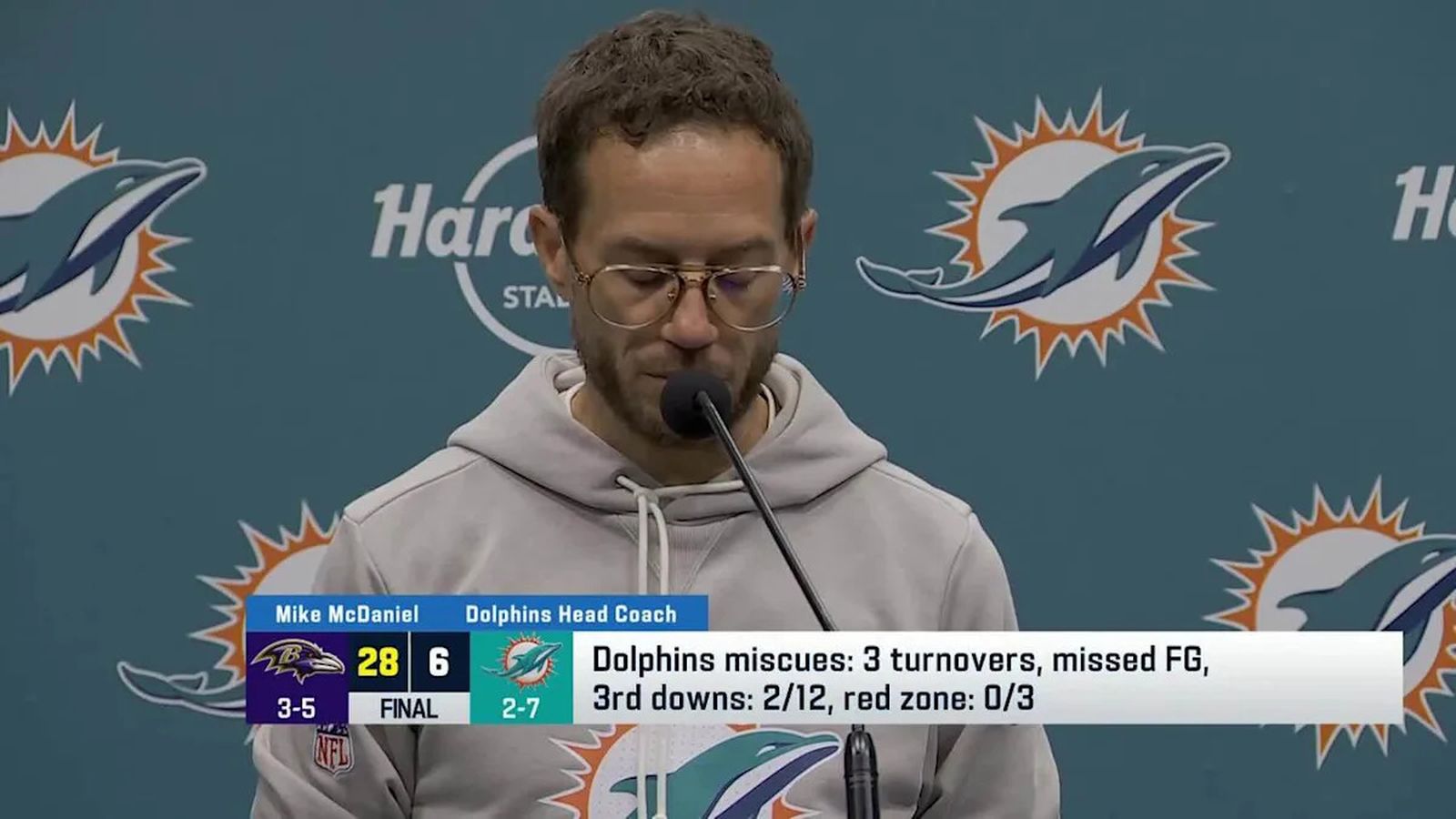
As the clock ran down on Thursday night, the Miami Dolphins trudged off the field at Hard Rock Stadium, battered by a decisive 28-6 loss to the Baltimore Ravens. For head coach Mike McDaniel, the defeat was more than just another mark in the loss column; it was a loud alarm echoing through the halls of Miami’s storied franchise. The Dolphins now sit at 2-7, their playoff hopes fading and their locker room unity tested.
McDaniel took to the podium, his tone a mix of candor and weariness. He spoke about missed opportunities, mental errors, and a team struggling to find its rhythm. “It’s about putting one foot in front of the other,” he insisted, trying to rally a roster that increasingly appears adrift (Yahoo Sports).
Locker Room Tension and Waning Faith
It wasn’t just the numbers on the scoreboard that told the story. The atmosphere inside the Dolphins’ camp feels heavy, with frustration bubbling over. Former Miami offensive lineman Richie Incognito didn’t mince words after the game, declaring on social media, “This team’s quit on Mike McDaniel. Time for Mr. Ross to clean house and reset the culture.” His blunt assessment echoed the sentiments of many fans and analysts who watched the Dolphins stumble through another lifeless performance (OutKick).
Even among the players, there’s a sense of exasperation. Linebacker Jordyn Brooks, reflecting on the defensive effort, admitted, “I felt like we played well defensively… turnovers, that kills you. Not capitalizing, not scoring when we could, giving them the ball back.” Brooks’ words highlight the painful reality: defensive grit alone isn’t enough when offensive execution keeps falling short.
On-Field Struggles: Offense Out of Sync
The Dolphins’ offense, once known for its creative spark under McDaniel, now sputters at key moments. Quarterback Tua Tagovailoa finished with 261 passing yards, completing 25 of 40 attempts but was plagued by an interception and an inability to convert on third downs—just 2-of-12 for the night. The running game barely made a dent against a Ravens defense that, by all accounts, was vulnerable.
Fans in the stands grew restless early, with Miami trailing 14-6 at halftime. The usual roar was replaced by boos and, more tellingly, paper bags worn over heads—a symbol of embarrassment and disappointment that’s hard to ignore. By the fourth quarter, the stadium’s seats were emptying, the faithful having seen enough.
The McDaniel Era: From Promise to Peril
When McDaniel arrived in Miami, he was hailed as an innovator, a coach who would finally steer the franchise toward sustained success. Early flashes of offensive brilliance raised hopes, but inconsistency has become the norm. Analysts like Mike Florio and Chris Simms have speculated that McDaniel’s tenure may be nearing its end, especially after the blowout loss to Cleveland in Week 7 and now the Ravens debacle (Yahoo Sports).
Ownership’s patience is wearing thin. Speculation swirls around whether major changes—trades, coaching shifts, or even a complete rebuild—are imminent. Joe Schad, another prominent voice, has called the Dolphins an “undisciplined mess,” suggesting this stretch could be the final dagger for McDaniel’s run.
Fan Frustration and Franchise Identity
Beyond the locker room, fan sentiment is reaching a boiling point. Social media buzzes with calls for change, and the visible distress in the stadium underscores a deeper crisis: the identity of the Miami Dolphins is at stake. Longtime supporters remember eras of resilience and pride, but those qualities feel distant in the current climate.
Some, like Joe Schad, still try to find glimmers of hope—pointing out “moral victories” even in defeat. But optimism is running short as the losses pile up and the team’s strategic direction remains murky.
What Comes Next?
The Dolphins face a daunting schedule, with the Buffalo Bills up next. The pressure to “clean up the mess,” as Dan Patrick puts it, is immense. Miami’s front office must decide whether to pursue incremental fixes or opt for a sweeping overhaul. The possibility of trading key players for draft capital remains, but so far, the team has hesitated.
As for McDaniel, he remains focused on his message: process, effort, and incremental progress. But in the NFL, results speak loudest. The sense of urgency is palpable, and the next few games may determine not only McDaniel’s future but the trajectory of the franchise itself.
The Dolphins’ story this season is not just about wins and losses—it’s about a team searching for its soul, a coach fighting to keep belief alive, and a fan base hungry for answers. For now, the clock keeps ticking, and all eyes turn to what comes next.
Assessment: The unfolding saga in Miami highlights how quickly fortunes can change in professional sports. While McDaniel’s vision once sparked hope, the current crisis exposes the fragility of leadership when results falter. Without a clear turnaround, the Dolphins may soon face sweeping changes—reinforcing that in the NFL, patience is a luxury few can afford.