
Quick Read
- Demartravion Reed, a 21-year-old Black student, was found hanging on Delta State University’s campus.
- Cory Zukatis, a Brandon resident, was found hanging in a wooded area in Vicksburg hours later.
- Authorities say there is no evidence of foul play in either case, but investigations are ongoing.
- Delta State University suspended classes and centennial events to support grieving students.
- Both incidents have sparked conversations about mental health and community support.
Shock and Grief Ripple Across Mississippi After Two Men Found Hanging
Mississippi woke up to a wave of sorrow and uncertainty this week as two men were discovered hanging within just 24 hours, in separate cities miles apart. The somber news has left both local communities and the broader state grappling with difficult questions—and searching for ways to process the collective grief.
Delta State University Mourns the Loss of Demartravion “Trey” Reed
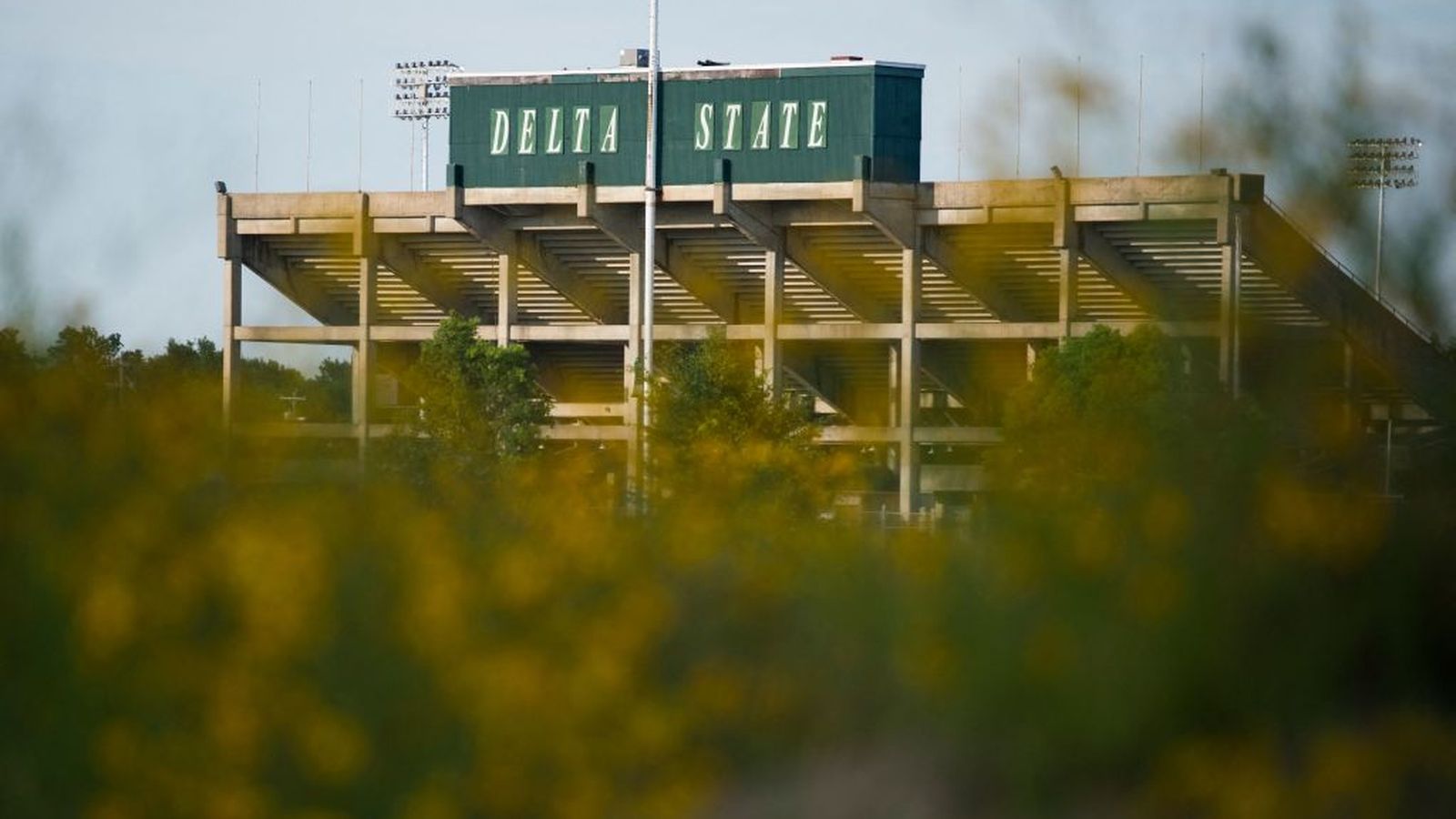
The first tragedy unfolded early Monday morning in Cleveland, Mississippi, at Delta State University—a campus usually buzzing with the anticipation of its centennial celebrations. Instead, students and faculty found themselves in stunned silence when the body of Demartravion “Trey” Reed, a 21-year-old Black student, was found hanging from a tree near the pickleball courts. It was just after 7 a.m.
University Police Chief Michael L. Peeler addressed the campus in a press conference, confirming the heartbreaking discovery. Reed’s body was retrieved by the Bolivar County Coroner’s office, and Peeler made clear that, at present, there was “no evidence of foul play.” The Mississippi Bureau of Investigation, Bolivar County Sheriff’s office, and Cleveland Police Department were called in to support the ongoing inquiry.
Although the coroner has not publicly confirmed the cause of death, authorities are treating the incident as a suicide. University President Dan Ennis assured the campus that there was no immediate threat and, as a result, no lockdown would be implemented. “There is no evidence the campus is unsafe at this point,” Ennis said, seeking to reassure a shaken community.
All centennial ceremonies—including the opening and unveiling of a time capsule—were abruptly canceled. Classes were suspended as the university urged students and staff to seek counseling and mental health resources. In a somber statement, Delta State extended “heartfelt condolences to the family and friends impacted,” and said that leaders would meet to decide if classes and events would resume later in the week.
Second Hanging Discovered in Vicksburg, Heightening Alarm
Just hours after Reed’s death, another chilling report emerged from Vicksburg, a city about 130 miles southwest. Around 1:30 p.m. on Monday, police responded to a wooded area off the 4100 block of Washington Street, near the Ameristar Casino. There, the body of Cory Zukatis—a Brandon, Mississippi resident—was found hanging.
As of press time, Vicksburg Police have not released additional details about Zukatis’s death. However, early statements have indicated that, like Reed’s case, no foul play is suspected. Zukatis was reportedly unhoused, and social media confusion briefly complicated the narrative, with some posts misidentifying him as another young man, Galvin Fortenberry, who was killed in August.
Both incidents remain under investigation, and authorities have been careful to emphasize that, while the timing is unsettling, there is no immediate evidence of a connection or broader threat. For many, though, the proximity of these tragedies has reignited painful memories and heightened anxieties about safety, mental health, and the role of institutions in supporting those at risk.
Communities Seek Answers and Support Amid Uncertainty
The deaths of Reed and Zukatis have prompted urgent calls for transparency from officials and compassion within communities. For students at Delta State, the loss of a peer during what should have been a time of celebration has cast a long shadow. University leaders, faculty, and counselors have stepped up efforts to provide support, but the emotional toll remains heavy.
For the city of Vicksburg, the discovery of Zukatis’s body in a wooded area near a popular casino has rattled residents and brought renewed attention to the struggles faced by the unhoused. Local organizations have responded by highlighting the need for mental health services and outreach programs—reminding everyone that, behind the headlines, real lives and families are forever changed.
These twin tragedies have also stirred broader conversations about the history of racial violence in Mississippi. While authorities have stated that there is no evidence of foul play or hate crimes in either case, the context cannot be ignored. Black communities in the South carry deep scars from decades of lynching and racial terror, and any report of a hanging is met with heightened scrutiny and profound anxiety. As NewsOne noted, bomb threats to historically Black colleges in the wake of controversial events have only added to the sense of vulnerability.
Calls for Transparency, Mental Health Advocacy, and Community Healing
In the aftermath, there is a clear demand for open communication and rigorous investigation. Families, friends, and entire communities want to understand not just what happened, but why—and what can be done to prevent further tragedy. Mental health advocates have underscored the importance of accessible counseling and crisis intervention services, especially for young people and the unhoused.
At Delta State, the university’s decision to pause normal operations was intended to give everyone space to grieve and seek support. “Our community is deeply saddened by their loss,” the administration wrote, urging students to use campus resources and lean on one another.
In Vicksburg, local leaders have echoed those sentiments, emphasizing that the investigation is ongoing and that all possible avenues are being explored. Community organizations have responded by renewing outreach to vulnerable populations and encouraging residents to check in on loved ones.
For many, the events of this week have been a stark reminder of the fragility of life—and the urgent need for compassion, vigilance, and collective care. As the investigations continue, both cities will be watching closely, hoping for answers and healing.
When tragedy strikes in rapid succession, it forces a community to confront uncomfortable truths—about mental health, historical trauma, and the quiet suffering that too often goes unnoticed. The twin losses in Cleveland and Vicksburg are a solemn call to action: for transparency, for compassion, and for a renewed commitment to supporting those most at risk. Only through honest dialogue and collective care can these communities begin to heal.