
Quick Read
- PAS party won more than 50% of votes in Moldova’s parliamentary election.
- Pro-Russian opposition leader Dodon called for protests, alleging vote fraud.
- Turnout reached 52%, with over 276,000 Moldovans voting abroad.
- EU leaders pledged strong support for Moldova’s European path.
- Russian interference and disinformation marked the tense campaign.
Moldova’s Pro-EU Party Triumphs in High-Stakes Election
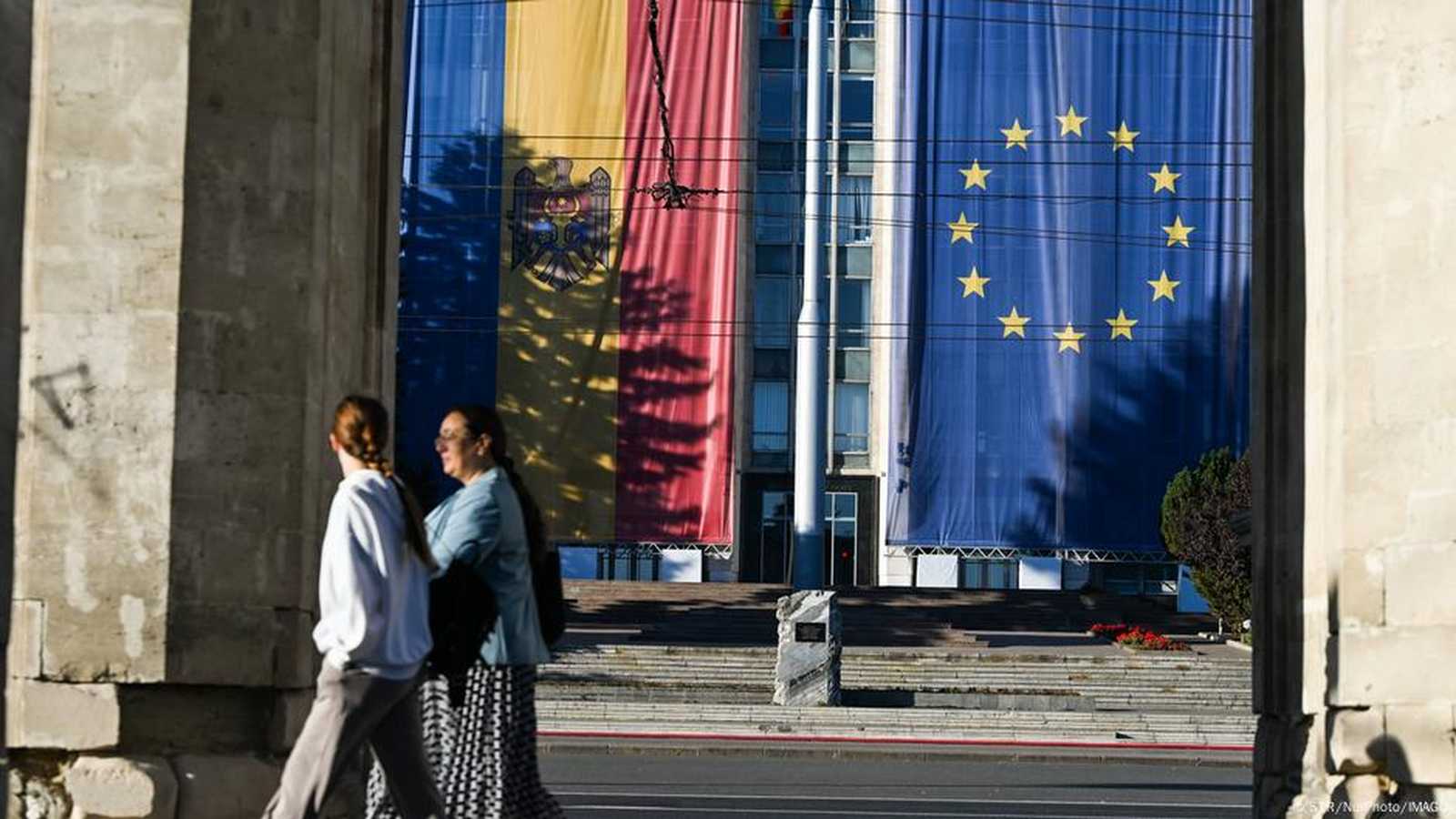
In a decisive turn for Moldova’s future, the pro-European Party of Action and Solidarity (PAS), led by President Maia Sandu, emerged victorious in Sunday’s parliamentary elections, securing just over 50% of the vote according to official figures. This result not only reaffirms the country’s pro-EU trajectory but also highlights the deep political divide between pro-Western and pro-Russian forces vying for Moldova’s path forward.
The election was closely watched across Europe and in Moscow, with Moldova’s strategic position—sandwiched between Ukraine and EU member Romania—underscoring the stakes. Since Russia’s full-scale invasion of Ukraine in 2022, Moldova has found itself on the geopolitical fault line, its future increasingly tied to questions of democracy, sovereignty, and European integration.
Russian Interference Allegations and Opposition Response
The run-up to the vote and its aftermath were marked by fierce accusations of foreign meddling. President Sandu warned of “massive Russian interference,” claiming that Moscow spent hundreds of millions of euros to sway voters, finance parties, and orchestrate destabilizing activities. Security services reported bomb threats at polling stations in Moldova and across the diaspora in Italy, Romania, Spain, and the US—incidents the government linked to criminal groups allegedly backed by Russia.
Despite these concerns, the PAS party maintained a steady lead throughout the night, with preliminary counts showing a clear margin over the pro-Russian Patriotic Bloc. The bloc, headed by $1 Igor Dodon, took less than 25% of the vote, well behind PAS. Dodon, undeterred by the outcome, called for mass protests and accused the government of stealing the vote. “If during the night there are falsifications, tomorrow we won’t recognize the result and will ask for elections to be repeated,” Dodon declared outside the electoral commission, as reported by DW and BBC.
The tension reached the streets, with a heavy police presence in Chisinau and several arrests over suspected plans to stir unrest. Election monitors, meanwhile, kept a close watch, recording every ballot box for possible violations.
Voter Turnout, Diaspora, and Regional Dynamics
Turnout in Sunday’s election reached 52%, higher than in recent years, with more than 1.59 million Moldovans casting ballots. The diaspora played a significant role, as over 276,000 citizens voted abroad. In the breakaway region of Transnistria—a Russian-backed enclave along Ukraine’s border—over 12,000 residents crossed into Moldova proper to vote. Many faced lengthy journeys and document checks, reflecting both their commitment and the persistent tensions at the country’s frontiers.
Transnistria remains a focal point for Russian influence, with troops stationed and local authorities maintaining Soviet-style control over the region. Residents hold Moldovan passports but are deeply divided in their allegiances. Some voters expressed a desire to be closer to Russia, while others voiced uncertainty about Moldova’s future direction. The atmosphere at polling stations near Transnistria was described as relatively calm, yet the low turnout compared to previous years hinted at broader challenges and disillusionment.
In Gagauzia, another autonomous region with strong Russian cultural ties, sentiments were similarly split. While many consumed Russian-language media and voiced skepticism toward the government in Chisinau, the broader national mood appeared to favor continued European integration.
International Reaction: EU Support and Regional Implications
The response from European leaders was swift and supportive. Ursula von der Leyen, President of the European Commission, praised Moldova’s choice, declaring, “Our door is open. And we will stand with you every step of the way. The future is yours.” Roberta Metsola, President of the European Parliament, echoed the sentiment: “The future of Moldova is in Europe!” French President Emmanuel Macron joined in, pledging support for Moldova’s EU aspirations and sovereignty.
Moldova has been an EU candidate country since 2022, and the PAS victory strengthens its case for membership. The ruling party’s renewed mandate means it will not need coalition partners, giving it a freer hand to pursue reforms required for accession. Yet, as PAS lawmaker Radu Marian cautioned, the path ahead remains fraught: “There should be relief in all Europe because peace, progress, democracy is won. We did a great job in fighting the mighty Russian dictatorship.”
For many ordinary Moldovans, the vote was about more than geopolitics. Economic hardship, corruption, and emigration have shaped daily life, leaving voters like Vitaly, a beet farmer in the south, feeling ambivalent. “Politics feels far away here,” he told DW. Others, like Dan Spatar in Chisinau, cast their ballots for a European future, citing the war in Ukraine as a cautionary tale. “We voted for this four years ago and deserve to continue with it,” he said.
Disinformation, Security, and Democratic Challenges
Throughout the campaign, Moldova faced a barrage of disinformation and propaganda. Social media was flooded with fake news and twisted anti-EU narratives, testing the resilience of the country’s young democracy. A BBC investigation uncovered networks offering payments for pro-Russian propaganda posts, while Moldovan police reported arrests linked to alleged efforts to incite unrest.
Two pro-Russian parties were barred from participating in the election due to accusations of illegal financing and foreign influence—a move condemned by opposition leaders but defended by the authorities as necessary to protect the integrity of the vote.
As ballots were counted, many Moldovans reflected on the broader implications. “Don’t play with your vote or you’ll lose everything!” President Sandu warned, urging citizens to safeguard the fragile gains of recent years. Her promise to “continue fighting for democracy” even in the face of adversity resonated across a country at a crossroads.
A Nation at the Crossroads: Europe or Russia?
Moldova’s election underscored the enduring question: Europe or Russia? The PAS victory signals a clear preference for continued European integration, but the strength of pro-Russian opposition and persistent regional divisions mean the journey ahead will not be easy.
With a renewed mandate, President Sandu and her party must navigate economic challenges, root out corruption, and build bridges across Moldova’s divided society. The world will be watching as Moldova seeks to solidify its place in the European family while weathering the pressures of external influence.
Assessment: Moldova’s election result is more than a simple victory for the pro-EU camp—it’s a pivotal assertion of democratic will in a region where choices are rarely straightforward. With Russian interference and internal divisions still looming, PAS’s clear mandate offers hope, but real stability and reform will depend on whether this momentum can be sustained and translated into tangible progress for all Moldovans.