
Quick Read
- Netflix’s The Beast in Me uses its central mystery to comment on public judgment and media narratives.
- Showrunner Howard Gordon cites Monica Lewinsky as an example of how society rushes to conclusions.
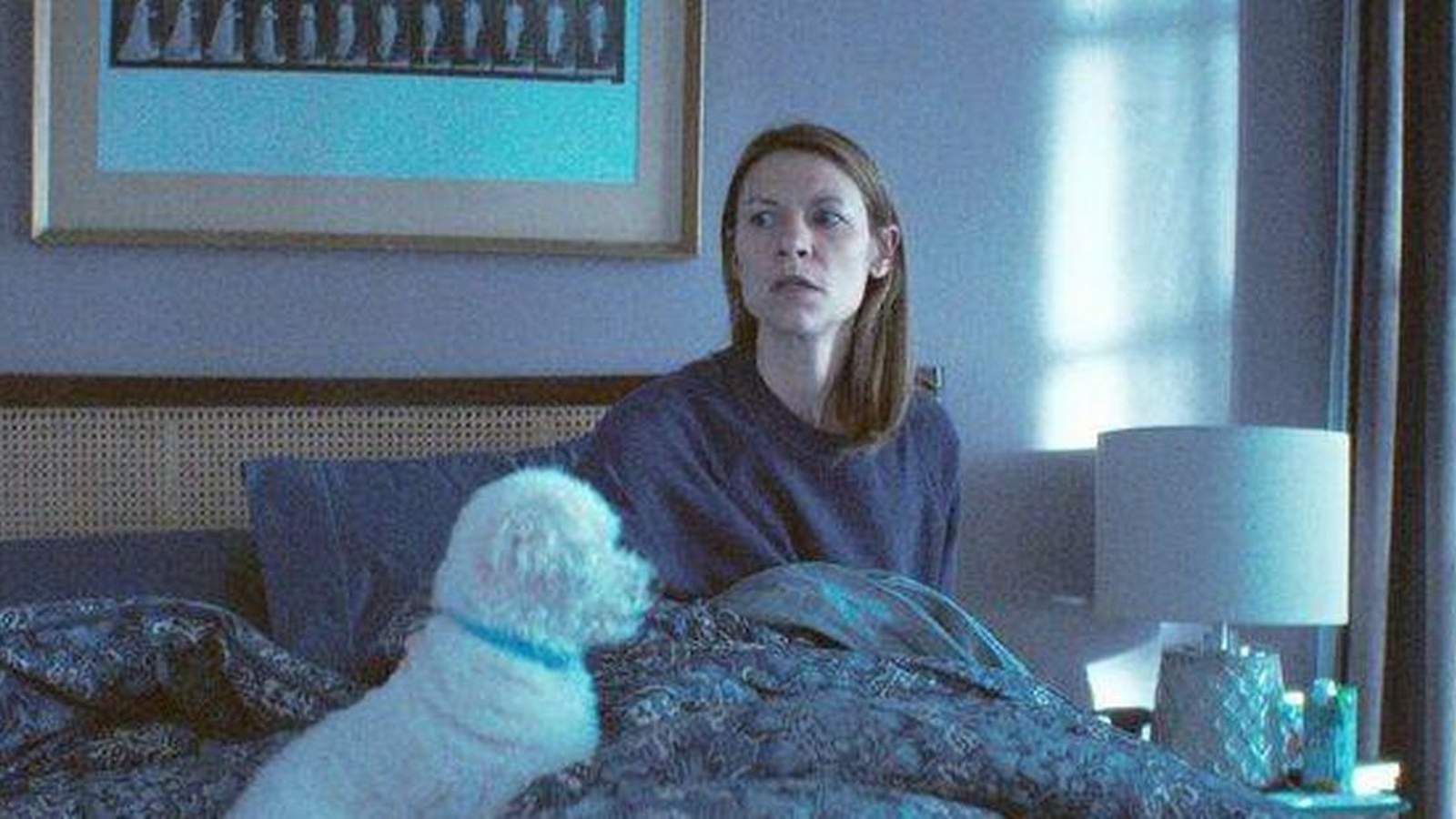
- Aggie’s dog Steve, a fan favorite, survives the entire series, symbolizing resilience and hope.
- The show asks viewers to reconsider their assumptions and the stories they believe about others.
Netflix’s The Beast in Me: More Than a Thriller, It’s a Mirror on Modern Judgment
If you’ve watched Netflix’s latest psychological thriller The Beast in Me, you probably walked away with your heart pounding—and your mind racing. The eight-episode series, starring Claire Danes as the haunted author Aggie Wings and Matthew Rhys as the enigmatic Nile Jarvis, draws viewers in with its intricate plot and emotional undercurrents. But beneath the surface-level suspense, the show asks something deeper: Why are we so quick to believe the worst about someone, and what does it take to reconsider our assumptions?
The Plot: Danger, Doubt, and the Dog That Survives
Set against a backdrop of lush, atmospheric locations, The Beast in Me follows Aggie, a Pulitzer Prize-winning memoirist paralyzed by tragedy and writer’s block. Her life takes a sharp turn when Nile Jarvis moves in next door—a man infamous in the local rumor mill as the main suspect in his wife’s murder. Though Nile escaped conviction, the cloud of suspicion never lifted. As Aggie edges closer to the truth, she finds herself crafting a new narrative about Nile, all while grappling with her own grief and the haunting presence of her late son.
Amid all this tension, one character became a surprising fan favorite: Steve, Aggie’s loyal dog. Early on, Steve’s fate is a source of genuine anxiety for viewers. In a world where even the smallest comfort can be snatched away, it’s perhaps no wonder that people fixate on the question: does the dog die? The answer, much to the relief of animal lovers, is no—Steve makes it to the series finale. This emotional detail is more than a plot device. Steve, named by Aggie’s late son, becomes a symbol of resilience and memory, quietly tethering Aggie to her past and to hope.
Nile, too, keeps dogs—guardians of his heavily secured home, at times sedated and mistreated, but ultimately surviving the ordeal alongside their owner. The survival of the dogs is a rare note of mercy in a story defined by suspicion and loss.
Assumptions, Smear Campaigns, and the Real World Parallels
The show’s creator, Howard Gordon, is no stranger to stories that probe the darker corners of human psychology—he previously worked with Claire Danes on Homeland. But what drew him to The Beast in Me wasn’t just the potential for suspense. In an interview with Tudum, Gordon reflected on the world we live in: “We’re living in a time with texts and threads and smearing people and jumping to conclusions, but it’s always been this way.”
Gordon explicitly draws a parallel between the show’s central mystery and the real-life stories of Monica Lewinsky and Amanda Knox—both women who became the subjects of relentless public scrutiny and media narratives that often ignored the complexities of their situations. He asks, “Whether it’s Monica Lewinsky or Amanda Knox or Nile Jarvis, sometimes we are quick to make assumptions, and to believe what we’re reading, and to be led to believe what we want to believe for whatever set of reasons. But when we are forced to look at it from another angle, do we have the humility and the compassion to listen, and to revise the narrative?” (Express)
The Monica Lewinsky Effect: When the Story Isn’t Yours
Monica Lewinsky’s name is more than a cultural reference—it’s shorthand for how a person can be defined, sometimes forever, by a single narrative imposed by others. In the late 1990s, Lewinsky’s life was upended by her involvement in the Clinton scandal. What followed was a tidal wave of tabloid headlines, late-night jokes, and harsh public judgments. It wasn’t until years later that Lewinsky was able to reclaim her own story, speaking out about cyberbullying, media exploitation, and the need for compassion in how we treat others caught in the glare of public attention.
The parallels with Nile Jarvis in The Beast in Me are deliberate. Like Lewinsky, Nile is seen not as a person but as a symbol—a suspect, a headline, a target for whispers and suspicion. The show challenges viewers to ask themselves: How often do we let a single story shape our entire perception of someone? When does curiosity turn into condemnation?
Why The Beast in Me Resonates in 2025
The world of 2025 is even more connected—and more divided—than ever. A rumor can spread with a single tweet, an accusation can become a trending topic before facts are known. In this climate, Gordon’s choice to invoke Monica Lewinsky’s name is more than just a nod to history; it’s a warning. If we’re not careful, we can become complicit in the very cycles of judgment and misrepresentation that the show dramatizes.
That’s why The Beast in Me feels so timely. It’s not just a tale of murder and suspense. It’s a story about the narratives we inherit and the ones we invent, about the limits of empathy and the dangers of certainty. At its core, the series invites us to pause before passing judgment—to recognize that every headline has a human story behind it, and every accusation leaves a mark that may never fully fade.
The Beast in Me uses the language of thrillers to pose a disarmingly simple question: can we let go of easy answers long enough to really see each other? The show’s resonance with Monica Lewinsky’s experience isn’t just a thematic flourish—it’s a call to humility and a reminder that, in the rush to assign blame, we risk losing our most essential humanity.