
Quick Read
- Joao Fonseca became the youngest player to reach the Monte-Carlo quarter-finals since 2005 after defeating Matteo Berrettini.
- Alexander Zverev advanced to the final eight but noted he is still refining his game as he adjusts to the clay surface.
- The tournament is experiencing significant volatility, with underdogs and emerging talent challenging the established top seeds for critical ranking points.
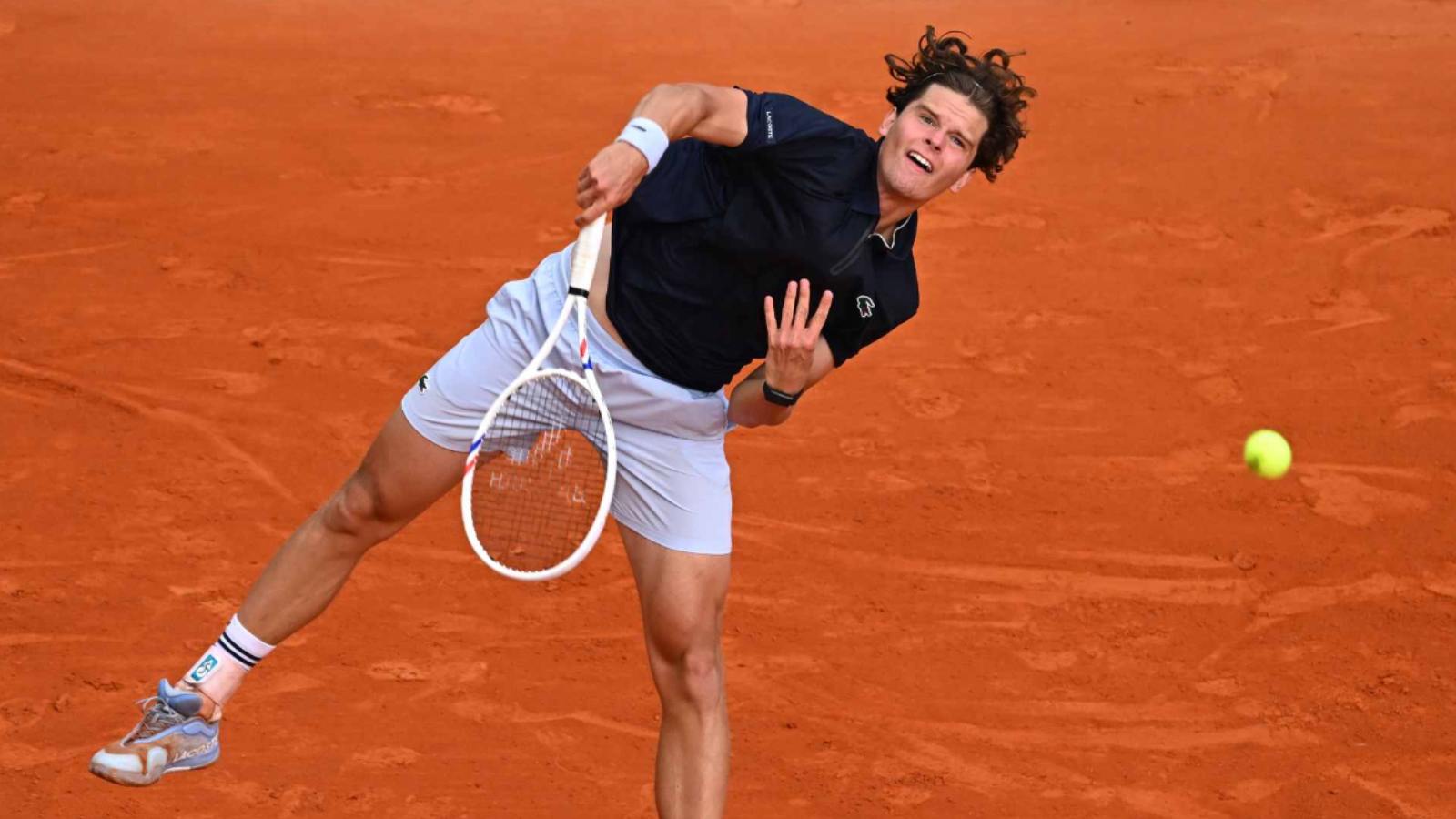
MONTE-CARLO (Azat TV) – The Rolex Monte-Carlo Masters has entered a critical phase as a wave of young talent disrupts the traditional hierarchy of the ATP Tour. Following a series of high-stakes matches on Day 5, 19-year-old Brazilian Joao Fonseca has surged into the quarter-finals, signaling a significant shift in momentum for the clay-court season.
The Rise of Joao Fonseca in the Principality
Fonseca secured his place in the final eight after a commanding 6-3, 6-2 victory over Matteo Berrettini. The win marks a milestone for the young Brazilian, who becomes the youngest player to reach the quarter-finals in Monte-Carlo since 2005. His performance was characterized by tactical aggression and high-percentage serving, as he successfully neutralized the power-hitting that had previously carried Berrettini through a dominant second-round display.
The victory provides Fonseca with a pivotal opportunity to test his skills against established elite players, as he is set to face third-seeded Alexander Zverev in the next round. Zverev, who overcame Zizou Bergs in a straight-sets win, remains focused on securing his eighth Masters 1000 title, though he acknowledged that his current form is still evolving as he adjusts to the clay surface.
Top Seed Volatility and Rankings Stakes
The tournament landscape remains highly volatile as the competition for ranking points intensifies. While defending champion Carlos Alcaraz continues his campaign as the favorite for the title, the early exits and struggles of other prominent players have left the draw wide open. The pressure on the top three seeds to maintain psychological dominance is mounting, particularly as emerging talents like Fonseca and Alexander Blockx demonstrate the capacity to challenge the sport’s established order.
For players like Hubert Hurkacz and Alex de Minaur, the tournament represents a critical juncture for regaining match rhythm. Analysts note that the unique conditions of the Monte-Carlo clay are rewarding those with high adaptability, a factor that has recently pushed underdogs like Valentin Vacherot into the spotlight after his impressive victory over a top-five opponent.
The Technical Evolution of Clay Court Play
As the tournament progresses, the technical requirement for success on clay continues to evolve. Players who can marry defensive patience with aggressive, high-margin shot-making are finding the most success. With the quarter-final bracket now taking shape, the focus shifts to whether the top seeds can assert their technical dominance or if the current momentum of the younger generation will force a permanent shift in the tournament’s trajectory.
The emergence of young players like Fonseca and Blockx, coupled with the inconsistent form of several top-10 seeds, suggests that the 2026 clay-court season will be defined by parity rather than the traditional dominance of the tour’s top three, placing immense pressure on the remaining favorites to stabilize their performance before the upcoming major events.