
Quick Read
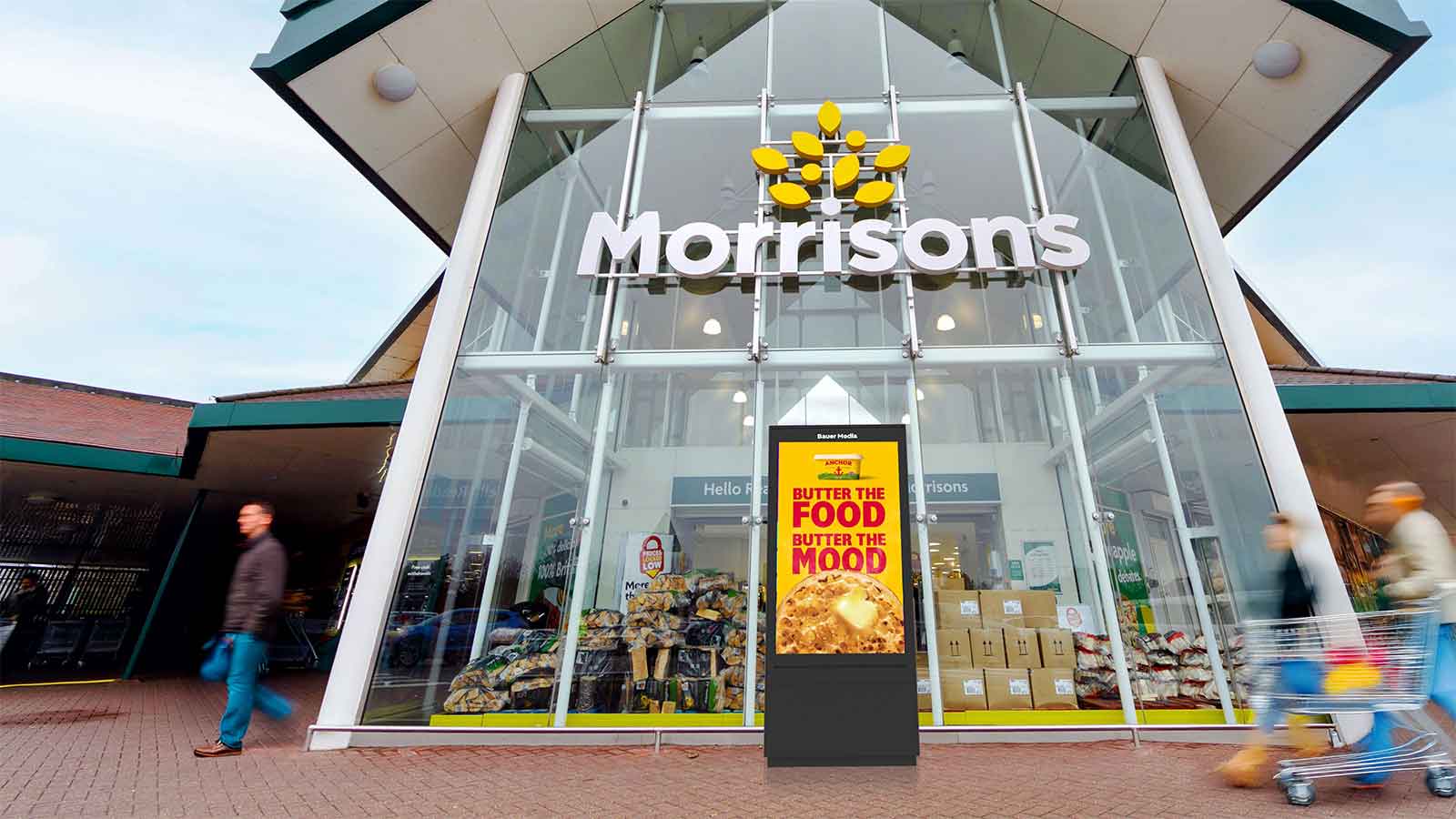
- Morrisons will install digital advertising screens in 300 UK stores from early 2026.
- Screens positioned at store entrances will deliver dynamic, targeted ads to millions of shoppers.
- The project is a seven-year partnership with Bauer Media Outdoor, focusing on retail media innovation.
- Industry experts see this as a major opportunity for brands, but some shoppers are concerned about increased commercial presence.
- The initiative aims to balance revenue growth with maintaining a positive customer experience.
Morrisons’ Bold Entry into Digital Retail Media
In a move that is poised to redefine the boundaries between shopping and advertising, Morrisons has announced the nationwide installation of digital advertising screens across 300 of its UK stores. The initiative, set to begin in early 2026, marks the supermarket’s first large-scale leap into digital retail media, transforming the very entrances of its supermarkets into high-impact advertising hubs.
This strategy is not just about placing screens—it’s about fundamentally reimagining the supermarket as a media platform. In partnership with Bauer Media Outdoor, Morrisons will embark on a seven-year collaboration to manage and sell advertising across these screens, leveraging advanced display technology designed specifically for retail environments. The entrance, once simply a passage into the world of groceries, will become a carefully curated gateway where millions of weekly shoppers first encounter dynamic, targeted brand messaging.
How Digital Screens Are Shaping the In-Store Experience
The positioning of these screens is no accident. Research shows that shoppers are most receptive to promotional messaging right as they enter a store—at that psychological crossroads where browsing gives way to buying. By capturing shopper attention at this critical moment, Morrisons hopes to influence purchasing decisions before baskets are even filled.
The screens, known as Waferlite displays, will be able to update content in real time—cycling through seasonal offers, promotions on essentials, or new product launches. This means that brands can adapt their messaging to time of day, local events, or even weather, making the advertising as relevant and timely as possible.
For shoppers, this could translate to a more informed and potentially convenient experience. Prominent, dynamic offers may help customers spot deals faster or discover new ranges they might otherwise have missed. Yet, as industry analysts point out, the balance between helpfulness and intrusiveness will be key. Some shoppers may welcome the added visibility, while others may feel overwhelmed by the increased commercial presence at what was once a simple entrance.
Retail Media: Opportunity, Challenge, and Revenue Streams
Morrisons’ move is emblematic of a broader trend sweeping UK supermarkets: the rise of retail media as a core business pillar. Where once supermarket margins relied solely on the sale of goods, today’s grocery giants are turning their physical footfall into a commodity—monetising shopper attention as a new revenue stream, independent of the products on their shelves.
For brands, this presents a unique opportunity. Instead of relying exclusively on digital channels like social media or search engines, advertisers can now reach a massive, captive audience in a trusted real-world setting. In-store screens offer measurable visibility, with content tailored to demographics and footfall patterns, all while adhering to strict data-protection standards. The potential for real-time engagement and sales uplift is significant, especially as more advertising budgets shift towards data-driven, omnichannel strategies.
However, these advantages come with challenges. Consumer advocates have raised concerns about the risk of impulse buying driven by high-frequency advertising, particularly during peak hours. Privacy groups question how campaign scheduling and demographic targeting will be managed, even as Morrisons and Bauer Media Outdoor promise compliance with all relevant regulations.
From a commercial standpoint, the digital screens enable Morrisons to diversify its income at a time when traditional grocery margins are under pressure. The joint venture with Bauer Media Outdoor will see both parties share revenue from brand partnerships and programmatic advertising campaigns, positioning Morrisons at the forefront of a retail-media revolution already underway among its competitors.
Industry Reaction and the Road Ahead
Initial responses from industry experts and analysts have been broadly positive. The partnership is seen as a smart move, bringing specialist expertise to a complex installation and ensuring that the network’s technical and operational standards meet the demands of large-scale digital advertising. The phased deployment will allow Morrisons to gather key insights on shopper engagement and campaign performance, potentially prompting further investment in retail media infrastructure.
The screens are not intended to replace existing in-store communication tools, but to complement them—creating a more integrated messaging environment. Executives at Morrisons have emphasised that the technology has been carefully planned with customer flow and convenience in mind, aiming to enhance rather than disrupt the shopping experience.
Yet, the true measure of success will be seen in how UK shoppers respond. Will the screens make weekly grocery trips more efficient, or will they add to the sensory overload of the modern retail environment? The coming year will reveal whether digital out-of-home (DOOH) advertising genuinely enhances value for both consumers and brands, or if it risks alienating shoppers who prefer a quieter, more traditional store experience.
Beyond the immediate rollout, Morrisons’ strategy signals a deeper shift in retail purpose. As supermarkets become hybrid retail-media companies, the very architecture of the shopping journey is being rewritten. Store entrances—once just the start of a grocery trip—are now the first touchpoint in a curated media experience, capable of influencing everything from dinner choices to long-term brand loyalty.
This evolution mirrors changes seen in online retail, where platforms like Amazon have built vast advertising empires atop their core business. For Morrisons and its peers, the challenge and opportunity lie in translating the power of digital engagement into the physical world, without sacrificing the trust and convenience that shoppers expect.
As Morrisons rolls out its digital retail media network, it steps boldly into a future where supermarkets serve as both grocers and media hubs. The success of this initiative will depend on maintaining a delicate balance: delivering relevant, timely information that adds genuine value, while safeguarding the integrity of the shopping experience for millions of UK families. In 2025, the supermarket entrance is no longer just a door—it’s a digital stage, and Morrisons is determined to be center spotlight.