
Quick Read
- Morrisons is closing 145 UK stores in 2025, including Daily Stores, cafés, Market Kitchens, pharmacies, and florists.
- Closures have already begun, with locations in Norfolk, Essex, Dorset, and more affected since April.
- Chief Executive cites local challenges and economic pressures as reasons for the shutdowns.
- Some closed spaces may be reallocated to third-party specialist providers.
- Staff and local communities face uncertainty and adjustment as closures progress.
Morrisons Store Closures Sweep Across the UK in 2025
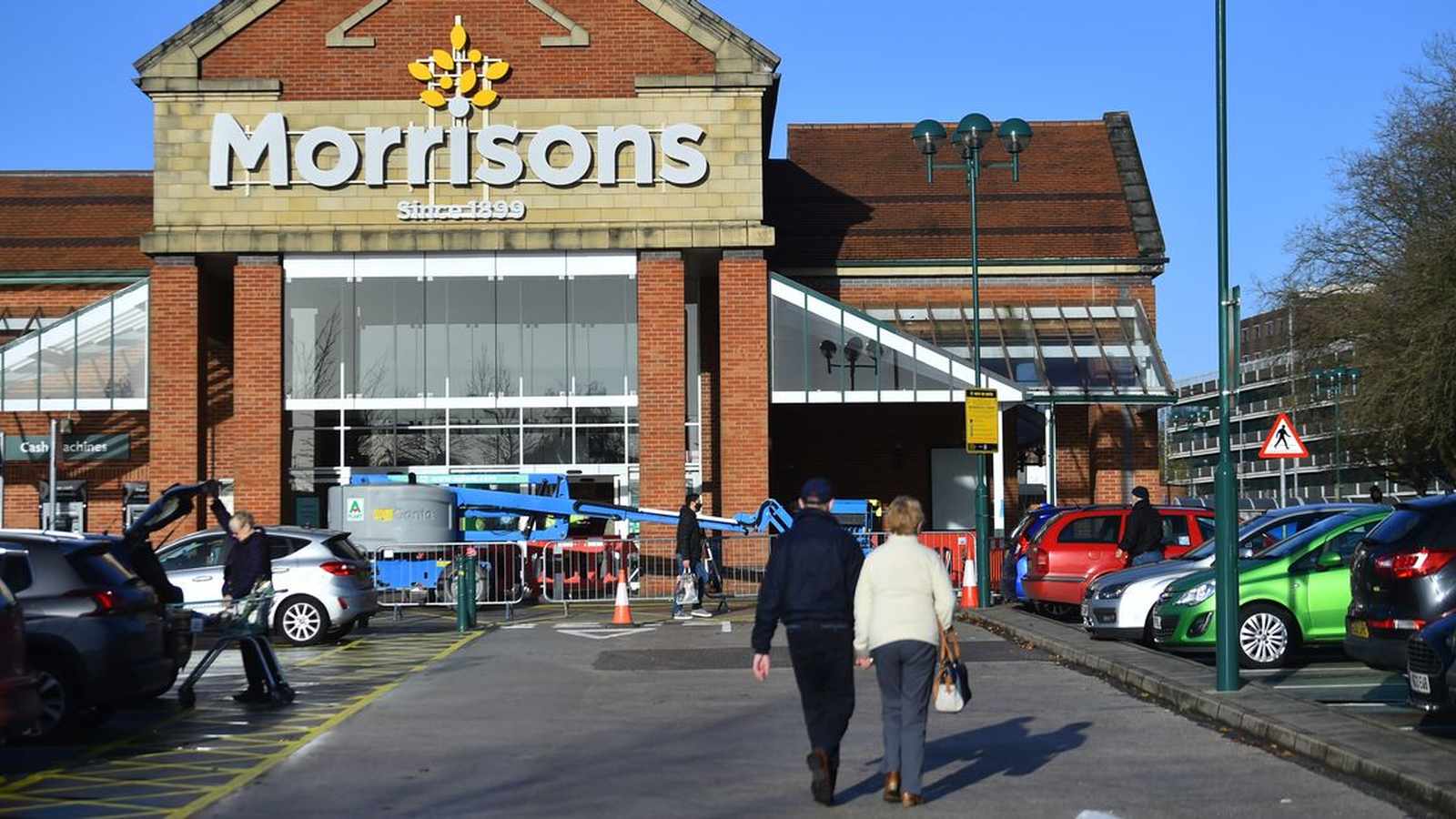
It’s not every year that one of Britain’s largest supermarket chains redraws its entire map. But in 2025, Morrisons has confirmed a sweeping round of store closures across the UK, affecting the daily rhythms of shoppers from Norfolk to North Yorkshire. The decision, announced by Chief Executive Rami Baitieh, includes the shuttering of 145 locations—among them Daily Stores, cafes, Market Kitchens, pharmacies, and florists. The full impact is only just beginning to be felt in communities where these stores have long been a fixture.
Which Morrisons Stores Are Closing? The Full List and Key Locations
For many, the news broke with a familiar pang: a favourite corner shop or local café won’t be there tomorrow. The closures started rolling out in April, with 16 Morrisons Daily Stores closing on April 16, from Gorleston in Norfolk to Bath in Somerset. By May, places like Haxby, North Yorkshire joined the list. The shutdowns are not limited to convenience stores—cafés, Market Kitchens, pharmacies, and florists are all facing closures, some with dates still to be confirmed.
- Morrisons Daily Stores: These smaller convenience shops have been among the first to go. Locations like Peebles in the Scottish Borders, Poole in Dorset, and Shenfield in Essex have already closed their doors.
- Cafés: The heart of many Morrisons supermarkets, these spaces are more than just places to grab a coffee. Branches from Banchory in Aberdeenshire to Watford in Hertfordshire are slated for closure.
- Market Kitchens: Offering freshly prepared meals, Market Kitchens in Aberdeen, Camden Town, Leeds, and Stoke are on the list.
- Pharmacies and Florists: From Birmingham to Bradford and Newcastle Under Lyme, these specialized counters are also being phased out.
In North Staffordshire, for example, the Market Kitchen at Festival Park and the florist at Newcastle-under-Lyme are among the affected. The closures are geographically broad, touching every corner of the UK, and the full lists are published in local news outlets such as Stoke Sentinel.
Why Is Morrisons Closing Stores? Economic Pressures and Strategic Shifts
Morrisons’ leadership has been candid about the reasons for these changes. According to Rami Baitieh, some locations face «specific local challenges»—issues ranging from declining footfall to shifts in consumer habits. For the supermarket, the decision isn’t taken lightly. «Market Street is a beacon of differentiation for Morrisons and we remain committed to it,» Baitieh said, emphasizing that while modernization is necessary, not every part of the traditional model remains viable.
It’s a story familiar to many British retailers: the struggle to balance local needs with economic realities. Morrisons is looking to «re-allocate space» in some stores, and in certain cases, plans to collaborate with third-party providers to offer specialized services where its own counters and cafés once stood. The supermarket insists these closures are «relatively small in the context of the overall scale» but acknowledges the disruption and uncertainty for staff and customers alike.
How Are Communities Responding? The Human Side of Retail Change
For customers, the closures mean more than just longer trips for groceries. These stores often serve as community hubs—a place for a chat, a hot drink, or a quick errand. The news has sparked concern among regulars, particularly the elderly and families who rely on the proximity and familiarity of their local Morrisons.
Staff at affected locations face their own uncertainties. Morrisons has pledged to «look after all of them well through the coming changes,» but for many, the prospect of relocation or redundancy remains real. Local councils and advocacy groups are watching closely, hoping to mitigate the impact on employment and access to essential services.
In some towns, the loss of a Market Kitchen or florist will leave a gap in local offerings, especially in areas where alternatives are scarce. Meanwhile, the supermarket’s promise to work with third parties raises questions: will new providers match the quality and affordability that Morrisons shoppers expect?
What Comes Next? Morrisons’ Future and the Changing Face of British Retail
While the closures may feel abrupt, Morrisons is betting on a more modern, flexible business model. The supermarket remains committed to its core «Market Street» concept—fresh produce, in-store butchers, and bakery counters—but is trimming areas that have become uneconomic. In some locations, new specialist offerings may emerge, potentially bringing fresh energy to spaces vacated by cafés and counters.
For British retail, Morrisons’ moves reflect a broader trend: supermarkets must adapt to evolving shopping habits, economic pressures, and the rise of online commerce. The closures are a reminder that the landscape is shifting—and that even familiar brands must make tough choices to survive and thrive.
As the year progresses, communities will continue to adjust, finding new routines and perhaps new gathering places. Morrisons, for its part, will be watched closely—not just for its handling of the closures, but for how it reshapes its presence in the lives of millions.
Ultimately, Morrisons’ decision to close 145 UK stores in 2025 highlights the delicate balance between economic survival and community needs. While the closures are a strategic move to strengthen the supermarket’s future, they underscore the ongoing challenges faced by British high streets, leaving many to wonder what the next chapter will hold for local retail and the people it serves.