
Quick Read
- MP Materials operates the only rare-earth mine of its kind in the U.S., providing crucial materials for magnets in EVs and electronics.
- China controls about 90% of the global processed rare-earth supply, making U.S. companies like MP Materials strategically vital.
- Recent political moves, such as China’s temporary export controls, have driven volatility in MP Materials’ stock.
- The company is expanding its supply chain, acquiring the UK’s LCM to strengthen domestic production capabilities.
- MP Materials’ stock is seen as a proxy for U.S.-China trade relations and supply chain security.
MP Materials: The Magnet at America’s Heart of Innovation
Step into any modern device—a smartphone, an electric vehicle, even a kitchen blender—and you’ll find rare-earth magnets powering the motors and speakers that define our digital age. Their presence is so pervasive, it’s easy to overlook the global race for the minerals that make them possible. But as geopolitical tensions flare and supply chains are scrutinized, one company stands out in the U.S.: MP Materials (NYSE: MP).
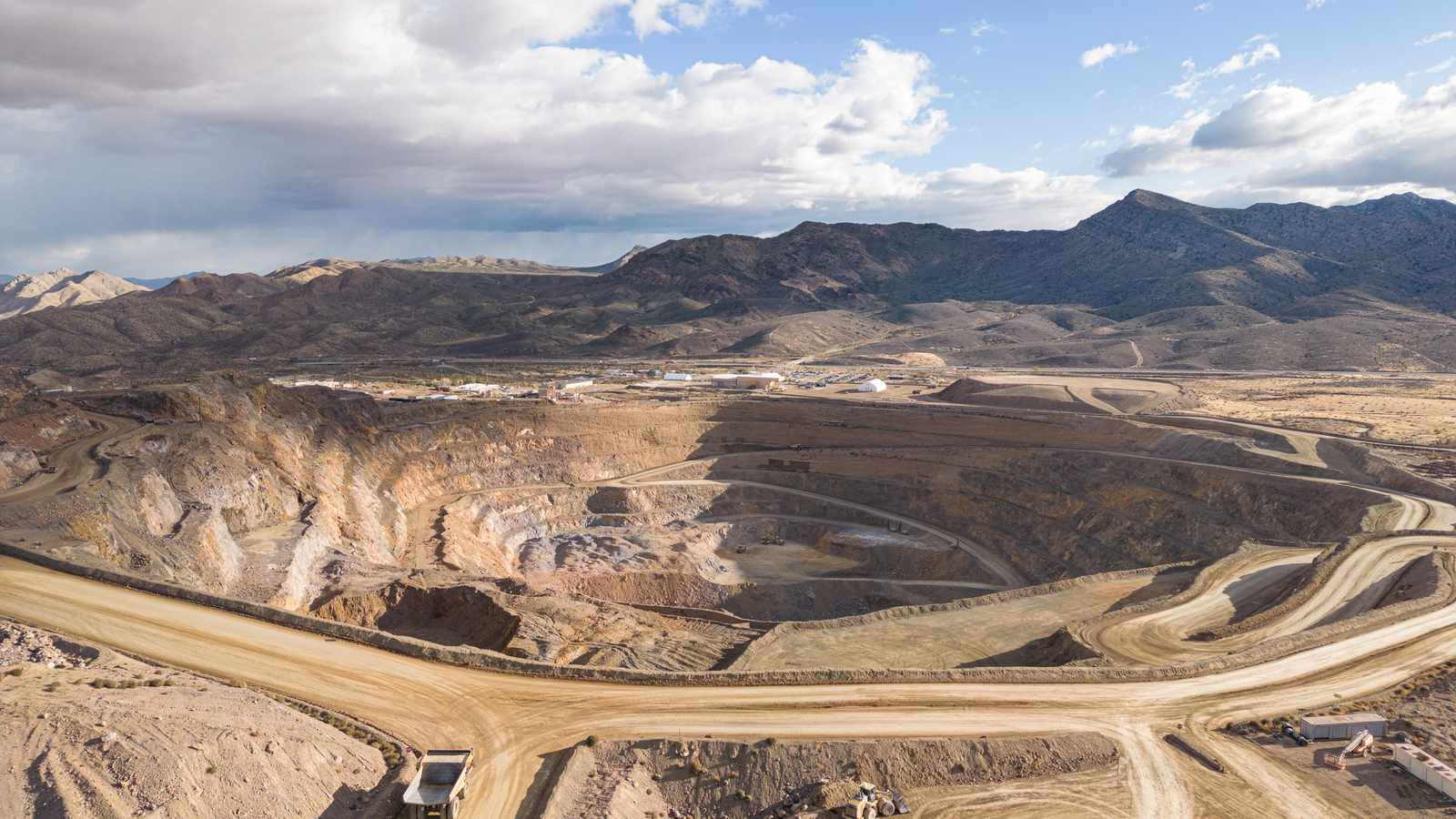
Based at Mountain Pass, California, MP Materials is more than just a mining operation. It’s the linchpin in America’s bid to secure a domestic supply of rare-earth elements, especially those crucial for manufacturing advanced magnets. With China controlling roughly 90% of processed rare-earths, and dominating the magnet market, the stakes have never been higher for MP—and for investors watching the next bull market take shape.
Rare-Earths: Why the World Cares and Why America Invests
Rare-earth elements are essential for a host of technologies: electric vehicle drivetrains, wind turbines, robotics, and nearly every modern electronic device. The problem? These minerals are difficult to mine, even harder to process, and the supply chain is overwhelmingly concentrated in China. According to The Motley Fool, this has prompted direct U.S. investment in companies like MP Materials and USA Rare Earth, aiming to build out American capabilities from mining to magnet manufacturing.
The urgency spiked in October 2025 when China expanded controls over its rare-earth exports, sending stocks like MP Materials and USA Rare Earth soaring. The move rattled markets and underscored the vulnerability of U.S. manufacturers to foreign supply shocks. Yet, by late October, a temporary trade deal paused those restrictions for a year, calming immediate fears but leaving the fundamental challenge unresolved.
MP Materials: Strategic Assets and the Road Ahead
MP Materials’ Mountain Pass mine is one of the only rare-earth mining sites of its kind in North America. The company doesn’t just extract raw materials—it’s investing in the capability to process and refine them domestically, a critical step for reducing dependence on overseas suppliers. According to filings and analyst commentary, MP is positioning itself to supply high-quality neodymium magnets, vital for the booming electric vehicle and renewable energy sectors.
Investor interest in MP Materials is also fueled by the company’s potential to ride broader market cycles. As MarketBeat and The Motley Fool note, the stock often trades in tandem with headlines about U.S.-China relations, making it both a proxy for geopolitical risk and a speculative play for those bullish on reshoring key supply chains. The volatility is real: MP Materials’ shares can swing on regulatory news, tariff threats, or investment incentives announced by Washington.
Buffett’s Cash, America’s Bet, and the Next Bull Market
The broader market context is shifting as well. As Warren Buffett prepares for his exit from Berkshire Hathaway, the conglomerate’s record cash hoard has led some to speculate about where the next wave of investment will land. While Buffett’s portfolio has leaned heavily into consumer staples and financials, analysts are watching for moves into sectors—like energy and advanced materials—that could benefit from global realignments.
MP Materials finds itself at the crossroads of these forces. With U.S. policy increasingly favoring domestic sourcing and advanced manufacturing, the company could become a central beneficiary of government contracts, subsidies, and strategic partnerships. The recent acquisition of the UK’s LCM, a producer of rare-earth metals and alloys, signals MP’s intent to control more of the supply chain, insulating itself from global market swings.
Risks and Rewards: Is MP Materials the Next Nvidia?
Some analysts have asked: could MP Materials be the “next Nvidia”? While the analogy is tempting—both companies supply foundational components for high-growth sectors—the path is far from guaranteed. Nvidia’s dominance is built on scale, innovation, and relentless demand for AI-capable chips. MP’s future hinges on execution, regulatory support, and the unpredictable tides of international trade.
What’s clear is that the rare-earth market is not for the faint of heart. The sector’s fortunes rise and fall with political negotiations, environmental policy, and technological shifts. Investors must weigh the promise of domestic supply chains against the risks of commodity price swings and operational challenges.
The Bottom Line: MP Materials as a Strategic Play
As the U.S. government and private sector push to secure rare-earths for the next generation of technology, MP Materials stands out as a strategic asset. Its success—or struggle—will likely echo far beyond Wall Street, shaping the future of American manufacturing and innovation. For now, the company remains a bellwether for investors betting on the resilience of domestic industry in a rapidly changing world.
Based on current trends and government priorities, MP Materials represents a compelling but volatile opportunity for investors. Its pivotal role in the rare-earth supply chain could yield substantial returns if U.S. reshoring initiatives succeed, but the stock’s sensitivity to policy and global market shifts requires careful, ongoing scrutiny.