
Quick Read
- Elon Musk’s DOGE initiative has sparked debates over its efficiency and impact.
- Some argue Musk’s federal influence mirrors a chaotic yet strategic approach.
- The transformation of Twitter into X serves as a model for Musk’s methods.
- Trump’s Project 2025 aligns with similar administrative overhaul strategies.
- Critics highlight potential risks to governance amid Musk’s growing role.
Elon Musk’s Federal Moves: Chaos or Calculated Strategy?
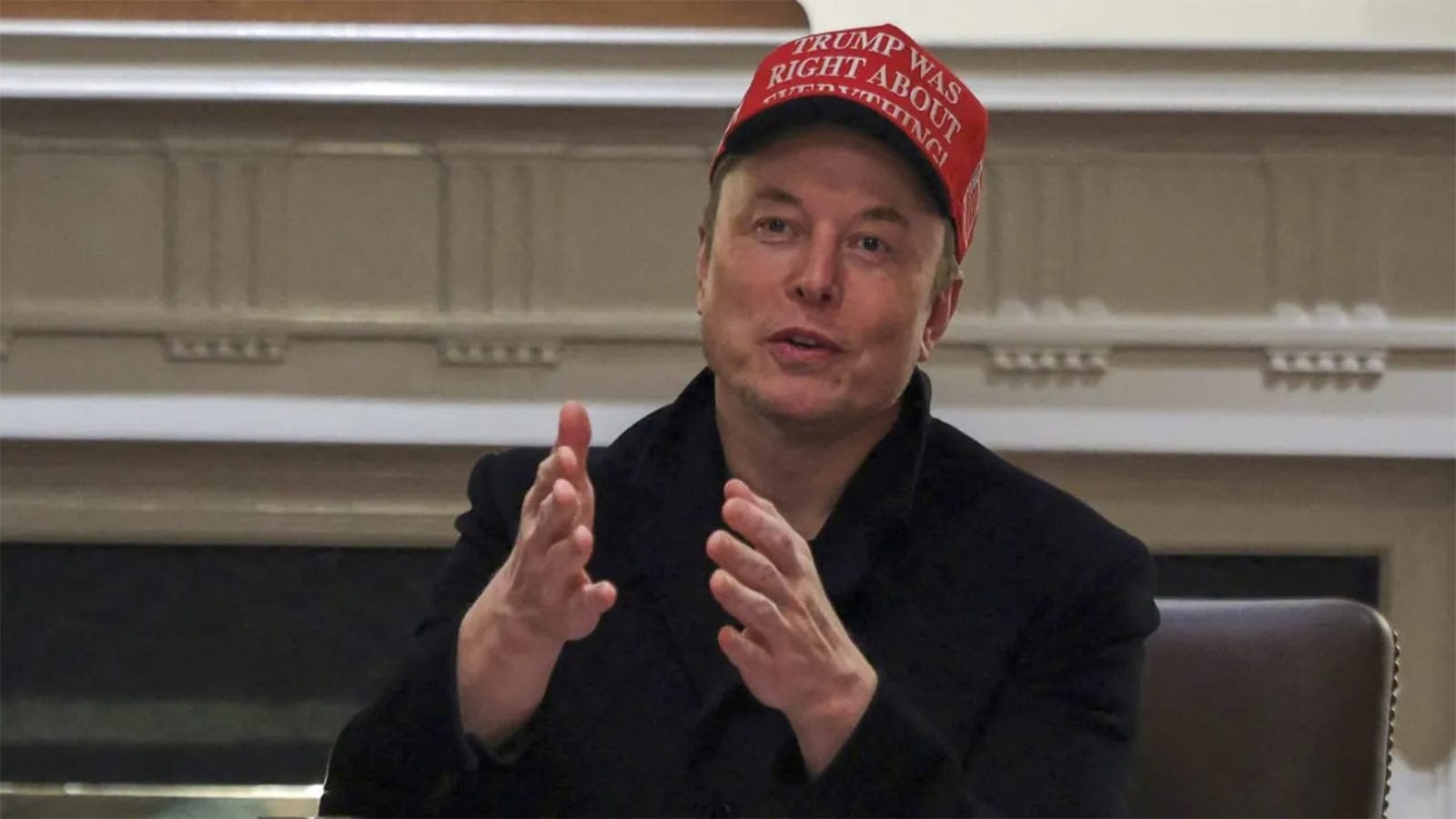
Elon Musk, the billionaire entrepreneur and CEO of Tesla and SpaceX, has consistently made headlines for his unconventional ventures. Recently, his involvement in federal initiatives, particularly through the so-called Department of Government Efficiency (DOGE), has sparked widespread debate. Critics argue that Musk’s approach represents chaos, but closer analysis suggests a calculated strategy aimed at consolidating power and influence.
 The Role of DOGE and Its Impact
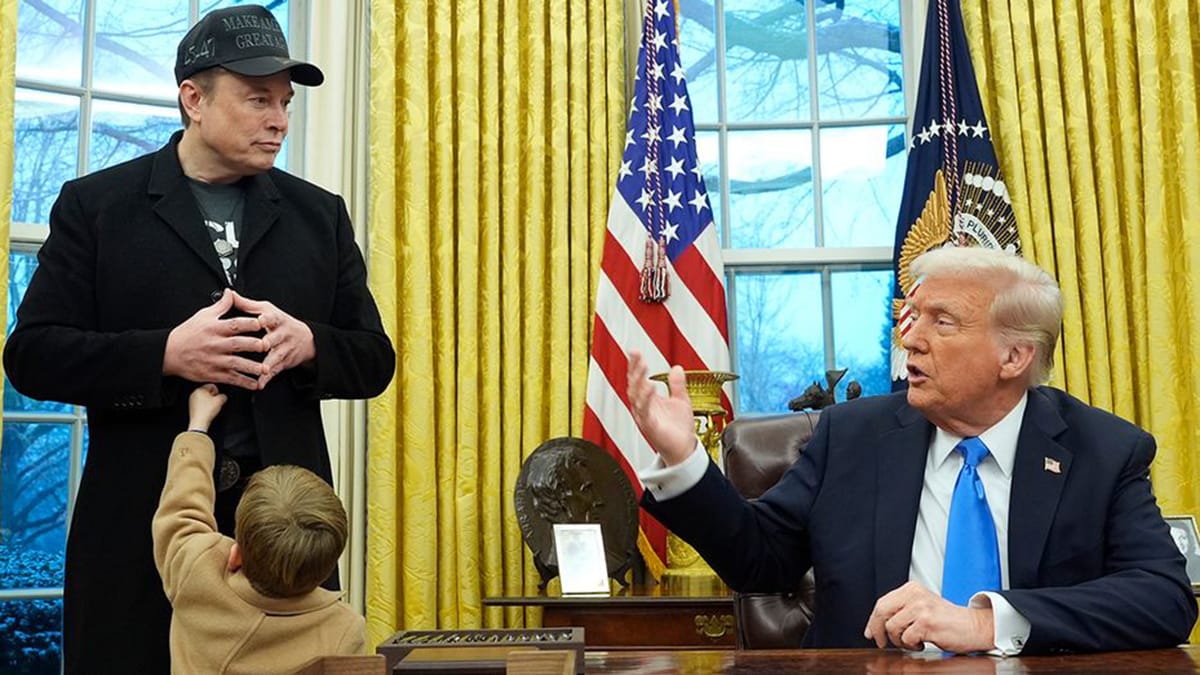
The Department of Government Efficiency (DOGE), a Musk-led initiative, has been accused of dismantling federal institutions. Reports suggest that nearly 1% of the federal workforce has resigned due to DOGE’s disruptive policies. While these actions have been criticized as haphazard, they align with Musk’s history of aggressive takeovers, such as his transformation of Twitter into X. Despite initial predictions of failure, X remains functional and has become a significant political tool.
Musk’s Broader Influence on Federal Policies
Musk’s influence extends beyond DOGE. He has reportedly acquired access to sensitive government data and significantly impacted agencies like USAID. His methods, described as improvisational, contrast with traditional federal operations but highlight his ability to navigate and exploit systemic loopholes. This approach raises questions about governance and the balance of power in a Musk-influenced administration.
Parallels with Trump’s Project 2025
Interestingly, Musk’s strategies share similarities with Project 2025, a Trump-backed initiative aimed at overhauling the federal government. While Project 2025 employs a methodical and quiet approach, Musk’s tactics are blunt and noisy. Both, however, demonstrate a commitment to reshaping governance, often at the expense of traditional checks and balances.
Public and Political Reactions
The public and political reactions to Musk’s initiatives have been mixed. Supporters argue that his actions are necessary to disrupt inefficiencies and innovate governance. Critics, however, warn of the risks associated with concentrating power in the hands of a few individuals. The debate underscores the broader tension between innovation and accountability in modern governance.
As Musk continues to expand his influence, the implications for governance and democracy remain uncertain. His actions, though controversial, reflect a broader trend of private sector involvement in public administration, challenging traditional notions of accountability and efficiency.
Source: Newsbreak, Theatlantic