
Quick Read
- Naples has launched a 200 million euro project to renovate the Stadio Diego Armando Maradona.
- UEFA President Aleksander Ceferin warned that Italy could lose its Euro 2032 hosting rights due to poor stadium infrastructure.
- Italy must identify its five host cities by October 2026, with construction on selected sites required to begin by March 2027.
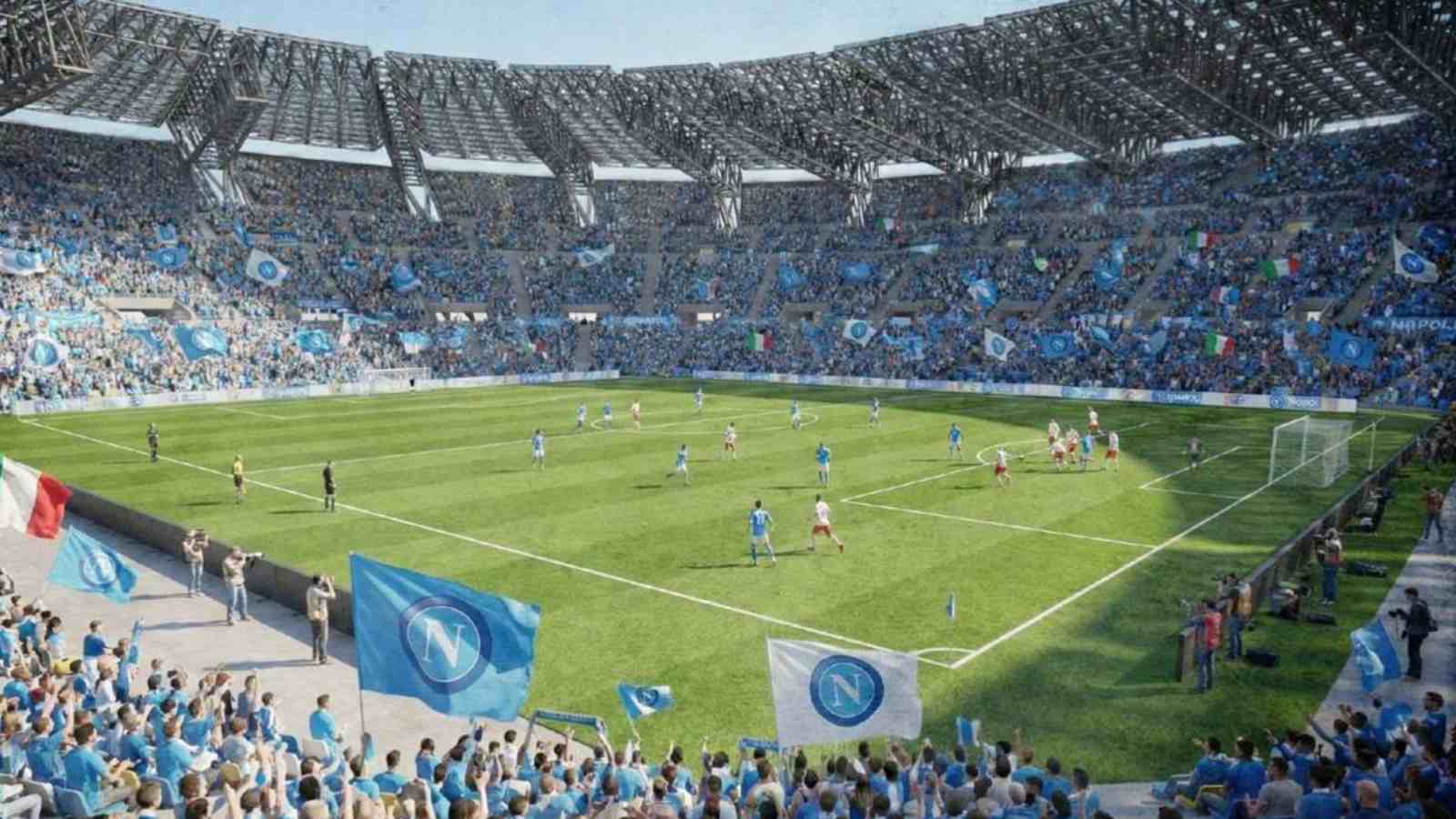
NAPLES (Azat TV) – The city of Naples has officially presented a 200 million euro ($230 million) renovation project for the Stadio Diego Armando Maradona, a critical move as Italy faces mounting pressure to modernize its infrastructure ahead of the 2032 European Championship. Mayor Gaetano Manfredi confirmed that the ambitious redevelopment, which includes the removal of the stadium’s iconic running track to bring fans closer to the pitch, is now a priority for the municipality.
The Stakes for Italian Football Infrastructure
The acceleration of the Maradona project comes directly in response to a stern warning from UEFA President Aleksander Ceferin. In a recent interview with Gazzetta Dello Sport, Ceferin cautioned that Italy risks losing its status as a co-host for Euro 2032 if the country fails to address the state of its stadiums, which he characterized as some of the worst in Europe. While the tournament is confirmed to proceed, Ceferin emphasized that the hosting rights are contingent upon the readiness of the venues.
Deadline and Development Requirements
Italy is required to finalize its list of five host cities by October 2026. Currently, 11 cities remain in contention, but infrastructure readiness remains a significant hurdle. Under UEFA guidelines, construction or major redevelopment works must commence by March 2027 to meet the requirements for the tournament. Currently, the Allianz Stadium in Turin is the only facility in the country considered fully prepared for international standards.
Broader Challenges in Stadium Modernization
The push to renovate the Stadio Diego Armando Maradona is part of a wider, often fraught, effort to revitalize Italian sports venues. Other major projects, such as the proposed new arena for AC Milan and Inter Milan, have faced delays due to legal and bureaucratic complications, including an ongoing investigation by the public prosecutor’s office into land sale procedures. By positioning the Maradona renovation as a necessity that transcends the 2032 tournament, local authorities in Naples are attempting to bypass the gridlock that has stalled similar infrastructure projects across Italy.
The urgency surrounding the Stadio Diego Armando Maradona project illustrates a broader institutional struggle within Italy: the difficulty of aligning aging, municipally-owned sporting assets with the rigorous, modern commercial requirements set by international governing bodies like UEFA.