
Quick Read
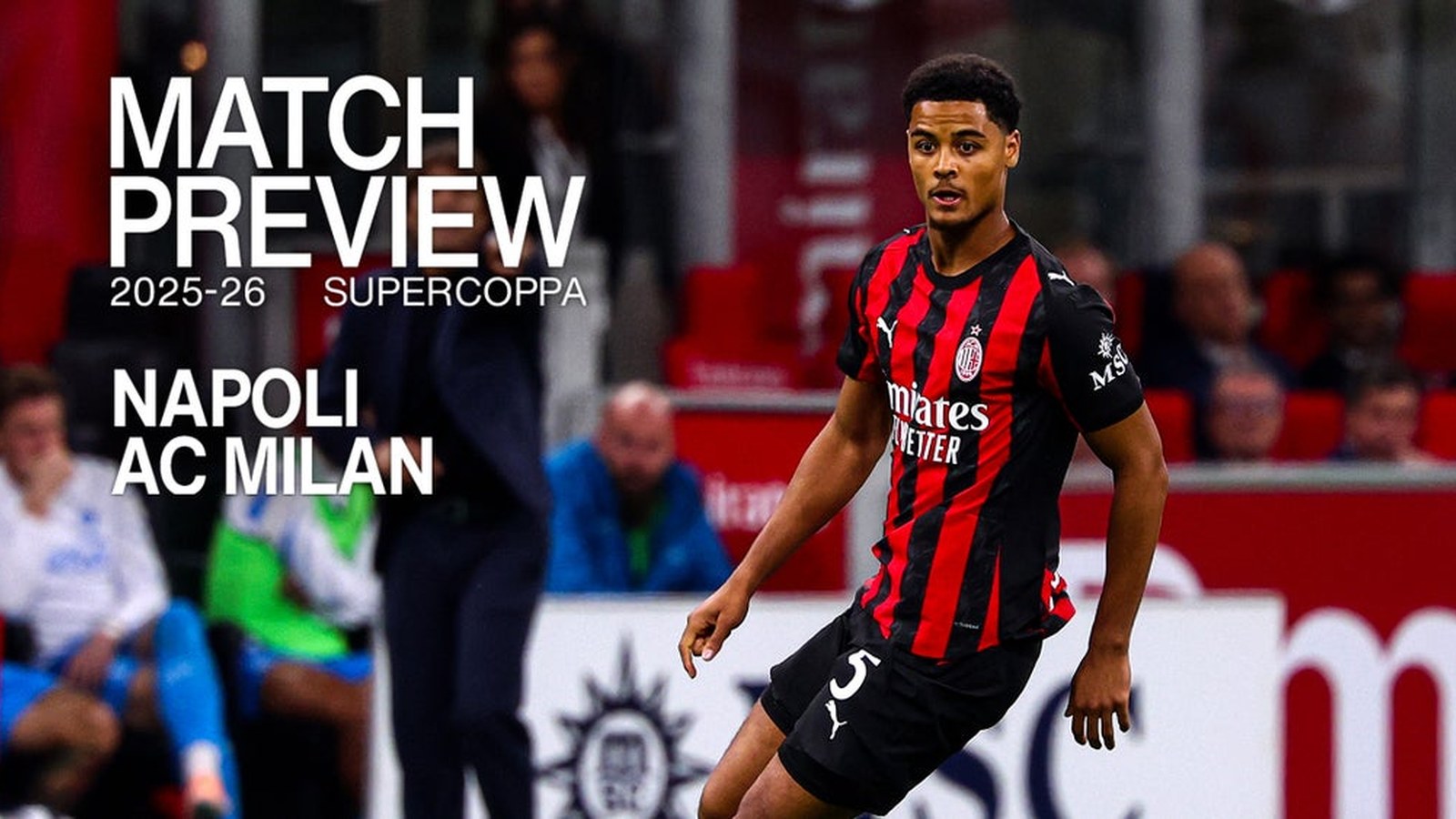
- Napoli defeated AC Milan 2-0 in Riyadh to reach the Supercoppa Italiana final.
- Goals from David Neres and Rasmus Højlund secured the win for Napoli.
- Milan struggled to create chances and were unable to defend their title.
- The match showcased the Supercoppa’s new Final Four format and global stage.
- Napoli will face the winner of Bologna v Inter in the final.
Napoli Dismantle Milan’s Defense in Riyadh to Reach Supercoppa Italiana Final
The 2025 Supercoppa Italiana semifinal in Riyadh was billed as a tactical chess match between two of Italy’s footballing giants. By the final whistle at King Saud University Stadium, it was Napoli who emerged with both the advantage and the applause, convincingly dispatching AC Milan 2-0 and booking their place in the tournament final (VAVEL, acmilan.com, World Soccer Talk).
Conte’s Napoli: Control, Precision, and Ruthless Finishing
From the opening minutes, Antonio Conte’s Napoli demonstrated why they’ve become one of Serie A’s most competitive outfits since his arrival. Compact in defense, disciplined in midfield, and incisive in attack, the Neapolitans dictated the rhythm—rarely letting Milan settle. The first breakthrough came in the 40th minute: a well-worked move down the left culminated in David Neres arriving unmarked to tap home the opener. Milan’s defense, slow to react, could only watch as the Brazilian finished with poise.
Napoli’s tactical clarity was evident throughout. Even after taking the lead, they refused to sit back. Possession and movement remained priorities, with the midfield trio winning duels and the backline keeping Milan’s attacking threats at bay. Rasmus Højlund’s second-half goal, a brilliant solo effort turning and firing past the keeper, sealed the contest. It was the kind of strike that not only extended Napoli’s advantage but also underscored the gulf in composure and execution between the two sides.
Milan Falter: Offense Sputters, Defensive Errors Prove Costly
For Milan, the night was one of frustration and missed opportunity. Despite arriving as defending Supercoppa champions and second in Serie A, the Rossoneri failed to impose themselves. Christian Pulisic and Fofana struggled to link up, while Luka Modrić—brought on in the 79th minute—couldn’t turn the tide with his trademark creativity. The team’s attacks lacked clarity and rhythm, with few moments threatening Napoli’s solid goalkeeper, Milinković-Savić.
Manager Massimiliano Allegri had emphasized the importance of ball control and game intelligence before the match, but Milan’s execution fell short. Their inability to capitalize on rare attacking chances, combined with defensive lapses—especially during the decisive moments—meant the reigning champions were eliminated, unable to defend their title.
Supercoppa Italiana: New Format, New Stakes
This semifinal was not just another fixture; it was a showcase of the Supercoppa Italiana’s evolving format and international ambitions. Since 2023, the tournament has adopted a Final Four structure, bringing four top clubs to single-match semifinals and a final. This shift, designed to boost competitiveness and global appeal, has seen the Supercoppa played in international venues like Riyadh, further enhancing its prestige.
For Napoli, the win is more than a ticket to the final—it’s a statement. After a recent Serie A defeat to Udinese, Conte’s side needed a response. The victory not only restores confidence but also positions them as firm contenders for domestic and international honors. For Milan, meanwhile, the defeat raises questions about their offensive consistency and ability to perform under pressure, especially with only one point separating them from league leaders Inter.
Key Players and Tactical Decisions
David Neres and Rasmus Højlund were the headline makers, but Napoli’s success was built on collective discipline. Milinković-Savić’s reliability in goal provided a solid foundation, while midfielders like McTominay and Elmas kept the engine running. Conte’s reintegration of key figures such as Lobotka and Gutierrez, plus Lukaku’s return after a long absence, added depth and options.
On Milan’s side, Allegri’s choices were hampered by injuries—Gimenez and Gabbia were unavailable, though Fofana was declared fit. The late introduction of Modrić was a gamble that failed to pay off, as Milan’s attack remained disjointed. Bartesaghi and Pulisic, both in recent form, couldn’t replicate their scoring touch from previous games.
Atmosphere and Global Stage
With 27,000 spectators at King Saud University Stadium, the match had the feel of a continental showdown rather than a domestic cup. Supporters from both sides filled the stands, though Milan’s Arab fans grew quiet as their team’s performance faltered. The neutral venue, modern infrastructure, and international broadcast coverage (Mediaset in Italy, DIRECTV in South America, Paramount+ in the US) underscored the Supercoppa’s growing global reach.
Looking Ahead: Final and Season Implications
Napoli’s victory sets up a final against the winner of Bologna v Inter, with the trophy to be decided on December 22. The result carries weight beyond silverware—it could set the emotional tone for the remainder of the season, boosting confidence and momentum for Napoli as they chase both league and cup honors. For Milan, the challenge now is to regroup, reassess, and address the gaps exposed by a disciplined Napoli side.
Referee Luca Zufferli managed the match with authority, aided by his officiating team and VAR, with no major controversies or extra time—if tied after 90 minutes, the rules dictated an immediate penalty shootout, though Napoli’s two goals rendered that scenario moot (acmilan.com).
The 2025 Supercoppa Italiana semifinal was a microcosm of Italian football’s evolution: tactical innovation, international ambition, and the ongoing quest for supremacy between storied clubs. For Napoli, this was a night of answers. For Milan, a moment of reckoning.
Napoli’s victory over Milan was not only a tactical masterclass but also a reflection of the shifting dynamics in Italian football. With Conte’s disciplined approach and new tournament formats elevating the stakes, clubs are compelled to adapt—or risk falling behind. Milan’s struggles exposed the importance of squad depth and flexibility, while Napoli’s composure under pressure may well define their ambitions for the rest of the season.