
Quick Read
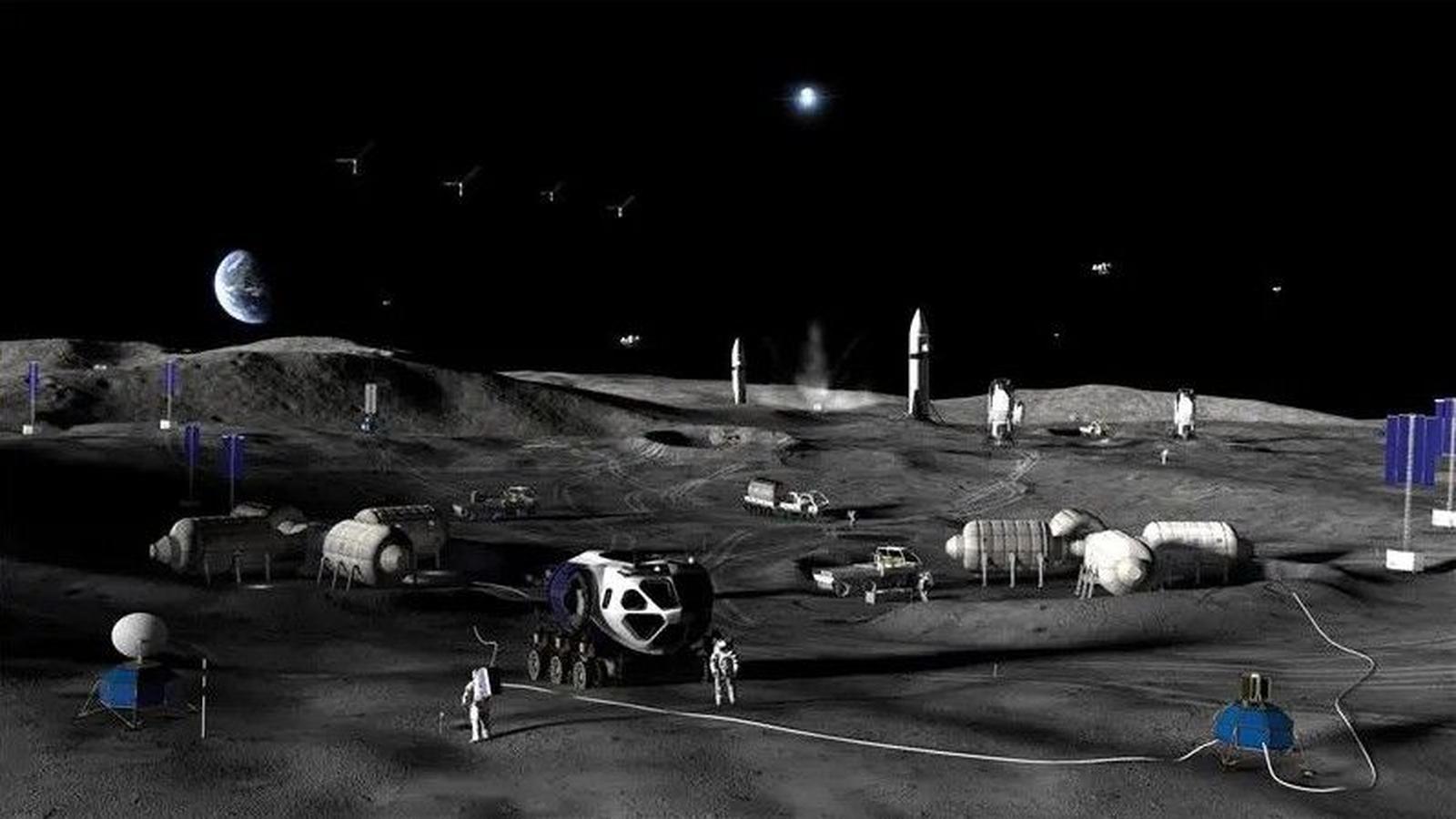
- NASA cancels planned lunar Gateway station to build $20 billion moon base.
- The moon base will be built in three phases, targeting permanent human presence.
- NASA plans to repurpose Gateway hardware for lunar surface operations.
- The move accelerates US lunar ambitions amid growing competition with China.
- NASA also announced development of a nuclear-powered spacecraft for Mars missions.
WASHINGTON (Azat TV) – NASA announced on March 25, 2026, a major shift in its Artemis lunar program by canceling the long-planned lunar Gateway space station in favor of a $20 billion permanent moon base. This pivot aims to accelerate establishing an enduring US presence on the lunar surface amid intensifying competition with China and budget pressures.
NASA cancels lunar orbit Gateway to build $20 billion moon base
During a high-profile news conference dubbed “Ignition,” NASA Administrator Jared Isaacman outlined the agency’s ambitious goal to focus efforts on a three-phase lunar base. The first phase will emphasize experimental designs and functionality tests, followed by semi-habitable infrastructure, and concluding with a fully permanent settlement on the moon’s south pole. This marks a strategic departure from the previously central Gateway lunar orbit station, originally slated for launch in 2027, which NASA will now pause indefinitely.
Isaacman described this decision as essential to advancing America’s leadership in space. “NASA is committed to achieving the near-impossible once again,” he said, emphasizing the urgency to return humans to the moon and establish a foothold before geopolitical rivals gain ground.
Technical feasibility and repurposing Gateway components for surface use
The cancellation of the Gateway station raises questions about technical feasibility and cost-efficiency. NASA intends to repurpose some Gateway hardware and expertise for the lunar base, leveraging lessons from the station’s development to enhance surface operations. Industry partners and international collaborators previously engaged on Gateway components may now contribute to modular habitats and support systems adapted for lunar conditions.
Despite budgetary constraints, NASA plans to ramp up launch frequency and standardize rocket architecture, integrating reusable and commercially sourced hardware to reduce long-term costs. The moon base is designed to support sustained human presence and scientific research, serving as a proving ground for deeper space exploration, including Mars missions.
Race for lunar dominance and nuclear-powered spacecraft ambitions
This announcement coincides with NASA’s unveiling of the “Space Reactor-1 Freedom,” the world’s first nuclear-powered interplanetary spacecraft, targeted for launch by 2028. The spacecraft will enable faster, more efficient missions to Mars, complementing lunar surface activities.
China is accelerating its lunar exploration plans, aiming to land astronauts on the moon before 2030 and contesting US dominance of key lunar south pole sites. Isaacman warned that “the difference between success and failure will be measured in months, not years,” underscoring the geopolitical stakes driving NASA’s accelerated timeline.
Implications for the Artemis program and future space exploration
NASA’s pivot from Gateway to a surface base signals a new phase in Artemis, focusing on sustained lunar habitation rather than orbital staging. The program now targets two crewed lunar landing missions in 2028, with Artemis IV and Artemis V tasked with building the base’s foundation.
This shift is expected to reshape international partnerships and commercial involvement, as NASA aims for biannual crewed missions to the moon. The move also reflects an evolving vision of the moon as a strategic platform for testing technologies and operations critical for Mars and beyond.
NASA’s decision to cancel the Gateway station and invest heavily in a direct lunar surface base highlights a pragmatic recalibration of goals. By consolidating resources and focusing on a permanent foothold on the moon, the agency aligns its ambitions with geopolitical urgency and technological innovation, setting the stage for a new era of human space exploration.