
Quick Read
- NASA’s Perseverance rover discovered potential biosignatures on Mars.
- The samples were collected from Jezero Crater, an ancient river delta.
- Chemical reactions billions of years ago may have supported microbial life.
- The findings could reshape our understanding of life in the universe.
- Future missions aim to return these samples to Earth for deeper analysis.
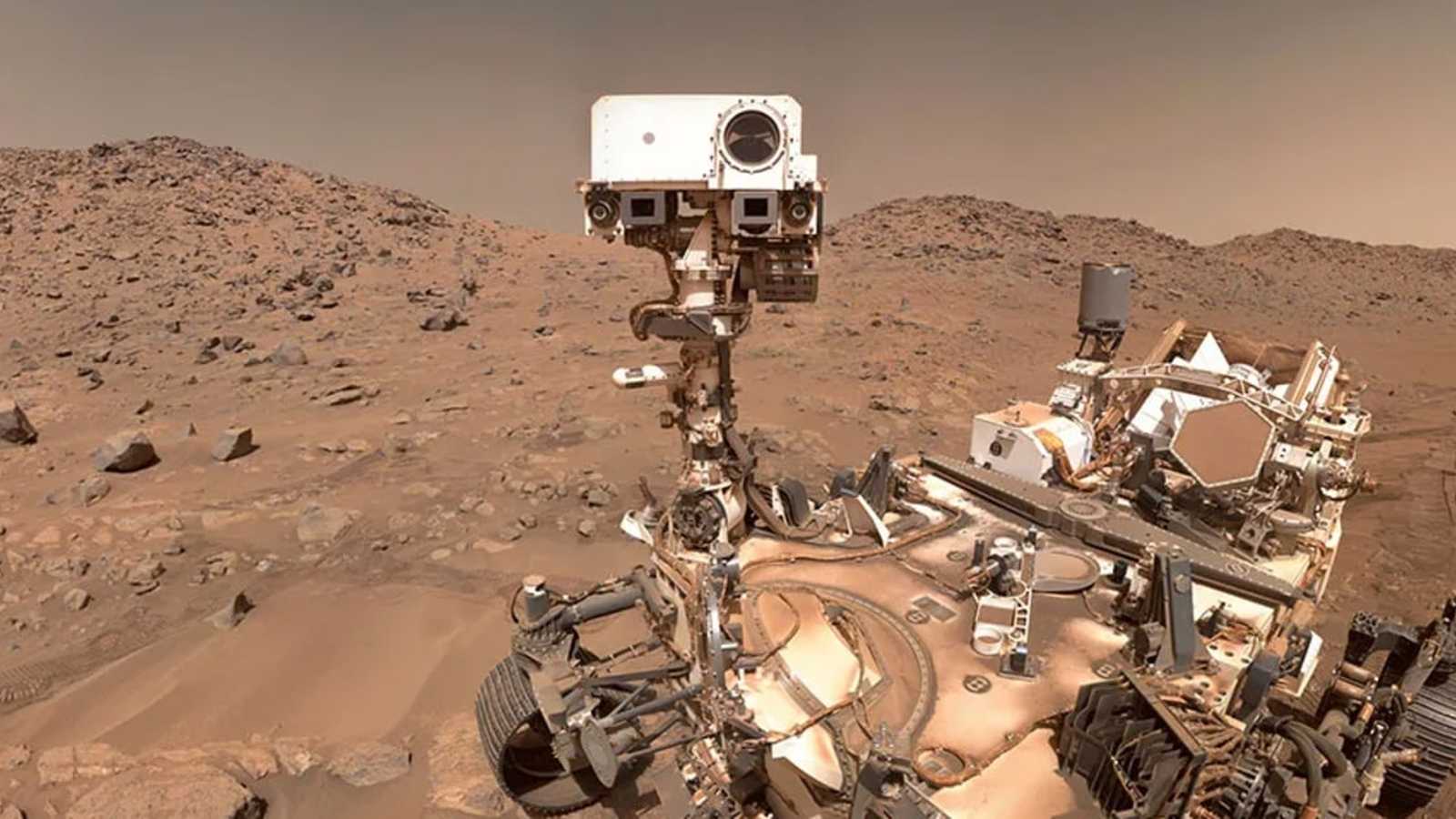
NASA’s Perseverance rover has once again made headlines with a groundbreaking discovery on Mars. A rock sample collected from Jezero Crater, an ancient river basin, has shown potential signs of ancient microbial life, leaving scientists and space enthusiasts thrilled about the possibility of unraveling one of humanity’s greatest mysteries: are we alone in the universe?
The Discovery That Could Redefine Mars Exploration
On July 2024, Perseverance extracted a rock sample from a site nicknamed “Cheyava Falls” within Jezero Crater. This 28-mile-wide basin, situated north of the Martian equator, has long intrigued scientists due to its sedimentary layers, indicative of a watery past. The rock, adorned with dark black patches resembling leopard spots, revealed an array of intriguing chemical components, including clay, silt, organic carbon, sulfur, oxidized iron, and phosphorous.
According to NASA, these features suggest that a series of chemical reactions occurred during the rock’s formation billions of years ago. While not direct evidence of life, these “biosignatures” may point to the activity of ancient microorganisms. Nicky Fox, associate administrator of NASA’s Science Mission Directorate, called the finding “the closest we’ve actually come to discovering ancient life on Mars.”
What Are Biosignatures and Why Do They Matter?
A biosignature is any physical or chemical feature that could indicate biological processes. In the case of Mars, the leopard-like spots on the Cheyava Falls rock might be mineral deposits left behind by microbial life. Joel Hurowitz, a planetary scientist at Stony Brook University and lead author of a study published in Nature, explained that these patterns could have been formed by microorganisms consuming organic carbon, phosphorous, and other elements billions of years ago.
The significance of this discovery extends beyond Mars. It forms part of humanity’s larger quest to understand the origins of life itself. If microbial life once thrived on Mars, it would suggest that life is not unique to Earth and could exist elsewhere in the universe under the right conditions.
The Role of Jezero Crater in Mars’ Watery Past
Jezero Crater was chosen as Perseverance’s exploration site due to its history as an ancient river delta. Billions of years ago, water flowed into this basin, depositing layers of sediment that could have supported microbial ecosystems. The clay and silt found in the Cheyava Falls sample are indicative of such a wet environment, which scientists believe is essential for life as we know it.
Moreover, the presence of organic carbon—a fundamental building block of life—raises tantalizing questions. Could these elements have combined in ways that led to the emergence of primitive life forms? Scientists remain cautious, emphasizing that further analysis and sample returns to Earth are needed to confirm these hypotheses.
The Next Steps in Unraveling Mars’ Mysteries
While Perseverance continues its mission to gather more samples, NASA is already planning the next phase of its Mars exploration program. The Mars Sample Return mission, scheduled for the 2030s, aims to bring these precious specimens back to Earth for detailed laboratory analysis. This initiative could provide definitive answers about the potential for life on Mars.
In the meantime, the findings from Jezero Crater have reignited discussions about the possibility of life beyond Earth. They also underscore the importance of continued investment in space exploration, which not only expands our scientific understanding but also inspires humanity to reach for the stars.
As NASA’s Perseverance rover uncovers more clues about Mars’ past, the dream of discovering extraterrestrial life feels closer than ever. This groundbreaking discovery at Jezero Crater could mark the beginning of a new chapter in our understanding of life in the cosmos.