
Quick Read
- A car-sized asteroid is set to pass Earth on February 17, 2026, at 12,616 miles per hour.
- This flyby is a routine event, highlighting NASA’s continuous monitoring of near-Earth objects.
- NASA officials warn that approximately 15,000 larger, ‘city-killer’ asteroids (140m+) remain undetected.
- The DART mission demonstrated asteroid deflection, but no spacecraft is ready for immediate deployment.
- NASA plans to launch the Near-Earth Object Surveyor telescope next year to improve detection capabilities.
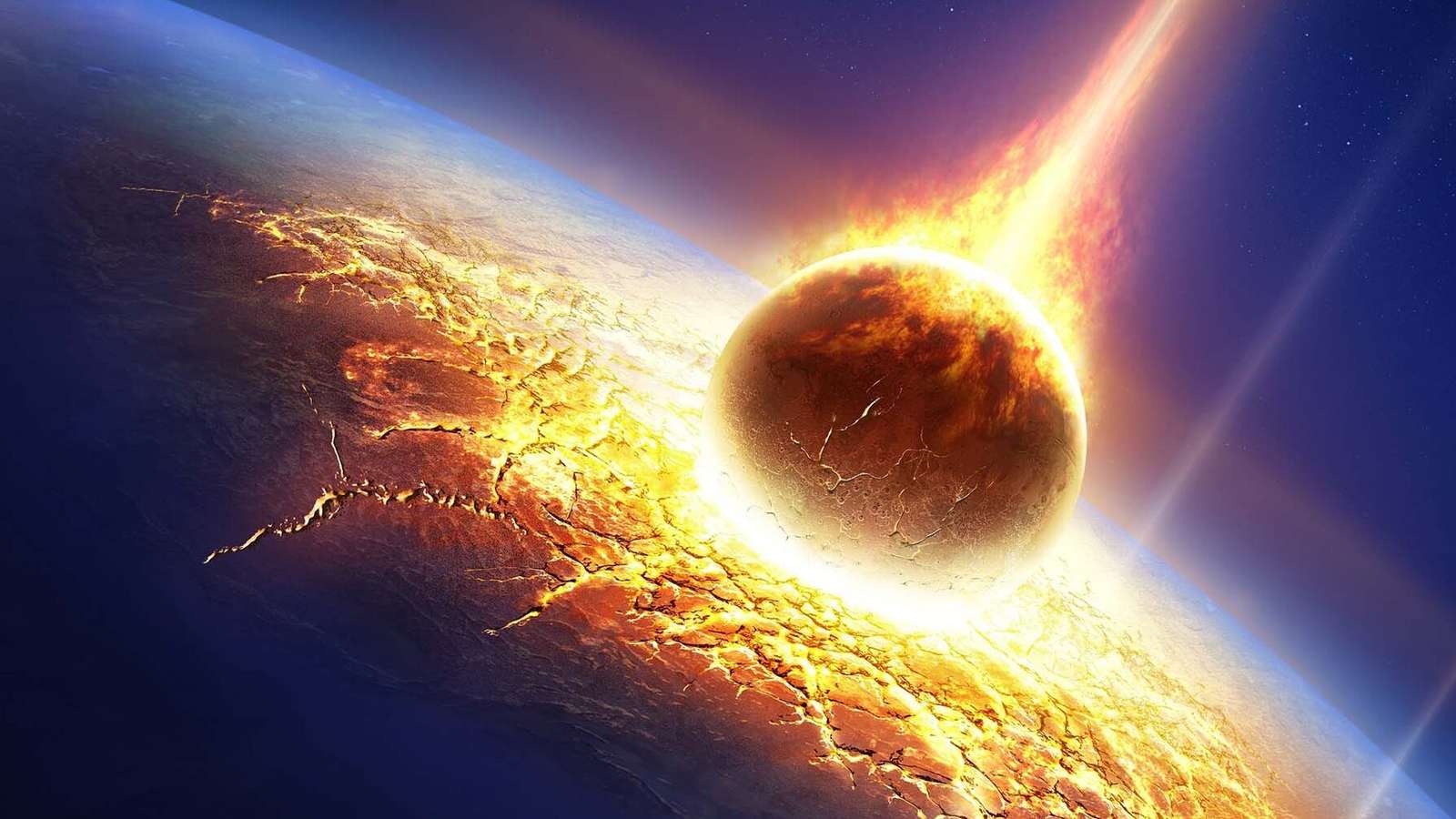
WASHINGTON (Azat TV) – A car-sized asteroid is expected to make a close approach to Earth on February 17, zipping past our planet at an approximate speed of 12,616 miles per hour. This routine celestial event highlights the ongoing vigilance of NASA and other space agencies in tracking near-Earth objects (NEOs), which are remnants from the solar system’s early formation and are often referred to as minor planets.
While this particular asteroid is small and poses no threat, its flyby serves as a reminder of the dynamic environment of our solar system and the necessity of robust planetary defense systems. NASA continuously monitors countless objects in space, from small debris to much larger asteroids, to assess potential risks and ensure the safety of Earth.
NASA’s Ongoing Asteroid Monitoring Efforts
The monitoring of asteroids like the one expected on February 17 is part of NASA’s broader mission to detect and track NEOs. These objects, which can range from a few meters to many kilometers in diameter, are cataloged and their trajectories are calculated to predict any potential close encounters with Earth. While many passes are uneventful, continuous observation is crucial for understanding their behavior and identifying any future threats.
Asteroids are rocky, airless remnants left over from the early formation of our solar system, roughly 4.6 billion years ago. They vary greatly in size and composition, with the majority residing in the main asteroid belt between Mars and Jupiter. However, some have orbits that bring them closer to Earth, necessitating constant surveillance.
Addressing Undetected ‘City-Killer’ Asteroids
Despite significant advancements in asteroid detection, NASA officials have raised concerns about the thousands of larger, potentially destructive asteroids that remain untracked. Dr. Kelly Fast, who leads planetary defense at NASA, stated on February 16 that approximately 15,000 mid-sized near-Earth objects, measuring at least 140 meters across, are still undiscovered. These objects, often dubbed ‘city-killer’ asteroids, could cause severe regional destruction if they were to strike Earth, though they are unlikely to trigger global consequences, according to reports from Moneycontrol and The News.pk.
Dr. Fast emphasized that while larger asteroids are mostly cataloged, the intermediate-sized objects present a significant risk because many travel in orbits that are difficult for current telescopes to detect. Only about 40% of objects larger than 140 meters are currently identified, indicating major detection gaps.
Planetary Defense and Future Preparedness
The challenges in identifying these larger threats underscore the urgency of improving planetary defense capabilities. Dr. Nancy Chabot of Johns Hopkins University, who led NASA’s Double Asteroid Redirection Test (DART) mission, highlighted that while the DART experiment successfully demonstrated the possibility of deflecting an asteroid by striking its moon Dimorphos at 14,000 mph, no similar spacecraft is currently ready for immediate launch. This means that if a significant threat were to emerge now, a rapid response would be challenging.
Chabot stressed the need for sustained investment and planning to ensure preparedness, noting that such investment has been limited. The episode involving asteroid YR4, which approached Earth on December 25, 2024, initially raising collision fears for 2032 before later analysis ruled out an impact, further exposed existing monitoring gaps. To address these, NASA plans to launch its Near-Earth Object Surveyor telescope next year, aiming to find hidden asteroids faster and provide earlier discovery for better protection, as reported by The Express.
The upcoming flyby of a small, car-sized asteroid on February 17, while harmless, underscores the dual nature of humanity’s interaction with space objects: routine celestial mechanics on one hand, and the critical, ongoing challenge of planetary defense against larger, less understood threats on the other. This event serves as a microcosm of the continuous scientific effort required to map our cosmic neighborhood and safeguard our planet.