
Quick Read
- Brooksville residents joined the nationwide ‘No Kings’ protest on October 18.
- Over 7 million people participated in 2,700 events across all 50 states.
- Demonstrators voiced concerns over perceived executive overreach by President Trump.
- Trump supporters held a peaceful counter-demonstration nearby.
Brooksville Steps Into the Spotlight: The Heart of ‘No Kings’ Protest
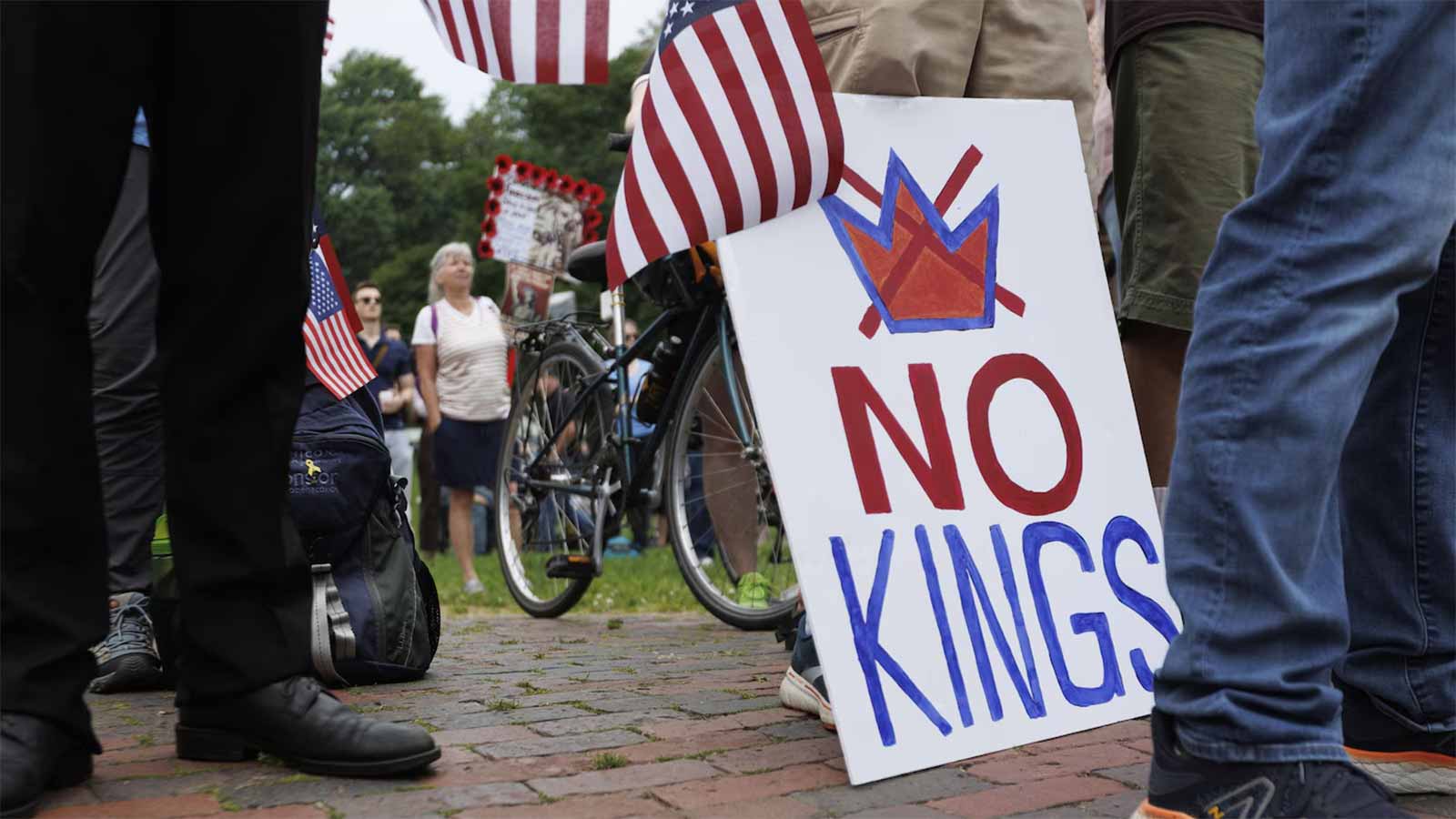
On a brisk Saturday morning, the usually quiet intersection of Mariner Boulevard and State Road 50 in Brooksville, Florida, transformed into a focal point for a growing national movement. Local residents, some clutching homemade signs, others waving flags, gathered together for the ‘No Kings’ protest—a demonstration rooted in the belief that no single leader should wield unchecked power in America.
This event was just one of over 2,700 protests held across all 50 states on October 18, according to the No King website. Organizers estimate that more than 7 million people participated nationwide, a figure that underscores the scale and reach of the movement. Brooksville’s turnout, though modest compared to urban centers, reflected a cross-section of the community: retirees, young parents, students, and long-time activists stood shoulder to shoulder, united by a desire to express their opposition to what they see as executive overreach under President Donald Trump.
What Drove the Protest? Voices and Motivations
As the morning sun rose, conversations among the protesters revealed a tapestry of motivations. Some cited concerns about the erosion of checks and balances, referencing recent decisions made by the Trump administration they felt sidestepped congressional approval. Others pointed to broader issues: the importance of upholding the Constitution, protecting democratic institutions, and fostering civil discourse in increasingly polarized times.
Betty Kennedy, a Spring Hill resident, shared her perspective on social media: “We’re here because democracy is precious. No one—no president, no party—should have the power of a king.” Her words echoed the sentiment found on placards scattered along the sidewalk, some quoting historical figures, others simply stating, “No Kings. No Puppets.”
The protest’s timing was symbolic as well. Earlier iterations of ‘No Kings’ demonstrations had coincided with President Trump’s birthday and the 250th anniversary of the U.S. military—a deliberate nod to the country’s founding ideals and the sacrifices made to preserve them.
Counter-Demonstrations: A Divided Street, A Shared Stage
Directly across the street, Trump supporters held their own counter-demonstration. The contrast was striking: American flags fluttered on both sides, but the messages diverged sharply. Supporters of the administration argued that President Trump was fulfilling his mandate, protecting national interests, and challenging entrenched systems. Some saw the ‘No Kings’ protest as partisan or misguided, dismissing accusations of authoritarianism as overblown.
Yet, despite occasional heated exchanges, the atmosphere remained largely peaceful. Police officers monitored the scene, but there were no reports of violence or major disruptions. The real clash, it seemed, was one of ideas—a microcosm of the broader national debate playing out in communities across the U.S.
The National Picture: 7 Million Voices, 2,700 Events
From Brooksville to Seattle, the ‘No Kings’ movement captured the imagination of citizens concerned about the direction of American governance. The scale of participation—over 7 million people, according to organizers—reflects both deep anxieties and a renewed commitment to public engagement. At many protests, participants emphasized that their opposition was not limited to a single administration or party. Instead, they called for enduring safeguards against any future leader who might seek unchecked authority.
Media outlets like Hernando Sun and independent platforms such as Juneau Independent chronicled the events, highlighting the diversity of voices and the creative tactics employed: from flash mobs and banner drops to teach-ins and online forums. In some cities, local officials joined demonstrators, underscoring the bipartisan nature of concerns about executive power.
In interviews, organizers stressed that the movement was as much about civic education as protest. “We want people to understand how our government works—and why it matters,” said one volunteer, distributing pamphlets outlining the separation of powers and the role of Congress.
Looking Forward: What Comes After the Protest?
For many participants, the ‘No Kings’ protest was just the beginning. Local groups in Brooksville and elsewhere plan to continue their advocacy, organizing town halls, letter-writing campaigns, and educational workshops. Some hope to influence upcoming elections, encouraging candidates who pledge to respect constitutional limits and promote transparency.
The movement’s long-term impact remains to be seen. While critics argue that protests alone rarely lead to substantial policy change, supporters counter that public demonstrations are essential for raising awareness and holding leaders accountable. As one Brooksville protester put it, “If we don’t speak up now, when will we?”
Ultimately, the ‘No Kings’ movement represents a larger conversation about power, responsibility, and the future of democracy in America. By coming together in public spaces—sometimes divided, sometimes united—citizens are staking their claim to the principles that define the nation.
In a year marked by political turbulence and sharp divides, the ‘No Kings’ protests signal a rising tide of civic engagement. Their peaceful, widespread nature suggests that, while Americans may disagree on policy, many remain fiercely committed to the checks and balances that underpin their democracy. Whether this movement leads to lasting change will depend on sustained effort—and a willingness to keep the conversation going, even when it’s uncomfortable.