
Quick Read
- NATO has completed the withdrawal of all its troops from Iraq, relocating personnel to Italy.
- The move is a response to escalating regional conflict and attacks on U.S. bases and diplomatic missions by pro-Iranian fighters.
- The withdrawal is described as temporary, with NATO expected to return once the regional security situation stabilizes.
BAGHDAD (Azat TV) – Hundreds of NATO troops, described as the “cornerstone” of the alliance’s Middle East presence, have been withdrawn from Iraq as a regional war intensifies, with personnel relocated to Italy. The move comes as Iraq finds itself caught in the crossfire of a conflict involving Iran, with U.S. bases and diplomatic missions in the country facing attacks from pro-Iranian fighters. The withdrawal marks a significant shift in NATO’s engagement in the Middle East amidst heightened geopolitical tensions.
NATO’s Temporary Withdrawal from Iraq
NATO confirmed that its last personnel departed Iraq on Friday, March 20, 2026. The alliance characterized the operation as a temporary adjustment of its posture due to the volatile regional situation and security concerns for its personnel. A security source speaking to the Iraqi News Agency indicated that NATO is expected to return once the conflict subsides and the security situation in Iraq stabilizes. General Alexus Grynkewich, NATO’s Supreme Allied Commander Europe, expressed gratitude to Iraq and allied nations for their assistance in the safe relocation of troops.
Context of NATO’s Mission and Regional Escalation
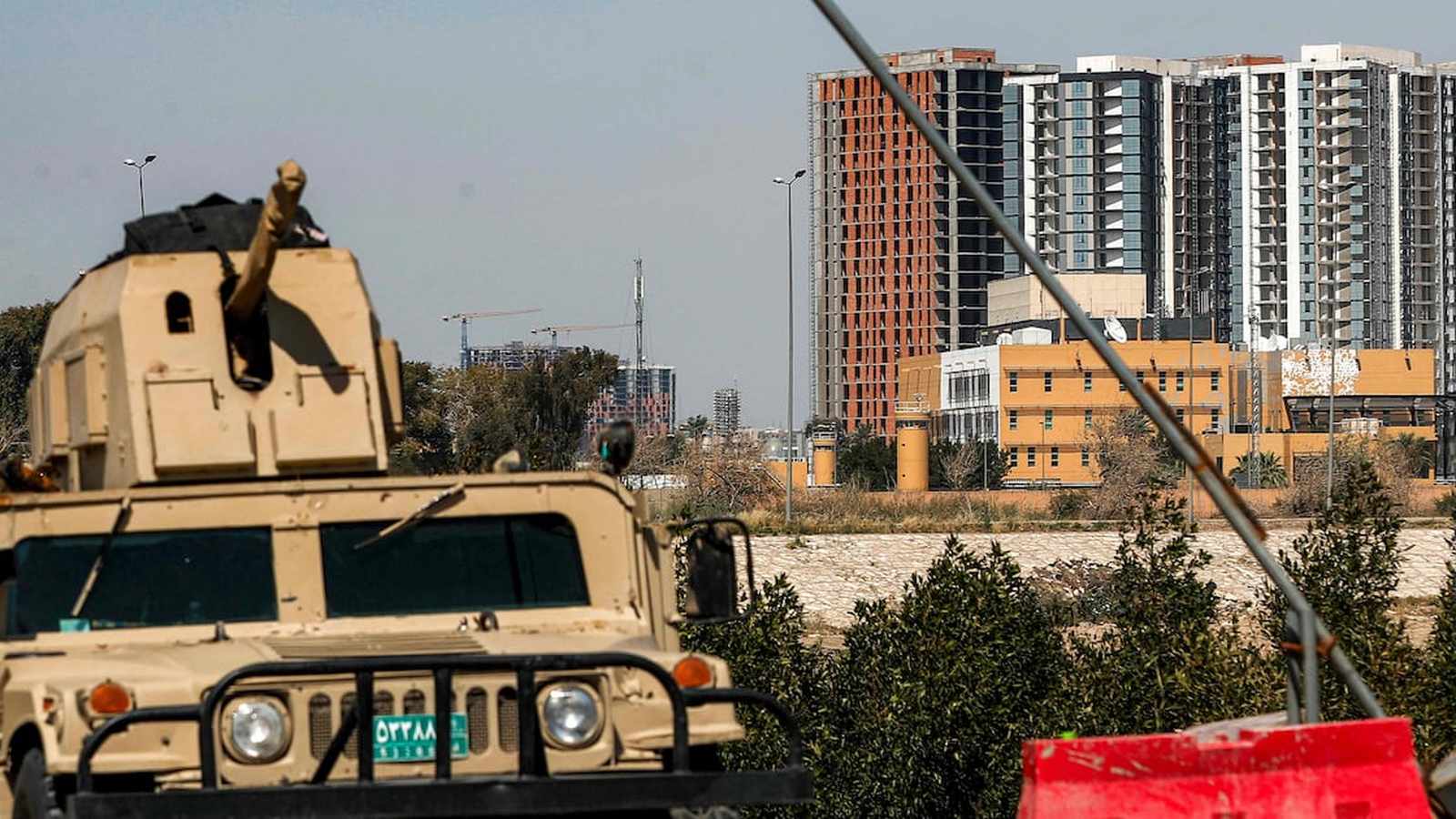
NATO’s mission in Iraq, designated as a “non-combat mission,” comprised hundreds of personnel from 32 member countries, along with partners Austria and Australia. Its stated objective was to aid Iraqi authorities in stabilizing the country and countering the remnants of ISIS, following Iraq’s declaration of victory over the group in 2017. NATO Secretary General Mark Rutte had previously described the force as a crucial component of the alliance’s Middle East engagement. However, the escalating war in the region, particularly involving Iran, has created a perilous environment. The U.S. embassy in Baghdad, its consulate in Erbil, and military bases in both cities have experienced direct attacks, complicating ongoing U.S. withdrawal plans from Iraq.
Geopolitical Ramifications and U.S. Stance
The withdrawal occurs against a backdrop of broader regional instability, with U.S. President Donald Trump publicly criticizing fellow NATO members for their perceived inaction regarding the blockade of the Strait of Hormuz, stating, “Without the USA, Nato is a paper tiger.” This sentiment highlights a transatlantic divide in approach to the escalating Middle East crisis. Iraq’s position as a host to both U.S. troops and Iran-linked factions makes it a particularly sensitive flashpoint during this period of heightened conflict.
The complete withdrawal of NATO forces from Iraq, even if temporary, underscores the profound impact of the escalating regional war on international military presences and highlights the challenges of maintaining stability in a complex geopolitical landscape.