
Quick Read
- Online advertising uses cookies to collect data for interest-based ads.
- State Privacy Laws (CCPA, CPRA, VCDPA) define data collection for targeted ads as a ‘sale’ or ‘sharing’ of personal information.
- Consumers have the right to opt out of the sale or sharing of their data for targeted advertising.
- Opting out does not disable all functional cookies or eliminate all online ads.
- Global Privacy Control (GPC) allows California residents to send a universal opt-out signal via their web browser.
In an increasingly interconnected digital world, our online activities leave a trail of data that is constantly being collected, analyzed, and often, monetized. Every click, every search, every visit to a website contributes to a vast ecosystem of information that fuels the modern advertising machine. While this system often promises a more personalized and relevant online experience, it also raises fundamental questions about individual privacy and control over personal information. As we move further into 2026, the landscape of digital privacy continues to evolve, shaped by groundbreaking legislation designed to empower consumers.
At the heart of this discussion lies the concept of online advertising services that leverage cookies and similar technologies. These digital tools are designed to gather information about your device and your online behavior across various sites, applications, and other digital platforms. The primary goal? To create a detailed profile of your interests, preferences, and habits, which then allows advertisers to deliver what are known as ‘interest-based ads.’ Imagine browsing for hiking gear and then seeing ads for new trails or camping equipment appear on entirely unrelated websites. This is the direct result of such data collection, aiming to tailor the advertisements you encounter to what marketers believe will resonate most with you.
The Rise of State Privacy Laws: A New Era for Consumer Rights
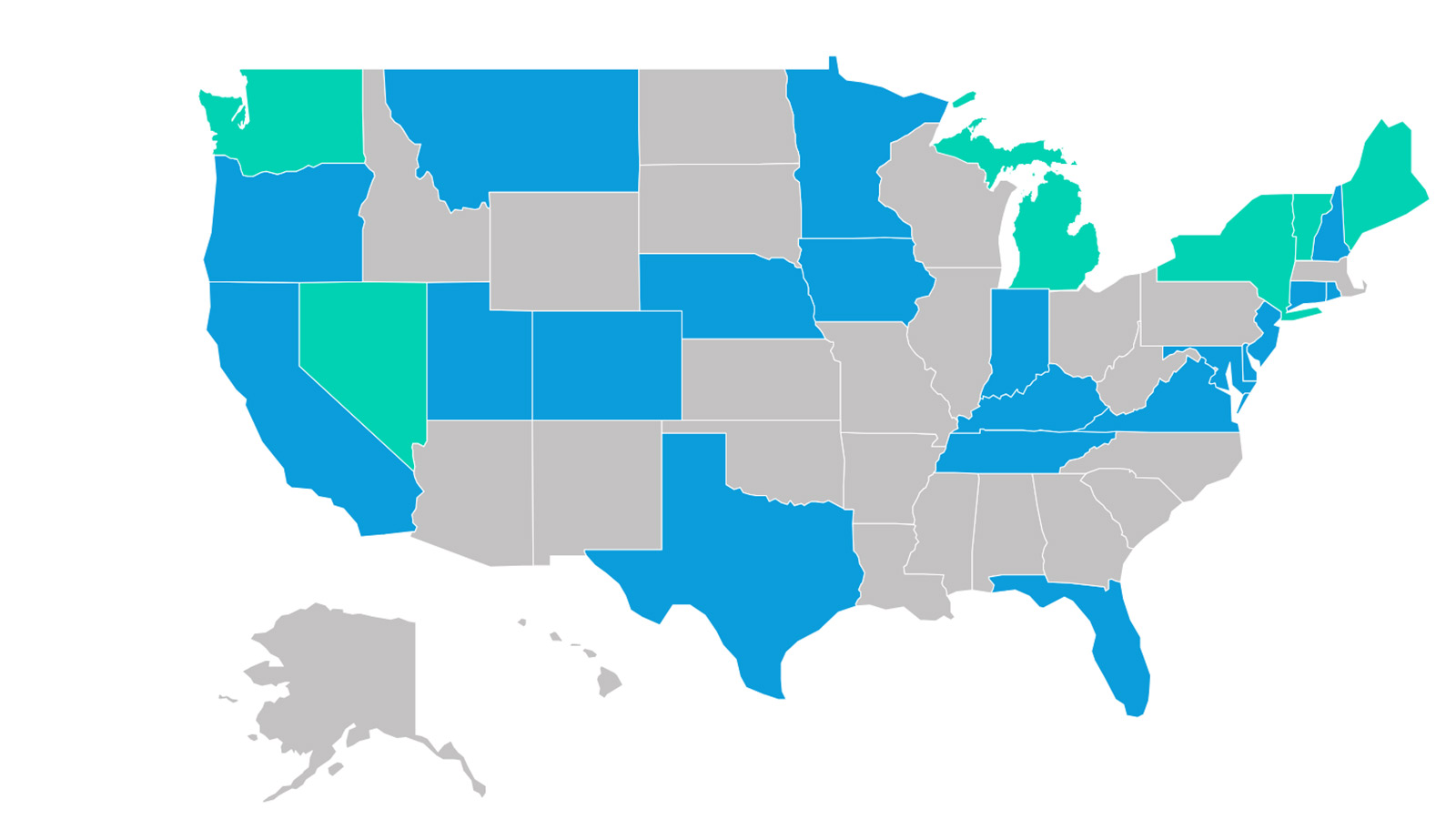
The proliferation of data collection and targeted advertising has not gone unnoticed by lawmakers. In response to growing public concern, several U.S. states have enacted comprehensive privacy legislation, marking a significant shift in how personal data is handled. Among the most prominent of these are the California Consumer Privacy Act (CCPA), the California Privacy Rights Act (CPRA), and the Virginia Consumer Data Protection Act (VCDPA). Collectively, these and similar statutes are often referred to as ‘State Privacy Laws,’ and they represent a crucial step towards granting individuals greater autonomy over their digital footprint.
A core tenet of these laws is the redefinition of what constitutes a ‘sale’ or ‘sharing’ of personal information. In the context of interest-based advertising, the collection and use of user data for these purposes may, under specific state laws, be considered a ‘sale’ of personal information to third parties. This reclassification is pivotal because it triggers new rights for consumers, particularly the ability to opt out of such practices. These laws mandate that companies provide users with a clear and accessible mechanism to exercise this opt-out right, ensuring that individuals can choose whether their data is used for targeted advertising activities.
It’s a recognition that while digital services are often ‘free’ to the user, the underlying currency is often personal data. By giving consumers the power to opt out, these laws aim to rebalance the dynamic between individuals and the corporations that collect their information. This isn’t just about restricting data flow; it’s about fostering transparency and giving individuals an informed choice about the value exchange inherent in many online interactions. The shift is from a passive acceptance of data collection to an active consent or refusal model, putting the user in the driver’s seat of their own digital privacy.
Exercising Your Right to Opt Out: What It Means and What It Doesn’t
For many, the idea of opting out of data sharing is appealing, offering a sense of control in an often-unseen process. Companies subject to these State Privacy Laws are now required to offer a mechanism, often a simple toggle switch or a dedicated link, allowing users to easily exercise this right. This applies to all users, regardless of their state residency, as many publishers, like the one referenced, extend these protections broadly to respect consumer choice.
However, it’s crucial to understand the precise implications of opting out. The act of opting out of the ‘sale’ or ‘sharing’ of personal information for targeted advertising does not mean a complete cessation of all data collection or a complete disappearance of ads. For instance, opting out will not disable all cookies or other technologies essential for the proper functioning of a website. Many cookies are purely functional, ensuring that a website loads correctly, remembers your login preferences, or keeps items in your shopping cart. These are distinct from advertising cookies and remain active to ensure a seamless user experience.
Furthermore, opting out does not mean you will stop seeing interest-based ads entirely, nor will it eliminate all online advertisements. You may still encounter ads that are not based on information considered ‘sold’ or ‘shared’ under State Privacy Laws. This could include ads based on data collected before you opted out, or ads served by third parties operating outside the direct control of the website you are visiting. The digital advertising ecosystem is complex, with numerous players involved, and the opt-out mechanisms primarily target the direct ‘sale’ or ‘sharing’ of your data by the publisher for specific targeting purposes.
The intent behind these laws is not to dismantle the internet’s business model but to introduce a layer of accountability and user choice. It aims to prevent the indiscriminate proliferation of personal data for highly specific, individualized ad targeting, without necessarily blocking all forms of advertising or data collection for operational purposes. It’s a nuanced approach that seeks to balance the commercial needs of online publishers with the privacy expectations of their audience.
Global Privacy Control: A Universal Signal for California Residents
Beyond individual opt-out mechanisms provided by websites, a significant development for privacy advocates and California residents is the Global Privacy Control (GPC). The GPC is a technological signal that users can enable on supported web browsers, acting as a universal opt-out request. When a California resident visits a website with GPC enabled, the website is legally obligated to treat this signal as a valid request to opt out of the sale or sharing of their personal information for targeted advertising purposes.
This innovation represents a leap forward in user convenience. Instead of navigating individual privacy settings on every website, GPC allows users to set their preference once at the browser level, and that preference is then automatically communicated to websites. It streamlines the opt-out process, making it far easier for individuals to assert their privacy rights consistently across the web. For publishers, it means recognizing and respecting this signal as a legitimate expression of consumer choice, integrating it into their data handling practices.
The GPC underscores a broader trend towards more automated and user-friendly privacy tools. As digital interactions become more pervasive, the burden of managing privacy settings on a site-by-site basis becomes increasingly unwieldy. Universal signals like GPC offer a promise of simplified, yet robust, privacy protection, aligning with the spirit of modern data protection laws. It highlights the ongoing evolution of privacy rights, moving from reactive responses to proactive, user-driven controls.
In summary, the digital privacy landscape in 2026 is characterized by a growing awareness and the implementation of robust state-level protections. While online advertising remains a cornerstone of the internet economy, consumers now possess significant rights to control how their personal data is used for targeted advertisements. Understanding these rights, the mechanisms for opting out, and the role of tools like the Global Privacy Control is essential for navigating the complexities of the modern web and asserting one’s digital autonomy.