
Quick Read
- The $26M initiative uses AI to optimize fiber-optic routing, significantly reducing construction-related environmental impact.
- The project prioritizes rural connectivity by integrating predictive maintenance to prevent service outages before they occur.
- The partnership marks a strategic shift toward carbon-conscious infrastructure, aiming to balance digital expansion with sustainability goals.
RALEIGH (Azat TV) – The North Carolina government, in partnership with Openreach and Google Cloud, announced a $26 million investment on March 25, 2026, aimed at fundamentally reshaping how high-speed internet is deployed in rural communities. This initiative represents a strategic shift from traditional hardware-only expansion, integrating generative AI to optimize network routing and minimize the environmental footprint of digital infrastructure.
AI-Optimized Infrastructure Deployment
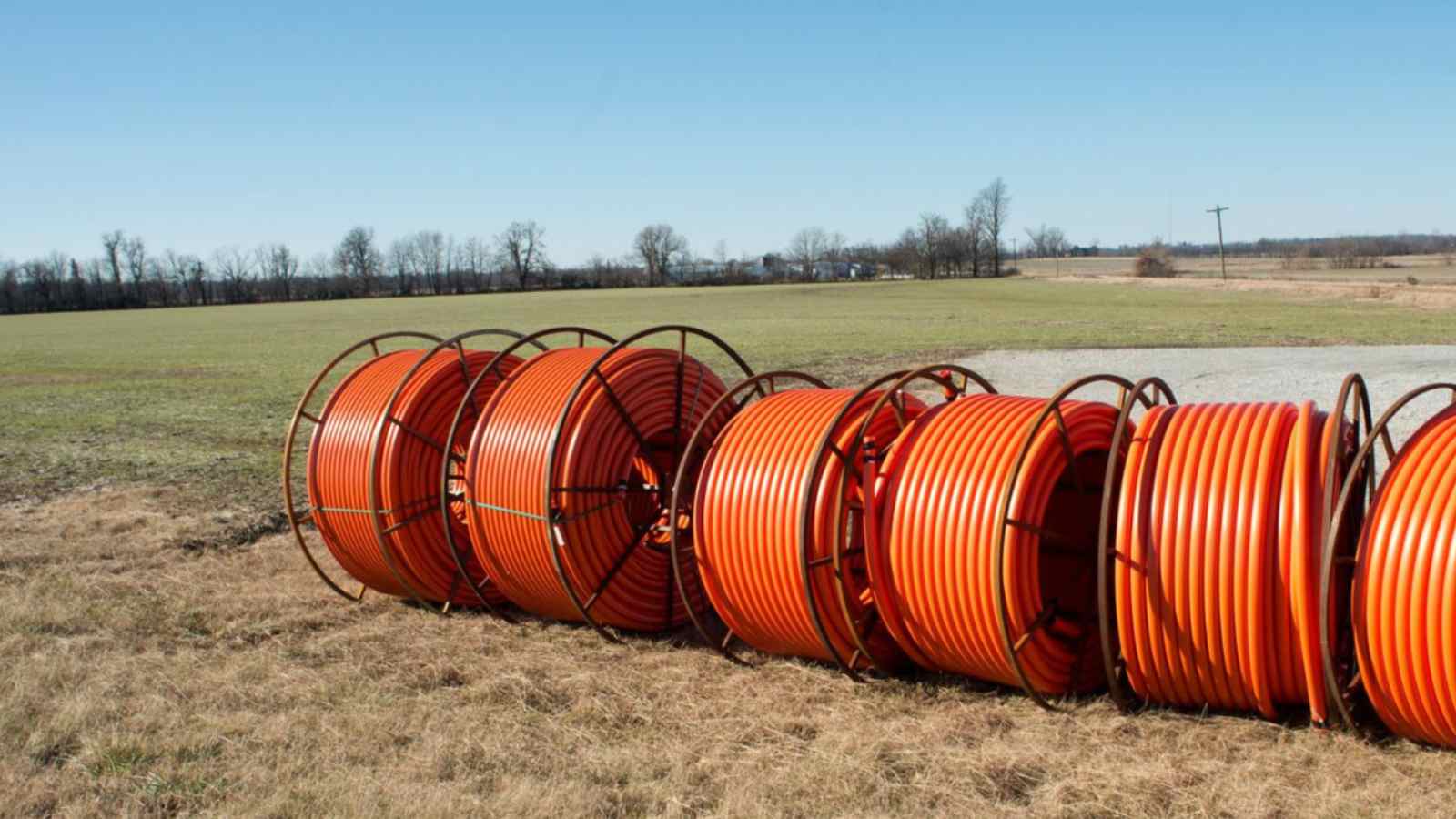
The collaboration leverages Google Cloud’s advanced artificial intelligence capabilities to analyze geographic and environmental data, allowing Openreach to map fiber-optic routes with unprecedented precision. By utilizing machine learning models, engineers can identify the most efficient paths for cable installation, significantly reducing the need for disruptive excavation and lowering the overall carbon impact of the construction phase. This project marks a departure from standard industry practices, where infrastructure growth often outpaces environmental sustainability considerations.
Bridging the Rural Connectivity Gap
For rural North Carolina residents, the stakes extend beyond mere speed. While urban centers often enjoy redundant, high-capacity connections, rural areas have historically faced service instability. This $26 million investment aims to provide robust, future-proof fiber access to thousands of homes and businesses that previously suffered from limited or unreliable connectivity. By integrating AI-driven predictive maintenance, the network is designed to preemptively identify potential service disruptions before they impact end-users, a notable upgrade from the reactive repair models that currently dominate the regional ISP landscape.
The Environmental Cost of Connectivity
As the demand for global data continues to surge, the energy intensity of network infrastructure has become a critical policy concern. The partnership emphasizes a carbon-conscious approach to network architecture, utilizing AI to manage power consumption across the new infrastructure. This strategy serves as a pilot for future state-level projects, aiming to demonstrate that rapid digital expansion does not necessitate a proportional increase in environmental degradation. The efficacy of these AI systems in reducing long-term energy consumption will likely serve as a benchmark for future broadband initiatives nationwide.
While this technological integration offers a promising blueprint for sustainable infrastructure, the ultimate success of the initiative will hinge on whether AI-led optimization can consistently deliver parity between rural network reliability and the high-performance standards established in urban data hubs.